Performance-based assessments are a valuable tool in alternative schooling and education settings as they provide a more comprehensive and authentic way to evaluate students’ knowledge, skills, and abilities. Unlike traditional tests that focus on memorization of facts or concepts, performance-based assessments require students to demonstrate their understanding through real-world applications.
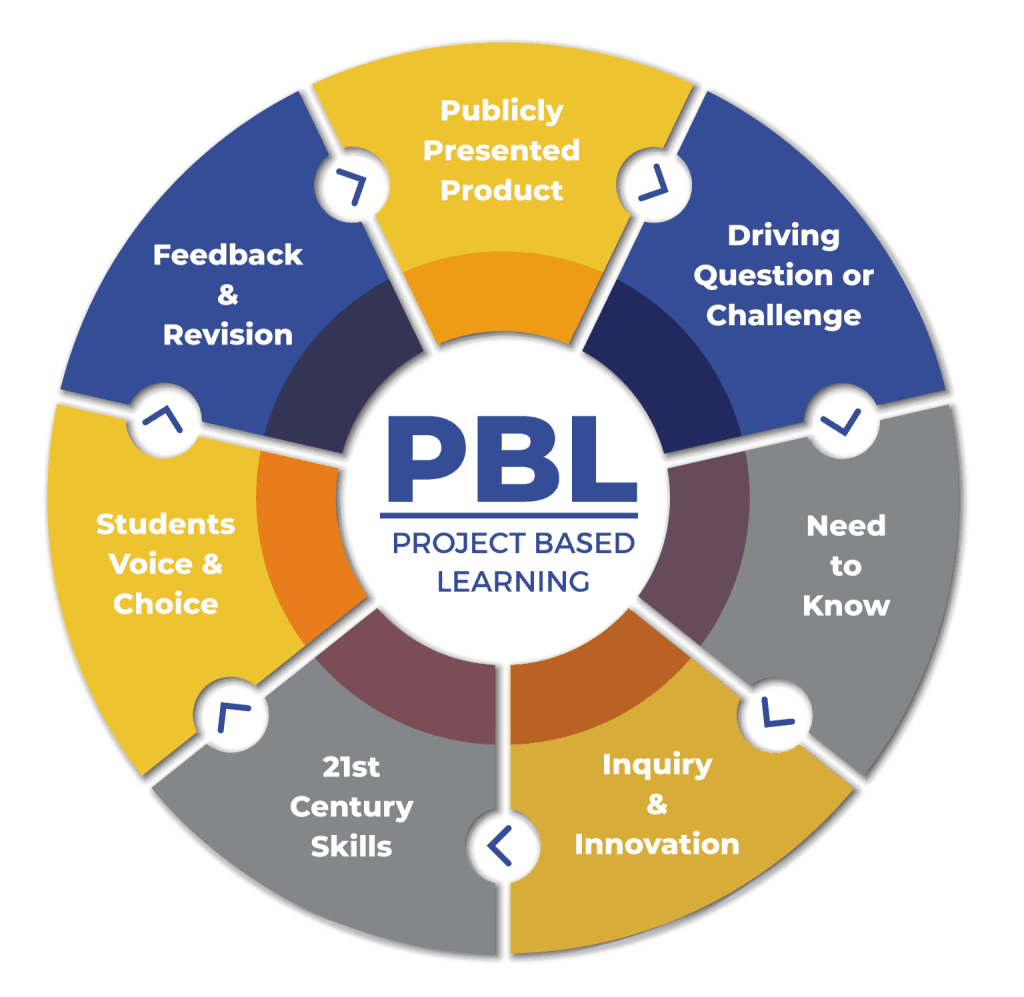
One common type of performance-based assessment is project-based learning. In this approach, students work on an extended project over a period of time, integrating multiple subjects and skills to solve a complex problem or address a real-world issue. This allows students to showcase their ability to think critically, collaborate with peers, and communicate effectively – all essential skills for success in the 21st century.
Another form of performance-based assessment is presentations or demonstrations. Students may be asked to present their research findings, creative projects, or solutions to problems in front of an audience. This not only assesses their knowledge but also their ability to articulate ideas clearly and persuasively.
Performance tasks such as experiments, simulations, skill demonstrations, performances (for music or drama), debates or discussions are also effective ways to measure student learning in alternative education settings. These tasks provide hands-on experiences that allow students to apply what they have learned in meaningful ways.
The key benefits of performance-based assessments include promoting deeper understanding of content by requiring application rather than rote memorization; fostering critical thinking skills as students analyze information and make decisions; encouraging collaboration and communication among peers; assessing a wider range of skills beyond just academic knowledge; providing opportunities for differentiation based on individual strengths and learning styles.
To implement performance-based assessments effectively in alternative schooling environments, teachers should align assessments with curriculum goals and standards while allowing flexibility for creativity and innovation from students. Clear rubrics should be provided so that expectations are transparent and criteria for evaluation are understood by all parties involved.
In conclusion, performance-based assessments offer a more holistic approach to evaluating student learning in alternative schooling settings by focusing on practical application of knowledge and skills. By incorporating these types of assessments into the educational experience, educators can better prepare students for success in both academic pursuits and future careers.
 Alternative Amie
Leave a comment