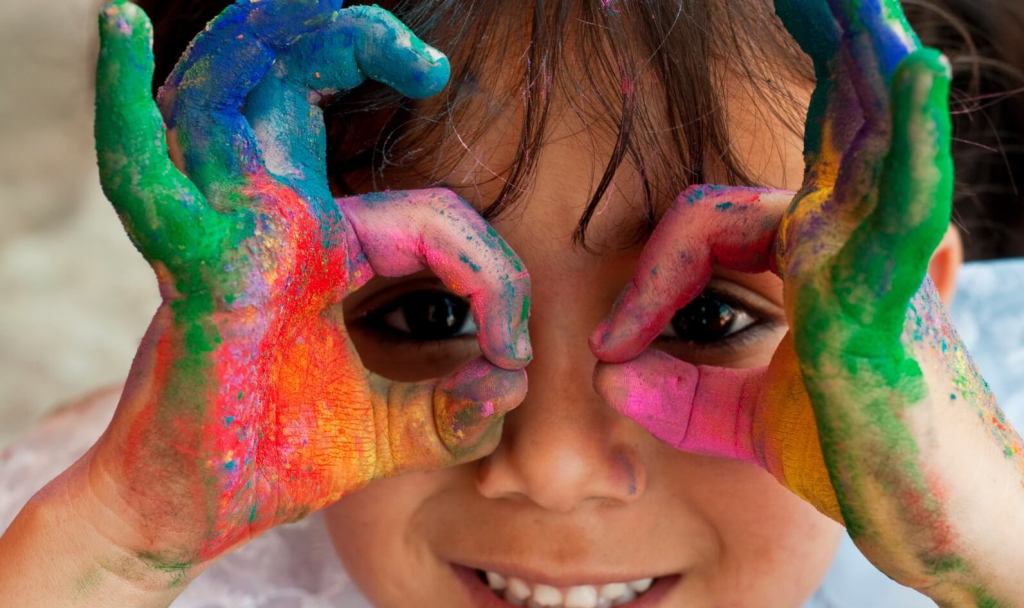
Art-based experiential learning is a dynamic and innovative approach to education that combines artistic expression with hands-on learning experiences. This method goes beyond traditional classroom teaching by actively engaging students in creative activities that promote critical thinking, problem-solving skills, and personal growth.
One of the key principles of art-based experiential learning is the belief that individuals learn best through direct experience. By immersing students in hands-on artistic projects, they are able to explore complex concepts in a tangible way, making connections between theory and practice. This approach not only enhances understanding but also fosters creativity and self-expression.
Through art-based experiential learning, students are encouraged to think outside the box and experiment with different materials, techniques, and ideas. Whether it’s painting, sculpture, dance, music, or theater, each form of artistic expression offers unique opportunities for exploration and discovery. By tapping into their creativity, students can develop new ways of seeing the world and expressing themselves.
In addition to fostering creativity, art-based experiential learning also promotes collaboration and communication skills. Many artistic projects require teamwork and cooperation among students as they work together to bring their ideas to life. Through this collaborative process, students learn how to listen to others’ perspectives, communicate effectively, and resolve conflicts – valuable skills that are essential for success both inside and outside the classroom.
Furthermore, art-based experiential learning provides a platform for personal growth and self-discovery. As students engage in creative activities that challenge them to push past their comfort zones and explore new possibilities, they build confidence in their abilities and develop a sense of agency over their own learning. By reflecting on their artwork and sharing their experiences with others, students gain insights into themselves and cultivate a deeper understanding of who they are as individuals.
Another benefit of art-based experiential learning is its ability to foster emotional intelligence and empathy. Through artistic expression, students can explore complex emotions such as joy, sadness, anger, fear – giving them an outlet for processing feelings in a safe environment. By engaging with diverse perspectives through art-making processes like storytelling or role-playing exercises,
students can develop greater empathy towards others’ experiences – an essential skill for navigating interpersonal relationships
Overall
art-based experiential learning offers a holistic approach to education that nurtures not only academic knowledge but also social-emotional development
creativity
collaboration
communication
and personal growth.
By integrating arts into the educational curriculum
educators have the opportunity to create rich
meaningful learning experiences that empower
students
to become lifelong learners who are curious
creative
and compassionate individuals ready to tackle
the challenges of our rapidly changing world.
Art-based experiential learning may take extra time,
planning,
and resources compared ttraditional methods;
however,
the benefits far outweigh the costs when it comes toequipping studentssuccessfully navigate today’scomplex society.
As we continue texplore new approacheseducation,
it is clear thart-basedexperiantial earning has much offer intimsupporting studentgrowthnall areasftheir lives
 Alternative Amie
Leave a comment