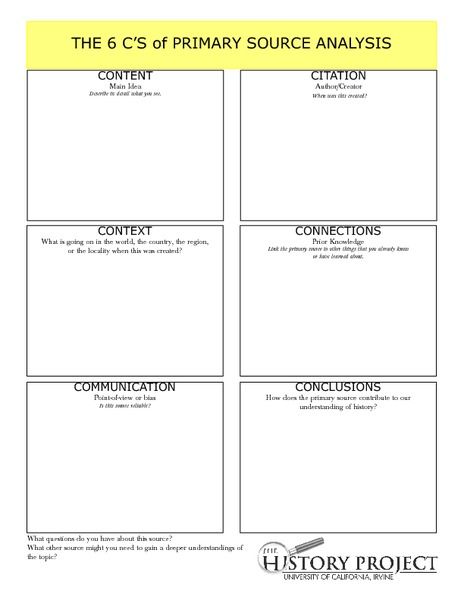
When it comes to researching and understanding historical events, analyzing primary sources is essential. Primary sources are original materials that provide firsthand information about a subject or event. These sources can include documents, letters, diaries, photographs, newspapers, speeches, interviews, and other types of artifacts created during the time period being studied.
Analyzing primary sources allows researchers to gain direct insight into the thoughts, feelings, and experiences of people who lived through specific events. It provides a more authentic perspective compared to secondary sources like textbooks or articles that interpret and analyze information secondhand.
Here are some tips for effectively analyzing primary sources:
1. Contextualize the Source: Before diving into the content of a primary source, it’s crucial to understand the historical context in which it was created. Consider the time period, cultural norms, political climate, and any significant events that may have influenced the author or creator.
2. Evaluate Bias: All primary sources come with a certain degree of bias based on the author’s perspective or agenda. Be mindful of potential biases when interpreting the information presented in the source. Compare multiple primary sources from different viewpoints to get a more well-rounded understanding.
3. Consider Authorship: Investigate who created the source and their background. Understanding factors such as social status, occupation, beliefs, and affiliations can help you better grasp why certain viewpoints are expressed in the source.
4. Analyze Tone and Language: Pay attention to the language used in the source – is it formal or informal? Is there emotional language that reveals attitudes or opinions? Analyzing tone can provide insights into how the author felt about a particular topic.
5. Examine Supporting Evidence: Look for corroborating evidence within other primary sources or secondary materials that support or challenge what is stated in your chosen document.
6. Cross-Reference Information: If possible, cross-reference information found in primary sources with each other to verify facts and gain a more comprehensive understanding of an event or topic.
7. Reflect on Significance: Consider why this particular primary source is relevant to your research question or area of interest. How does it contribute to your overall understanding of a historical event?
By following these steps and approaching primary sources with critical thinking skills and an open mind you can uncover valuable insights into past events while developing important analytical skills that will benefit your research endeavors across various subjects.
 Alternative Amie
Leave a comment