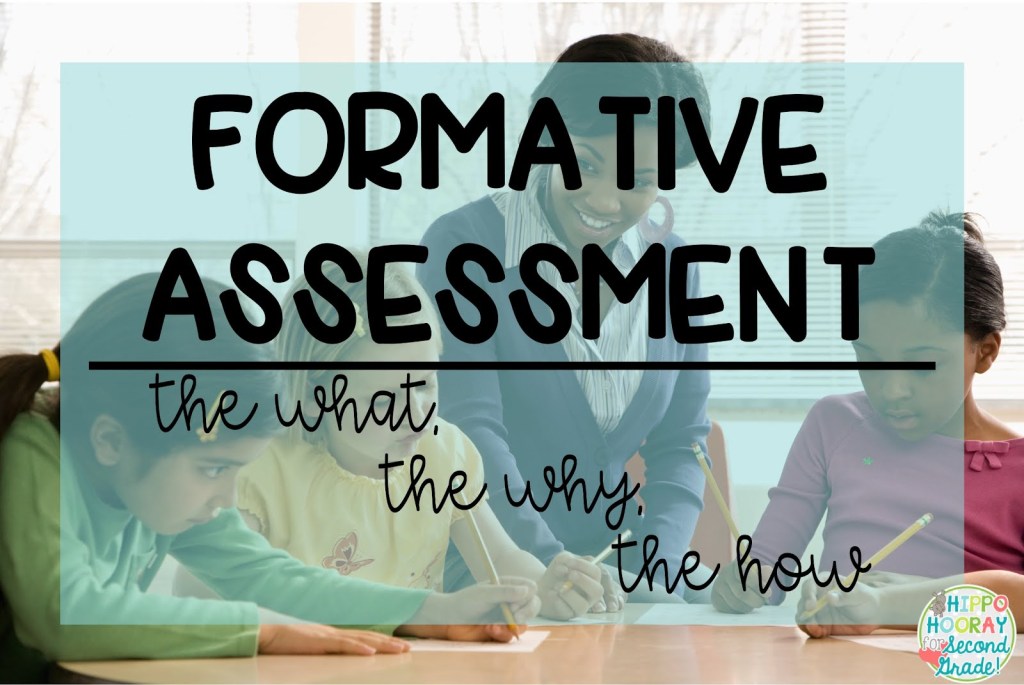
Formative assessment is a powerful tool that can revolutionize the way students learn and teachers instruct. Unlike traditional assessments that focus solely on final outcomes, formative assessment emphasizes the process of learning by providing ongoing feedback to both students and educators. This approach enables teachers to better understand student progress, identify areas for improvement, and adjust instruction accordingly.
One of the key features of formative assessment is its ability to inform teaching in real-time. Instead of waiting until the end of a unit or semester to assess student understanding, formative assessment allows teachers to gauge comprehension throughout the learning process. This continual feedback loop enables educators to intervene early if students are struggling and provide additional support or resources as needed.
Furthermore, formative assessment promotes a growth mindset among students by emphasizing progress over perfection. By focusing on incremental improvements rather than final grades, students are encouraged to view mistakes as opportunities for learning and growth. This mindset shift fosters resilience and perseverance in the face of challenges, ultimately leading to greater academic success.
Another benefit of formative assessment is its ability to personalize instruction for individual learners. By continuously monitoring student performance, teachers can tailor their lessons to meet the diverse needs of their students. For example, if a teacher notices that a group of students is struggling with a particular concept, they can modify their lesson plans or provide targeted interventions to address these gaps in understanding.
In addition, formative assessment encourages active engagement from students by involving them in the assessment process. Rather than passively receiving grades from their teachers, students are encouraged to reflect on their own learning progress and set goals for improvement. This self-assessment component not only empowers students to take ownership of their education but also equips them with valuable metacognitive skills that will serve them well beyond the classroom.
Furthermore, formative assessment promotes collaboration between teachers and students by fostering open communication channels about learning goals and expectations. Through regular feedback sessions and check-ins, educators can build stronger relationships with their students based on mutual respect and trust. This collaborative approach creates a supportive learning environment where all stakeholders work together towards common objectives.
Moreover, formative assessment plays a crucial role in promoting equity in education by ensuring that all students have equal access to high-quality instruction and support. By regularly assessing student progress and adjusting instruction accordingly, teachers can mitigate disparities in achievement levels among different groups of learners. This proactive approach helps level the playing field for marginalized or underserved populations who may face systemic barriers to academic success.
Despite its numerous benefits, implementing effective formative assessment practices requires time, resources, and professional development for educators. Teachers must be trained in how to design meaningful assessments that align with curriculum standards while also providing actionable feedback for student improvement. Additionally,
school administrators must invest in technology tools that facilitate data collection
and analysis so that educators can make informed instructional decisions based on real-time information.
Overall,
formative
assessment holds tremendous potential as an educational strategy
to transform teaching
and learning experiences.
By prioritizing ongoing feedback,
personalized instruction,
student engagement,
collaboration,
equity,
and continuous improvement,
educators can create dynamic classrooms where every student has the opportunity
to thrive.
Through intentional implementation
of
formative assessments,
schools around
the world have witnessed increased academic achievement rates,
improved teacher-student relationships,
and enhanced overall school culture.
It’s clear that when used effectively,
formattive assesment has powerfully positive impacts across all aspects of education – making it an essential tool for alternative schooling
and innovative educational approaches alike.
 Alternative Amie
Leave a comment