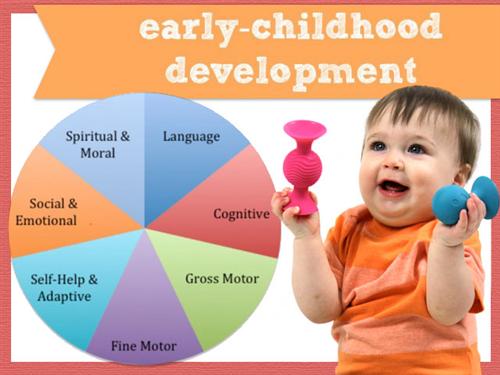
Language development is a crucial aspect of a child’s growth and learning process. The ability to communicate effectively through spoken and written language is essential for academic success, social interaction, and overall cognitive development. In traditional schooling settings, language development is often taught through structured lessons and standardized curriculum. However, alternative schooling approaches offer unique opportunities for fostering language skills in more creative and individualized ways.
One key aspect of language development in alternative education settings is the emphasis on experiential learning. Instead of relying solely on textbooks and worksheets, alternative schools often incorporate hands-on activities, field trips, and real-world experiences to help students make meaningful connections with the language they are learning. For example, students may learn about different cultures by participating in multicultural festivals or practice writing skills by creating their own stories or poems inspired by nature walks.
Another important element of language development in alternative education is the focus on personalized learning plans. In traditional schools, students are typically placed in classes based on age or grade level, which can limit their ability to progress at their own pace. Alternative schools often use flexible grouping strategies that allow students to work at levels that suit their individual needs and abilities. This approach enables students to receive targeted support in areas where they may be struggling while also providing opportunities for advanced learners to explore more challenging material.
Alternative schooling environments also prioritize creativity and self-expression as integral components of language development. Through art projects, music performances, drama productions, and other forms of creative expression, students can explore different ways of communicating their thoughts and feelings beyond traditional written or spoken methods. These opportunities not only enhance language skills but also promote confidence and self-esteem among learners.
Furthermore, alternative education models often emphasize collaboration and community engagement as essential aspects of language development. By working together on group projects, participating in debates or discussions, or engaging with guest speakers from various backgrounds, students can broaden their perspectives and develop critical thinking skills through meaningful interactions with others. These collaborative experiences foster empathy, tolerance, and respect for diverse viewpoints – all crucial elements of effective communication.
In addition to these unique approaches to language development within alternative schooling environments , technology plays an increasingly important role in supporting student learning . Online resources such as educational apps , interactive websites , virtual classrooms ,and video conferencing platforms provide additional avenues for practicing reading,writing,and speaking skills outside the traditional classroom setting . Technology also allows for greater accessibility to diverse linguistic resources , enabling students to engage with different languages,cultures,and perspectives that can enrich their understanding of the world around them .
Overall , Language Development in Alternative Education Settings offers a holistic approach that goes beyond rote memorization or standardized testing . By embracing experiential learning,personalized instruction ,creativity,collaboration,and technological innovation ,alternative schools empower students to become confident communicators who are equipped with the skills needed to succeed academically,socially,and professionally .Ultimately,the goal of Language Development within this context is not just mastery over words,but mastery over one’s ability to connect,receive,and share ideas with others across diverse contexts .
 Alternative Amie
Leave a comment