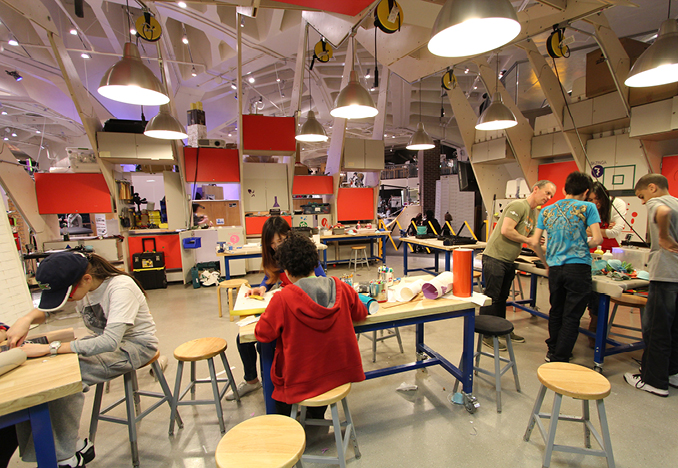
Maker spaces and labs have gained popularity in recent years as innovative learning environments that encourage hands-on, experiential learning. These spaces provide a unique opportunity for students to explore their creativity, develop problem-solving skills, and engage in collaborative projects.
What exactly is a maker space or lab? A maker space is a physical location where students can gather to create, invent, tinker, explore, and discover using a variety of tools and materials. These spaces are often equipped with technology such as 3D printers, laser cutters, electronics kits, woodworking tools, and more. Maker labs are typically found in schools, libraries, community centers, or dedicated facilities.
One of the key principles of maker spaces is the concept of “learning by doing.” Instead of passively receiving information from lectures or textbooks, students actively engage with concepts through hands-on projects. This approach not only helps to deepen understanding but also fosters creativity and critical thinking skills.
In a maker space environment, students have the freedom to pursue their interests and passions. Whether it’s building robots, designing fashion accessories, creating art installations, or coding video games – the possibilities are endless. By allowing students to follow their curiosity and work on projects that excite them personally, maker spaces promote intrinsic motivation and a love for learning.
Collaboration is another fundamental aspect of maker spaces. Students have the opportunity to work together on group projects or seek help from peers with different skills and expertise. This cooperative atmosphere encourages communication skills development while fostering a sense of community within the space.
Furthermore, maker spaces can be incredibly inclusive environments that cater to diverse interests and skill levels. Whether someone is an aspiring engineer or an amateur artist experimenting with new techniques – everyone has something valuable to contribute in a maker space setting.
One significant advantage of maker spaces is their ability to bridge the gap between theory and practice in education. By applying concepts learned in traditional classrooms to real-world problems in a hands-on setting – students gain practical experience that enhances their understanding and retention of knowledge.
Beyond academic benefits like improved STEM (science, technology,
engineering
and mathematics) skills – participation in maker spaces can also lead to personal growth for students. Building resilience through trial-and-error experimentation,
developing perseverance when faced with challenges,
and gaining confidence through successful project completion
are just some examples of character-building opportunities offered by engaging with making activities.
In conclusion
maker
spaces offer an exciting avenue for alternative schooling approaches that prioritize student-centered learning,
creativity,
collaboration,
and practical application.
Whether integrated into existing educational institutions or established as standalone facilities,
maker
spaces provide an invaluable platform for nurturing 21st-century skills essential for success in today’s rapidly changing world.
Overall,
the rise
of
maker
culture reflects a shift towards more interactive
hands-on
and personalized forms
of education
that empower learners
to take ownership
of their learning journey
while cultivating creativity
innovation
and problem-solving abilities crucial for future success.
As educators continue exploring new ways
to enhance student engagement
motivation
Learning experiences
in these dynamic settings hold promise for shaping well-rounded individuals ready
for the challenges ahead.
 Alternative Amie
Leave a comment