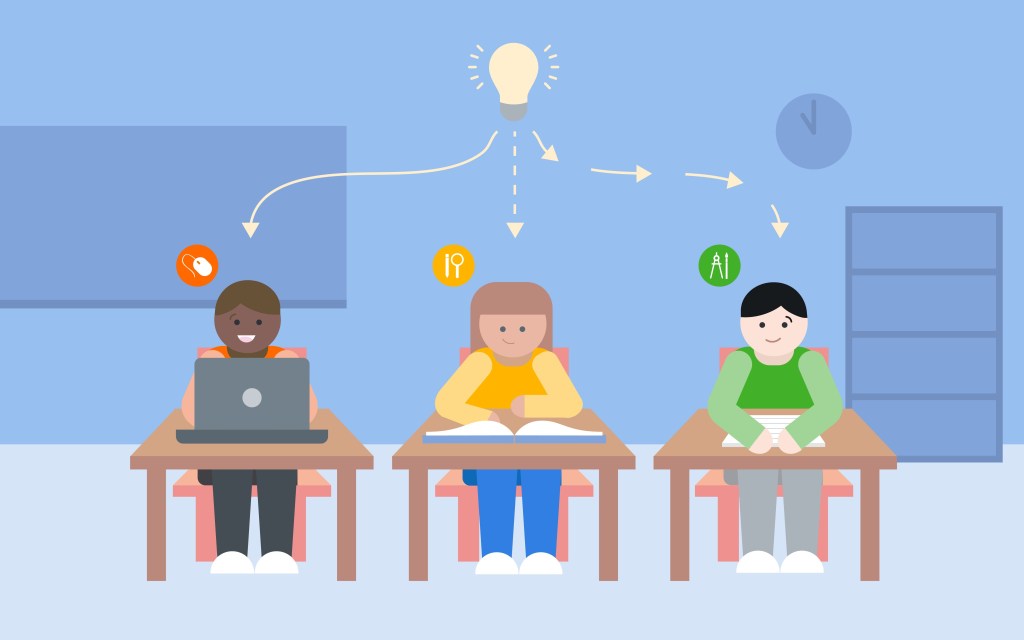
Alternative education is a growing trend that offers innovative and personalized approaches to learning outside of traditional school settings. These alternative schools cater to students who may not thrive in conventional educational environments and provide unique opportunities for growth and development.
One key aspect of alternative education is its focus on individualized learning. Unlike traditional schools, which often follow a one-size-fits-all approach, alternative schools tailor their curriculum to meet the specific needs and interests of each student. This personalized approach allows students to learn at their own pace, explore subjects that interest them, and develop skills that will serve them well in the future.
Another important feature of alternative education is its emphasis on experiential learning. Many alternative schools incorporate hands-on activities, field trips, internships, and other real-world experiences into their curriculum. This practical approach not only helps students understand concepts more deeply but also prepares them for success in the workforce by giving them valuable skills and experience.
In addition to individualized learning and experiential opportunities, alternative education also fosters a strong sense of community and collaboration among students. Many alternative schools are smaller in size than traditional schools, allowing for closer relationships between teachers and students as well as peer-to-peer support networks. This sense of community can help students feel more connected and engaged in their education.
Overall, alternative education offers a refreshing departure from the one-size-fits-all model of traditional schooling. By prioritizing individualized learning, experiential opportunities, and community building, these innovative schools provide a unique environment where students can thrive academically, personally, and professionally.
 Alternative Amie
Leave a comment