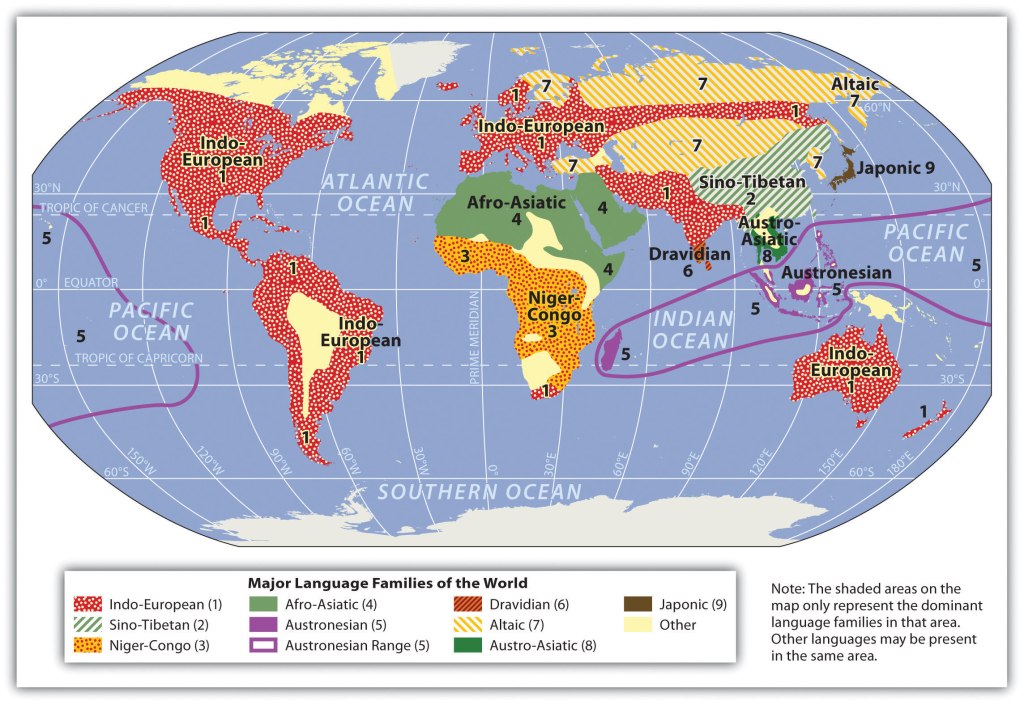
Geography is a fascinating subject that encompasses the study of the Earth’s physical features, climates, populations, cultures, and more. Understanding world geography is essential for gaining a holistic view of our planet and its diverse inhabitants. In this FAQ-style guide, we will delve into various aspects of world geography to provide you with a comprehensive overview.
Q: What is geography?
A: Geography is the study of the Earth’s landscapes, environments, and the relationship between people and their surroundings. It explores both the physical aspects of our planet (such as mountains, rivers, and climate) and human elements (such as cultures, economies, and political systems).
Q: Why is it important to study geography?
A: Studying geography helps us make sense of the world around us by providing insights into how natural processes shape our environment and how human activities impact ecosystems. It also fosters global awareness by highlighting cultural diversity and promoting an understanding of different societies.
Q: What are the main branches of geography?
A: Geography can be broadly divided into two main branches – physical geography and human geography. Physical geography focuses on natural features like landforms, climate patterns, vegetation types, etc., while human geography examines human societies in relation to their environment through topics such as population distribution, urbanization trends, economic development theories.
Q: How does studying world geography benefit students?
A: World geography education equips students with valuable skills such as critical thinking abilities to analyze spatial relationships; intercultural competence to understand global perspectives; environmental awareness for sustainable practices; geographic literacy for informed decision-making in various fields like politics or business.
Q: Can you provide an overview of different regions in terms of geographical characteristics?
A:
– North America: Known for its vast size encompassing various landscapes from rugged mountains (Rockies) to fertile plains (Midwest); rich biodiversity including iconic species like bald eagles & bison.
– South America: Diverse range from Amazon rainforest (world’s largest) to Andes mountains; vibrant cultures with influences from indigenous tribes & European colonizers.
– Europe: Historic landmarks such as Eiffel Tower in France or Colosseum in Italy; temperate climates supporting agriculture & industry.
– Africa: Home to Sahara desert (largest hot desert), diverse wildlife including big five animals (lion + elephant + buffalo + leopard + rhinoceros).
– Asia: Largest continent with Himalayas mountain range hosting Mount Everest; varied climates spanning arctic tundra in Siberia to tropical rainforests in Southeast Asia.
– Australia/Oceania Pacific Islands region known for stunning coral reefs like Great Barrier Reef off Australian coast; unique flora/fauna found only here due isolation factors.
-Antarctica not permanently inhabited but ice-covered continent crucial scientific research on climate change impacts
Q: How do geographers use technology in their work?
A:
Geographers leverage technology tools such as Geographic Information Systems(GIS), remote sensing satellites drones data collection/analysis maps visualizations aid research planning conservation efforts disaster response urban growth monitoring etc.; GPS devices track locations navigation fieldwork excursions cartography digital mapping techniques enhance accuracy efficiency field surveys demographic studies hazard assessments etc.; computer simulations model complex interactions predict future scenarios based historical trends statistical analysis weather forecasting crop yield projections resource management strategies sustainability initiatives across sectors public private academia government collaborations foster innovation advancement within discipline drive meaningful positive changes society global scale
In conclusion studying world Geography provides invaluable insights into both natural phenomena societal dynamics fostering appreciation diversity promoting sustainable practices shaping informed responsible citizens capable navigating challenges opportunities inherent interconnected increasingly complex world today tomorrow
 Alternative Amie
Leave a comment