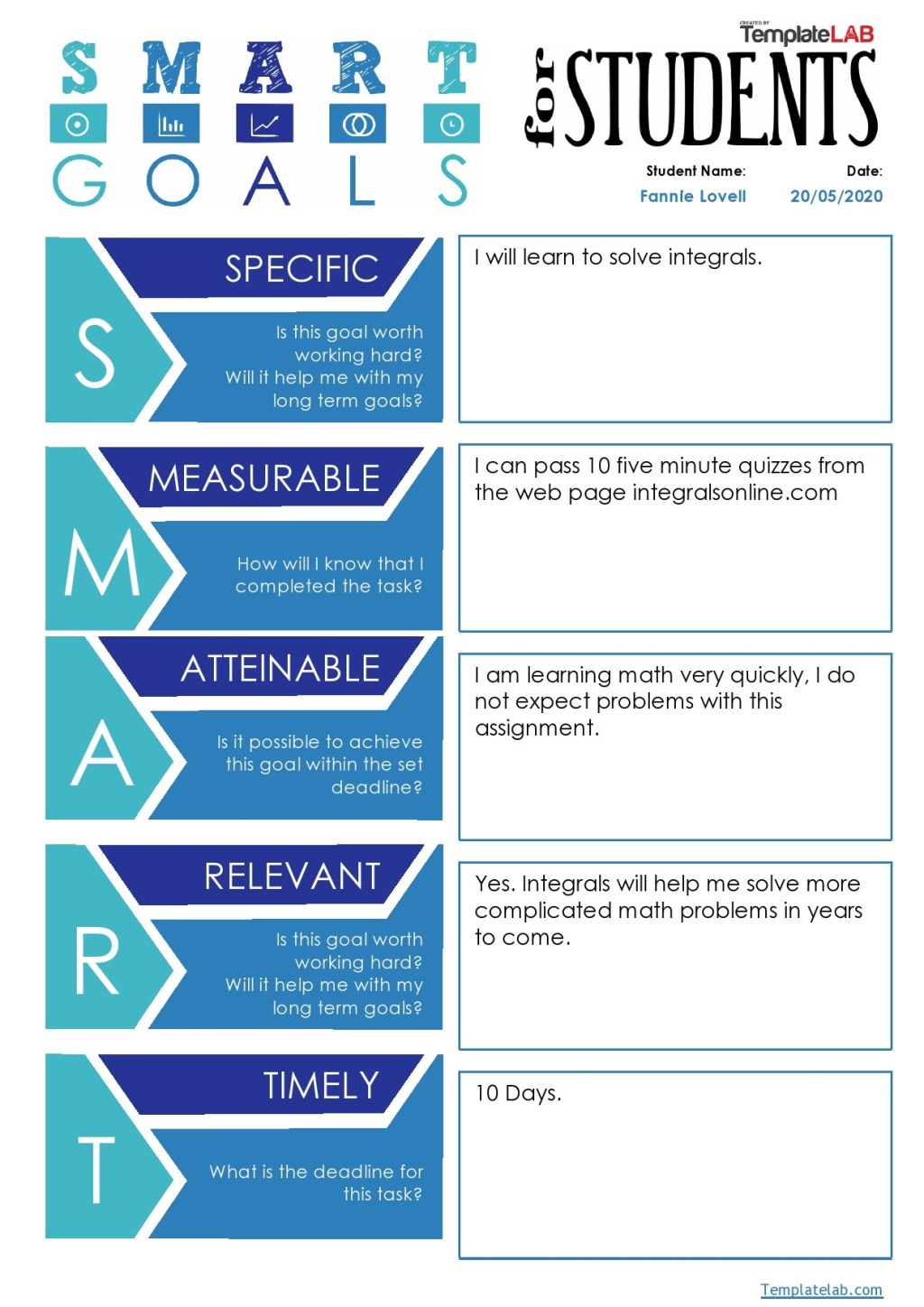
Personalized learning goals are a crucial component of effective education, allowing students to tailor their academic journey to their individual needs and interests. By setting personalized goals, students can take ownership of their learning and track their progress more effectively. This approach ensures that each student receives the support they need to succeed academically and develop important skills for the future.
Assistive technology integration plays a vital role in supporting students with diverse learning needs. By incorporating assistive technology tools into the classroom, educators can provide tailored support to help students access curriculum materials, communicate effectively, and demonstrate their knowledge in ways that work best for them. From text-to-speech software to interactive whiteboards, assistive technology can level the playing field for all learners.
Taking a strength-based approach in education focuses on identifying and building upon students’ strengths rather than solely focusing on weaknesses. By recognizing and nurturing each student’s unique talents and abilities, educators can boost confidence, motivation, and overall academic performance. This approach fosters a positive learning environment where every student feels valued and capable of success.
Transition planning is essential for helping students navigate major life changes such as transitioning from one grade level to another or preparing for post-secondary education or employment opportunities. By creating individualized transition plans that address academic, career, and social-emotional goals, educators can better prepare students for successful transitions while also involving parents and other stakeholders in the process.
Parental involvement is key to supporting student success both inside and outside the classroom. When parents are actively engaged in their child’s education, they can provide valuable insights into their child’s strengths, needs, and preferences. Collaborating with parents allows educators to create more personalized learning experiences that cater to each student’s unique circumstances.
Differentiated instruction acknowledges that students have diverse learning styles, abilities, interests, and backgrounds. By adapting teaching strategies based on individual differences among learners, educators can ensure that all students receive meaningful instruction at an appropriate pace and level of challenge.
Behavioral supports are essential for creating a positive school climate where all students feel safe, respected, and supported. Implementing evidence-based behavioral interventions helps address challenging behaviors while promoting pro-social skills development among students.
Data-driven decision-making involves using assessment data to inform instructional practices and interventions tailored to meet individual student needs effectively. By analyzing data regularly,
Culturally responsive teaching recognizes the cultural backgrounds
Universal Design for Learning (UDL) promotes inclusive educational environments by providing multiple means of representation,
Executive functioning skills development focuses on enhancing
Social-emotional learning strategies aim
Self-regulation techniques help
Individualized accommodationsand modifications ensure
Community partnerships play a vital role in providing additional support services beyond what schools alone can offer.
Career explorationand readiness activities preparestudents
Multi-tiered systems of support(MTSS) providea framework
Goal settingand progress monitoringhelpsstudents
Peer mentoring programsfoster positive relationships
Inclusive practicesthat celebratediversity
 Alternative Amie
Leave a comment