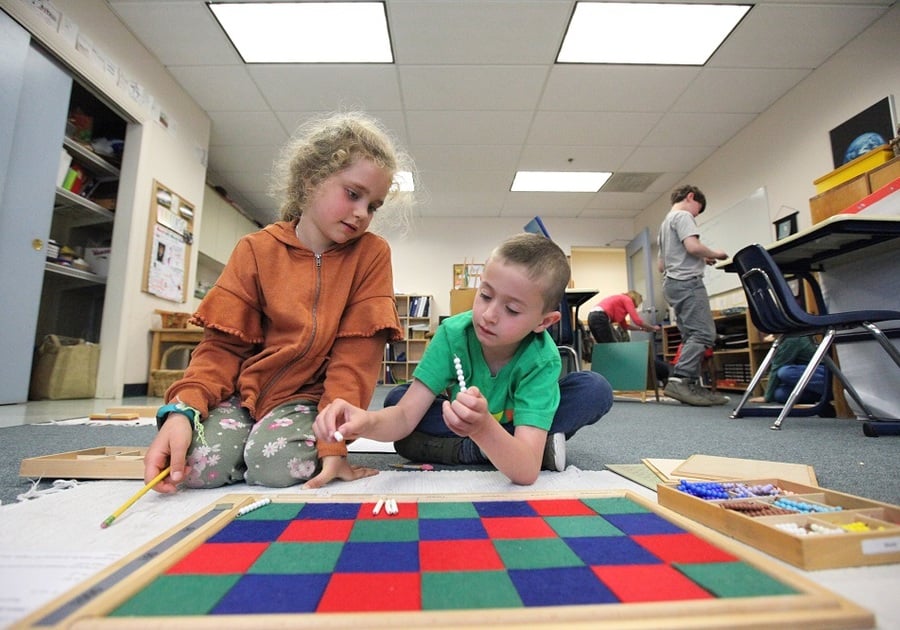
In a world where traditional education systems often fall short in meeting the diverse needs of students, alternative schooling options like multiage classrooms have gained popularity for their ability to create a more inclusive and supportive learning environment. In these settings, children of different ages and grade levels learn together in the same space, fostering collaboration, empathy, and a sense of community among students. To truly harness the benefits of a multiage classroom setting, it is essential to cultivate a positive classroom culture that promotes respect, understanding, and growth for all learners.
One of the key pillars of creating a positive classroom culture in a multiage environment is fostering relationships built on mutual respect and empathy. Teachers play a crucial role in modeling these values by treating each student as an individual with unique strengths and challenges. By encouraging students to listen actively to one another, communicate openly, and work together towards common goals regardless of age differences, educators can lay the foundation for a harmonious learning community.
Furthermore, promoting inclusivity and celebrating diversity are essential components of cultivating a positive classroom culture in a multiage setting. Teachers should embrace differences in background, interests, learning styles, and abilities among their students as valuable assets that enrich the overall learning experience. By incorporating diverse perspectives into lessons and activities, educators can empower students to appreciate each other’s uniqueness while also fostering an atmosphere of acceptance and belonging within the classroom.
Another vital aspect of creating a positive classroom culture in a multiage environment is providing ample opportunities for student agency and voice. Allowing students to take ownership of their learning through choice-based projects, collaborative decision-making processes, and peer-led initiatives can boost engagement levels while nurturing leadership skills and autonomy among learners. Encouraging open communication channels where students feel comfortable sharing their thoughts, concerns, or ideas fosters trust between peers and teachers alike.
Moreover, instilling values such as kindness, empathy, resilience,and growth mindset can significantly contribute to shaping a positive classroom culture within a multiage environment. By teaching social-emotional skills alongside academic content,multiage classrooms provide holistic support for students’ development beyond just cognitive abilities.By explicitly addressing topics like conflict resolution,self-regulation,and emotional intelligence through dedicated lessons or integrated practices throughout daily routines,e ducators can equip learners with essential life skills that will serve them well both insideand outside the school setting.
Additionally,collaboration plays apivotal rolein establishingapositiveclassroomculturewithinamultiagesetting.Teachersshouldencouragepeerlearningandmentoringopp ortunitieswhereolderstudentscanassistyoungerpeerswithacademicskillsorotheraspectsoftheirlearningjourneys.Thisnotonlystrengthensbondsbetweenstudentsacros sagedifferencesbutalsopromotesafeenvironmentforaskingquestionsandexperimentingwithnewideaswithoutthefearofjudgment.Encouragingcollaborativeprojects,pairwork,andgroupactivitieshelpsfosterapositiveteambasedapproachtolearningwhilealsoenhancingcriticalthinkingskillsandproblem-solvingabilitiesamongstuden tsregardlessoftheiragesorg radelevels..
Creatingarich,aestheticenvironmentthatinspirescreativityandinquiryisalsokeytocultivatingapositiveclassroomcultureina multia genvironment.Visualstimulationsthroughwelldesignedspaces,flexibletablearrangements,colorfuldecor,anddisplaysofstudents’workscanallcontributetoanengaginglearni ngatmosphere.Teachersthatincorporateart,music,dance,naturebasedexploration,sensoryexperiences,intotheircurriculumcanchallengestudentstoexploretheirmultipleintelligencesands trengthswhilealsopromotingacreativespaceforself-expressionanddiscovery.
In conclusion,a successfulmulti-ageeducationenvironmentshouldprioritizebuildingapositiveclassroomculturethrougheffectiverelationship-building,inclusivity,st udentagency,resilience,honestcommunication,collaboration,andcreativity.Throughtheadoptionofthesepracticeseducator scancreateasupportivel e arningcommunitywherestudent sareempoweredtoflourish academically,socially,andemotionally.Withcarefulplanning,intentionalinstructionalstrategies ,andaloveforlifelongearning,multi-ageclassrooms have tremendouspotentialtoinspirea newgenerationofs tron g,knowledgeable empatheticindividualsreadytotackletheworld’schallengeshead-on.
 Alternative Amie
Leave a comment