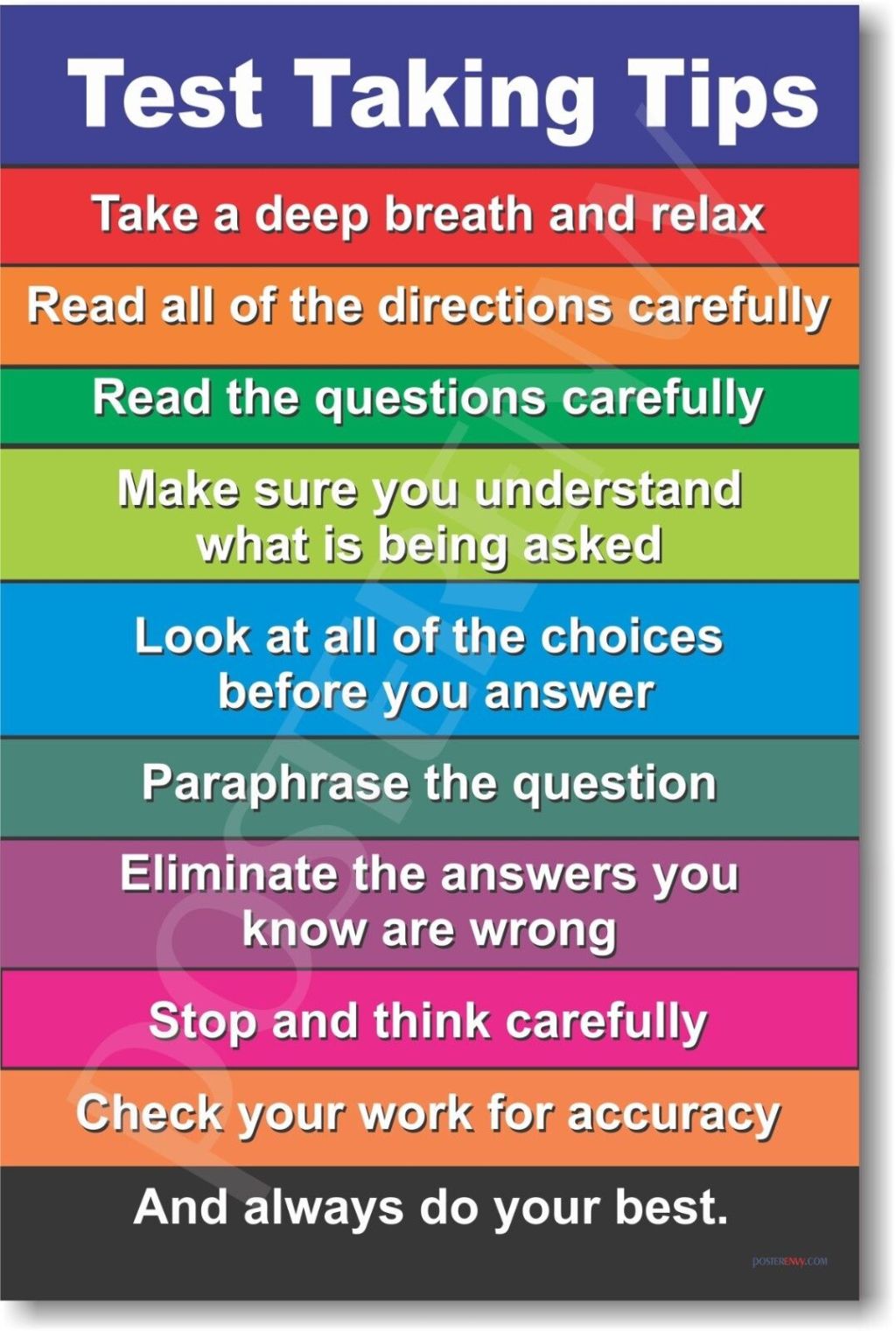
Welcome to our panel discussion about test preparation strategies! Today, we have gathered a group of experts in education and learning to share their insights on how students can effectively prepare for tests. Whether you’re studying for a standardized exam, a final exam, or any other type of assessment, these tips and techniques will help you boost your confidence and achieve success.
Let’s start by introducing our panelists:
1. Dr. Sarah Johnson – Education Psychologist
2. Professor Michael Lee – Test Preparation Specialist
3. Ms. Emily Chen – High School Teacher
Dr. Sarah Johnson: “Understanding the Psychology Behind Test Anxiety”
Test anxiety is a common issue that many students face when preparing for exams. Dr. Sarah Johnson emphasizes the importance of understanding the psychology behind test anxiety and how it can impact performance.
She explains that test anxiety often stems from fear of failure, perfectionism, or lack of confidence in one’s abilities. To combat test anxiety, Dr. Johnson suggests practicing relaxation techniques such as deep breathing exercises or visualization to calm the mind before an exam.
Additionally, she recommends setting realistic goals and expectations for oneself and reframing negative thoughts into positive affirmations. By addressing the root causes of test anxiety and developing coping mechanisms, students can approach exams with a clearer mindset and perform better.
Professor Michael Lee: “Effective Study Techniques for Long-Term Retention”
Professor Michael Lee specializes in effective study techniques that promote long-term retention of information. He highlights the importance of spaced repetition and active recall in enhancing memory consolidation.
Spaced repetition involves reviewing material at increasing intervals over time to strengthen memory retention. Professor Lee advises students to create a study schedule that incorporates regular review sessions leading up to an exam.
Active recall is another powerful study technique where students actively retrieve information from memory instead of simply rereading notes passively. This method engages deeper cognitive processes and improves retrieval strength during testing situations.
In addition to spaced repetition and active recall, Professor Lee recommends using mnemonic devices, concept mapping, and practice quizzes to reinforce learning objectives effectively.
Ms. Emily Chen: “Fostering Collaborative Learning Environments”
As a high school teacher with experience in fostering collaborative learning environments, Ms. Emily Chen emphasizes the benefits of peer-to-peer study groups in enhancing test preparation efforts.
Ms…Emily Chen encourages students to form study groups where they can discuss challenging concepts, quiz each other on key topics, and provide support during stressful periods leading up to exams…This collaborative approach not only reinforces understanding through teaching others but also cultivates a sense of community among peers…
Furthermore,…Chen advises leveraging technology tools such as online forums or virtual study sessions…to facilitate communication…and collaboration outside traditional classroom settings…
By engaging in collaborative learning experiences,…students can gain new perspectives,…enhance their critical thinking skills,…and build confidence through shared knowledge sharing…
In conclusion,…
Preparing for tests requires a combination…
of psychological resilience,…
effective study techniques,…
and collaborative learning strategies…
Finding what works best…
for each individual student may involve…
experimenting with different approaches…
and seeking support from educators,
peers,
or academic resources.
By incorporating these diverse perspectives…
into their test preparation routine,
students can optimize their performance,
reduce stress levels,
and ultimately achieve success on exams.
Thank you…
 Alternative Amie
Leave a comment