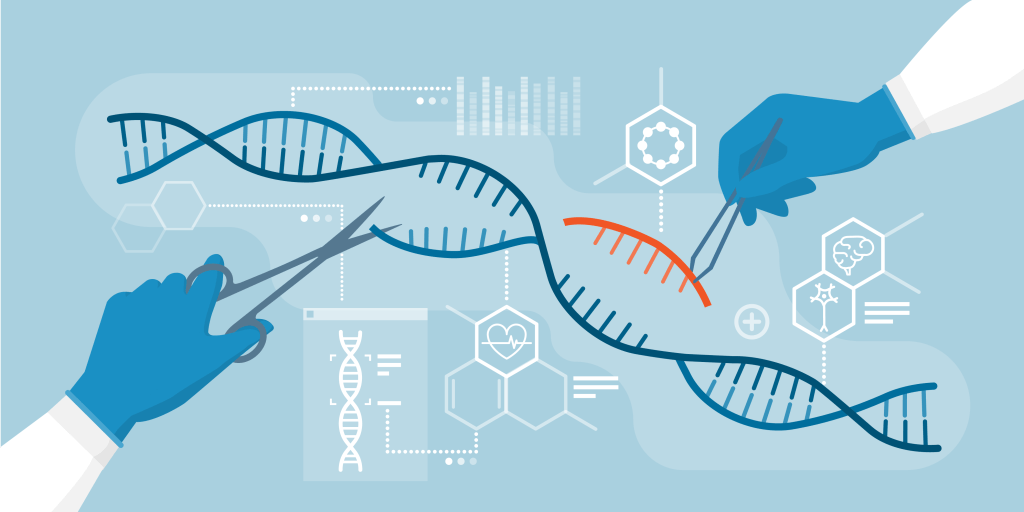
Bioinformatics is an interdisciplinary field that combines biology, computer science, and information technology to analyze and interpret biological data. It plays a crucial role in advancing our understanding of genetics, genomics, proteomics, and other areas of life sciences.
One of the key functions of bioinformatics is in genomics, where researchers use computational tools to sequence and analyze genomes. This has led to significant advances in personalized medicine, as scientists can now identify genetic variations that may predispose individuals to certain diseases or affect their response to treatment. By comparing these genomic sequences across populations, researchers can also gain insights into human evolution and migration patterns.
Another important application of bioinformatics is in drug discovery and development. By analyzing the structure of proteins and identifying potential drug targets, scientists can design new drugs with higher specificity and efficacy. This has accelerated the pace of drug development and enabled the creation of targeted therapies for various diseases.
In addition to genomics and drug discovery, bioinformatics also plays a crucial role in systems biology – studying complex biological systems at a holistic level. By integrating data from multiple sources such as gene expression profiles, protein interactions, and metabolic pathways, researchers can model how different components interact within a cell or organism. This systems-level approach allows for a better understanding of disease mechanisms and the identification of novel therapeutic targets.
Quantum computing is a cutting-edge technology that harnesses the principles of quantum mechanics to perform computations much faster than classical computers. Unlike traditional binary bits which can only be either 0 or 1 at any given time, quantum bits (qubits) can exist in superposition states representing both 0 and 1 simultaneously. This enables quantum computers to explore multiple solutions at once through parallel processing.
One promising application of quantum computing is in cryptography where it could revolutionize data security by enabling ultra-secure encryption methods based on quantum principles like entanglement and superposition. Quantum computers are also expected to have a transformative impact on fields such as materials science for designing new materials with specific properties by simulating their behavior at the quantum level.
Geospatial analysis involves using geographic information system (GIS) technology along with remote sensing data to analyze spatial relationships between objects or phenomena on Earth’s surface. This technique has numerous applications across various disciplines including urban planning, environmental monitoring, disaster management, natural resource management among others.
Computational linguistics is an interdisciplinary field that combines linguistics with computer science aiming at developing algorithms for processing human language text or speech computationally enabling machines “understand” human language naturally e.g., chatbots conversing with users via messaging platforms seamlessly translating languages automatically etc.. Such advancements are essential especially when handling huge volumes…
 Alternative Amie
Leave a comment