Assessment in alternative education settings goes beyond traditional tests and exams, focusing on a more holistic view of students’ abilities and growth. Peer assessment is a valuable tool in this approach, allowing students to provide feedback to their peers based on set criteria. This not only enhances the learning experience but also fosters collaboration and communication skills among students. Self-assessment encourages students to reflect on their own work, identify areas for improvement, and set goals for themselves, promoting autonomy and self-awareness.
Authentic assessment involves real-world tasks that demonstrate practical knowledge and skills. Project-based assessment challenges students to apply what they have learned to solve complex problems or create meaningful projects. This method not only assesses content mastery but also cultivates creativity, critical thinking, and collaboration skills. Performance-based assessment evaluates students’ abilities through demonstrations or presentations rather than written tests, providing a more accurate representation of their capabilities.
Portfolio assessment allows students to compile a collection of their work over time, showcasing their progress and achievements across various subjects or projects. Reflective assessment prompts students to think critically about their learning experiences, strengths, weaknesses, and areas for growth. Formative assessment focuses on providing ongoing feedback throughout the learning process to guide instruction and support student development.
Summative assessment measures overall achievement at the end of a unit or course through tests, projects, or presentations. Rubrics play a crucial role in alternative assessments by outlining clear expectations and criteria for evaluation in non-traditional formats. Alternative ways of assessing creativity may include open-ended projects, creative writing assignments, artistic performances or installations that allow students to express themselves uniquely.
Assessing social-emotional skills in alternative education involves observing interactions between students, teaching empathy through group activities or discussions on emotional intelligence topics like self-awareness or relationship management. Technology tools such as online platforms for creating multimedia presentations can enhance alternative assessments by offering interactive features for showcasing student work creatively.
Assessing critical thinking skills in non-traditional ways may involve problem-solving scenarios where students must analyze information critically before proposing solutions independently or collaboratively with classmates; this promotes higher-order thinking abilities essential for success in today’s complex world. Assessment strategies tailored for project-based learning emphasize teamwork dynamics while evaluating individual contributions within group settings effectively.
Differentiated assessments cater to diverse learners by accommodating different learning styles; these could include audio-visual assignments for visual learners who prefer watching videos over reading texts alone; tactile activities designed specifically with kinesthetic learners’ needs considered carefully during lesson planning stages too! Assessing collaborative work requires careful observation of how well team members communicate effectively while completing tasks together – rubrics help clarify expectations around each member’s responsibilities within groups engaged collectively towards shared goals!
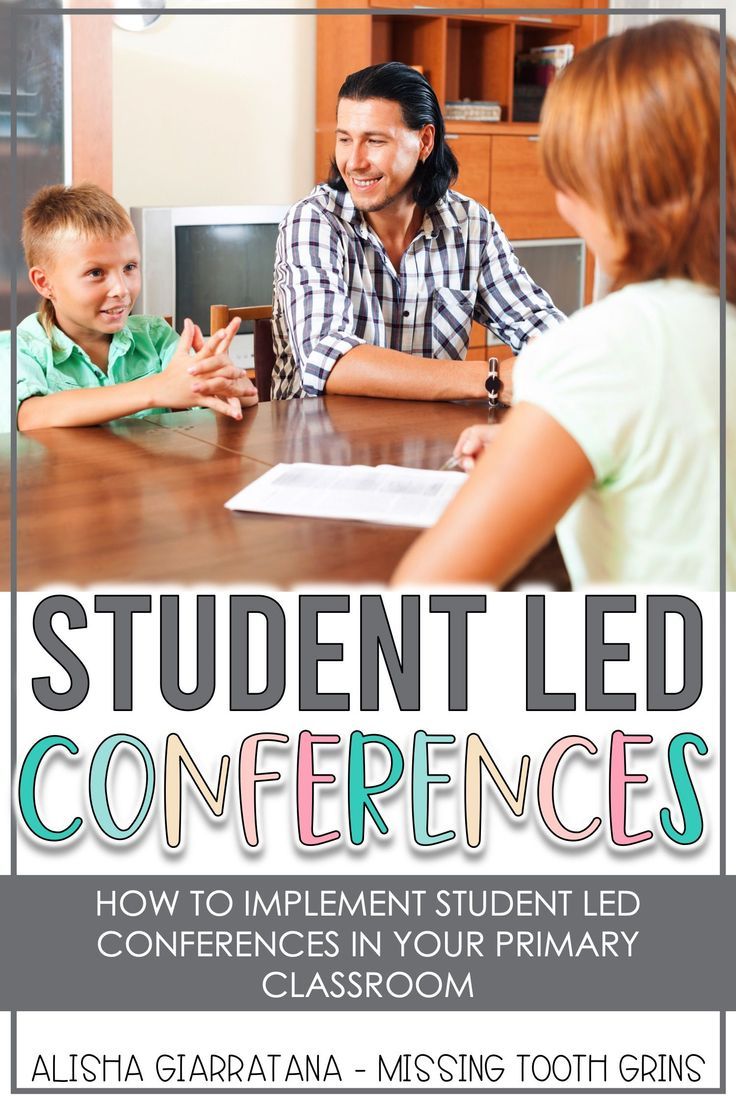
Using student-led conferences as an assessment tool empowers learners further by encouraging them actively participate milestones reached along educational journeys thus far; this fosters ownership over one’s academic progress personal development paths pursued ardently despite obstacles faced head-on consistently every day since embarking upon said journey initially years ago now finally coming full circle having gained invaluable insights from those experiences shared publicly amongst peers teachers alike!
Alternative methods assessing problem-solving skills might revolve around scenario-based questions requiring application theoretical knowledge practical contexts typical real-life situations encountered daily basis outside classroom walls empowering individuals discover innovative solutions unique challenges faced globally today tomorrow together united front against adversities unforeseen yet inevitable given unpredictable nature world we inhabit presently attempts solving issues plaguing society remains constant priority all educators professionals dedicated making positive impact lives others worldwide fostering sustainable change lasting legacy generations come long after we’ve left behind legacies worth remembering fondly always forevermore onwards indefinitely eternally optimistic possibilities abound endless opportunities await eagerly anticipated future ahead awaits us!
 Alternative Amie
Leave a comment