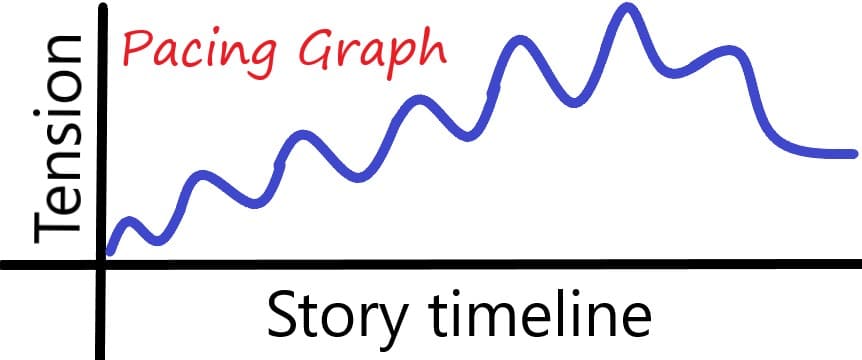
Story pacing is a crucial element in writing that can greatly impact the overall effectiveness of a narrative. Whether you are crafting a fictional story or recounting real-life events, the way you pace your story can make all the difference in engaging your readers and keeping them invested from start to finish.
At its core, pacing refers to how fast or slow the events in your story unfold. A well-paced story strikes a balance between moments of tension and release, building suspense and maintaining reader interest throughout. One common mistake writers make is rushing through important scenes or dragging out insignificant details, resulting in an uneven flow that can leave readers feeling disconnected.
To effectively pace your story, it’s essential to understand the key components that contribute to its overall rhythm. These include dialogue, description, action sequences, internal thoughts and emotions of characters, and transitions between scenes. By carefully balancing these elements and strategically placing them throughout your narrative, you can create a dynamic ebb and flow that keeps readers eagerly turning pages.
One technique for achieving effective pacing is using varying sentence lengths and structures. Shorter sentences convey urgency and quicken the pace of a scene, while longer sentences can slow things down and allow for deeper reflection or description. By alternating between these different sentence styles based on the tone and mood you want to evoke, you can guide readers through various emotional highs and lows within your story.
Another important aspect of pacing is knowing when to speed up or slow down the action. Action-packed sequences may benefit from shorter paragraphs and punchy language to create a sense of immediacy and excitement. On the other hand, quieter moments of introspection or character development may require more space on the page to delve into emotions and motivations.
Transitions play a significant role in maintaining smooth pacing as well. Seamless transitions between scenes help propel the story forward without jarring interruptions or awkward leaps in time or location. By using transitional phrases or imagery that connect one scene to the next, you can ensure continuity while keeping readers engaged in the unfolding narrative.
In addition to technical aspects like sentence structure and transitions, understanding your characters’ arcs is fundamental to pacing effectively. Each character should undergo growth or change throughout the story, with their journeys unfolding at a pace that feels organic yet compelling for readers. By revealing new layers of complexity in your characters gradually over time, you can sustain reader interest while deepening their investment in the outcome.
Finally, revising for pacing is an essential step in honing your storytelling skills. After completing a draft of your manuscript, take time to review each scene critically: Does it serve a purpose? Is there enough conflict or tension driving it forward? Are there opportunities for tightening dialogue or enhancing descriptive language? By asking yourself these questions during revisions, you can fine-tune your pacing for maximum impact on readers.
In conclusion,
mastering story pacing requires careful attention to detail
and deliberate choices about how information unfolds within
your narrative.
By incorporating varied sentence structures,
balancing action with reflection,
crafting seamless transitions,
developing nuanced character arcs,
and revising diligently,
you can elevate
your storytelling prowess
and create narratives
that captivate audiences from beginning
to end.
Remember:
Pacing isn’t just about speed;
it’s about creating
a rhythmic journey
that resonates
with readers long after they’ve finished
the final page.
Whether writing fiction,
memoir,
or any form
of creative nonfiction,
prioritizing thoughtful
pacing will set
your work apart
and leave lasting impressions on those who experience it.
 Alternative Amie
Leave a comment