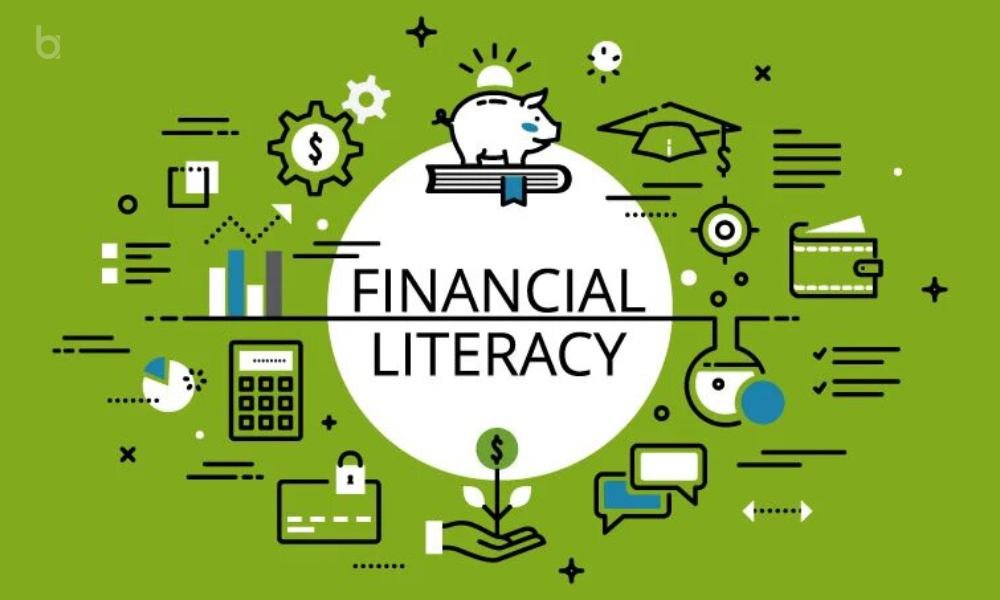
As students navigate through their educational journey, it is crucial to equip them with the necessary financial knowledge and skills to set a strong foundation for their future. Financial literacy is a vital component of education that often gets overlooked but plays a significant role in shaping individuals’ financial well-being.
Budgeting for Students:
Budgeting is an essential skill that every student should learn early on. It involves creating a plan for how to spend money wisely based on income and expenses. By teaching students how to budget effectively, they can develop good money management habits that will serve them well throughout their lives. Budgeting helps students prioritize their spending, avoid debt, and work towards achieving their financial goals.
Financial Literacy Curriculum:
Integrating financial literacy into the school curriculum can provide students with a solid understanding of key financial concepts such as budgeting, saving, investing, credit scores, and more. A comprehensive financial literacy curriculum equips students with practical skills that are essential for navigating the complex world of personal finance.
Teaching Kids About Saving Money:
Instilling the value of saving money in children from a young age lays the groundwork for responsible financial behavior later in life. Teaching kids about saving money through interactive activities and real-life examples can help them understand the importance of building savings for emergencies or future goals.
Understanding Credit Scores:
Credit scores play a crucial role in determining an individual’s access to credit and overall financial health. Educating students about how credit scores are calculated, why they matter, and how to maintain a good credit score can empower them to make informed decisions when it comes to borrowing money or applying for loans.
Student Loans and Financial Aid:
Navigating student loans and financial aid can be overwhelming for many students. Providing guidance on different types of student loans, repayment options, scholarship opportunities, and other forms of financial aid can help students make informed choices about funding their education without getting buried in debt.
Investing Basics for Teenagers:
Introducing teenagers to basic investment concepts such as stocks, bonds, mutual funds, and diversification can open up opportunities for wealth-building over time. Teaching teenagers about investing instills a sense of long-term financial planning and encourages them to start building wealth early on.
Entrepreneurship Education:
Encouraging entrepreneurship education among students fosters creativity, innovation, critical thinking skills, and an entrepreneurial mindset. Teaching students about starting businesses, managing finances as an entrepreneur,
and taking calculated risks empowers them to explore alternative career paths beyond traditional employment.
Money Management Skills for Young Adults:
Young adults face unique challenges when it comes to managing finances independently. Equipping them with practical money management skills such as budgeting,
saving strategies,
debt management,
and smart spending habits prepares them
for the responsibilities
of adulthood
and helps prevent common pitfalls like overspending or living paycheck-to-paycheck.
Financial Goal Setting
for Students: Setting clear
financial goals gives
students direction
and motivation
to manage their finances responsibly.
Whether it’s saving
for college tuition,
buying a car,
or starting an emergency fund,
teaching
students how
to set achievable
financial goals empowers
them
to take control
of their future
Teaching About Taxes in School:
Taxes are inevitable,
yet many young adults lack basic knowledge about tax laws,
filing requirements,
and deductions.
Incorporating tax education into school curricula provides valuable insight into how taxes impact personal finances.
Careers in Finance
Accounting:
Exposing
students
to careers
in finance
accounting
opens doors
to lucrative job opportunities
in these fields.
Personal Finance Workshops
Students:
Hosting workshops
on personal finance topics like budgeting,
investments,
credit management,
savings strategies,
and retirement planning offers hands-on learning experiences
that reinforce classroom teachings.
Building Budget App Students:
Develop
a budget app specifically tailored
for student needs;
helps track expenses,
set savings goals,
monitor cash flow
promotes healthy
money habits.
Financial Responsibility College Life:
Navigating
finances college life presents unique challenges;
balancing tuition costs,
living expenses,
social activities
learning
manage money responsibly sets foundation
long-term fiscal health.
Impact Student Debt Future Finances:
The burden
student loan debt has far-reaching implications;
delayed homeownership,
postponed retirement savings,
limited career choices;
highlight importance avoiding excessive borrowing
exploring alternative ways fund higher education.
Teaching Insurance Risk Management:
Understanding insurance coverage risk mitigation strategies essential part
comprehensive
financial literacy education.
Real-World Financial Simulations Students:
Engaging real-world simulations expose
students various scenarios manage budgets,
make investment decisions,
navigate unexpected expenses;
practical application theoretical knowledge enhance understanding complex monetary concepts.
Stock Market:
Exploring stock market introduces
students principles investing
equity markets;
understanding stock indices,
diversification strategies,
risk tolerance levels enhances ability make informed investment decisions.
Importance Emergency Funds:
Emphasizing need emergency funds prepare unexpected events like medical emergencies,
job loss,
car repairs;
having safety net place ensures individuals avoid falling deep
debt during challenging times.
Teaching Retirement Planning:
Planning retirement critical aspect long-term financial wellness; educating young people benefits compounding interest time horizon factors affecting retirement savings;
empower better prepare financially post-career years.
Alternative Investments:
Introducing various types investments beyond traditional stocks bonds exposes individuals diversified portfolio options;
real estate crowdfunding,
peer-to-peer lending platforms,
cryptocurrency investments offer new avenues growth potential;
educate risks rewards associated each investment type support informed decision-making.
In conclusion focusing on imparting robust finacial litracy programs schools colleges equips next generation sound underatndng managng mney effctvely navigtng complex finacial landcape setting stage secure futuressuccessful lifetime ahead
 Alternative Amie
Leave a comment