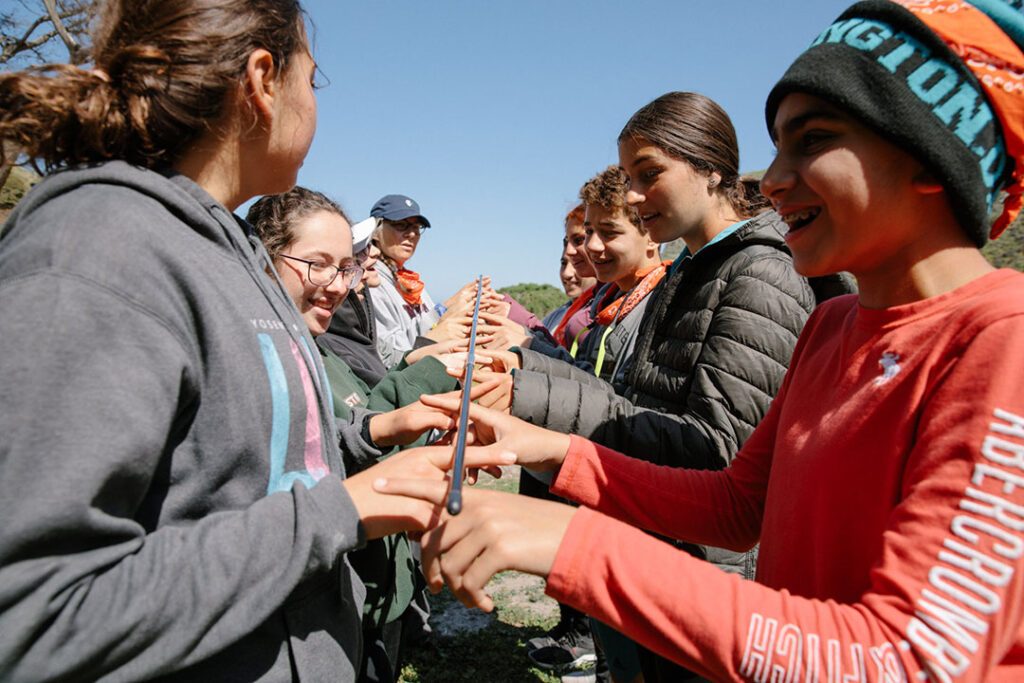
Outdoor Education Programs:
Outdoor education programs are a valuable way for small schools to provide hands-on learning experiences for students. These programs often take students out of the traditional classroom setting and into nature, where they can learn about the environment, teamwork, leadership, and problem-solving skills. Outdoor education programs may include activities such as hiking, camping, rock climbing, canoeing, and more.
Project-Based Learning in Small Schools:
Project-based learning is an effective teaching method that allows students to explore real-world problems and challenges through hands-on projects. In small schools, project-based learning can be particularly impactful because it encourages collaboration among students of different ages and backgrounds. By working on projects together, students learn valuable skills such as critical thinking, communication, creativity, and time management.
Small School Community Partnerships:
Building partnerships with the local community is essential for small schools to thrive. Community partnerships can provide resources, support, and opportunities for students to engage in meaningful learning experiences outside of the classroom. Whether through internships, mentorship programs, or service learning projects, community partnerships help connect students with real-world applications of their education.
Student-Led Initiatives and Decision-Making:
Empowering students to take on leadership roles in decision-making processes fosters a sense of ownership and responsibility within the school community. Small schools can benefit from student-led initiatives by allowing them to have a voice in shaping school policies, organizing events or clubs they are passionate about or even participating in budget decisions alongside staff members.
Integrating Technology in Small School Classrooms:
Technology plays a crucial role in modern education by enhancing learning opportunities and preparing students for future careers. In small schools where resources may be limited compared to larger institutions integrating technology effectively becomes even more important. From interactive whiteboards to online research tools or coding classes using tablets – technology integration can level the playing field for small school classrooms.
Restorative Justice Practices in Small Schools:
Restorative justice practices focus on repairing harm caused by conflicts rather than simply doling out punishment which aligns well with tight-knit communities found within small schools This approach emphasizes dialogue between parties involved promotes accountability understanding among individuals involved Restorative justice practices foster a sense trust respect within school creating safer more supportive environment all members
Multicultural Education in Small Schools:
Diversity is an integral part of society thus embracing multicultural education essential every educational setting including small schools Multicultural education helps expose students various cultures perspectives promoting empathy tolerance understanding among peers It also prepares them navigate globalized world respect differences appreciate similarities others around
Environmental Sustainability Initiatives in Small Schools:
Teaching environmental sustainability concepts early age crucial addressing pressing issues climate change resource depletion pollution Involving small school initiatives like recycling composting energy conservation gardening not educates but also instills values stewardship responsibility towards planet Educating younger generations importance sustainability ensures they become conscious citizens who actively work preserve protect our natural resources future generations
Arts Creativity Curriculum
Art creativity play vital role holistic development child integrating arts curriculum provides opportunity self-expression exploration imagination Arts classes allow students express themselves creatively develop problem-solving skills nurtures innovation critical thinking abilities Students exposed arts young age likely excel academic endeavors well-rounded individuals adulthood
Social-Emotional Learning
Social-emotional learning SEL teaches emotional intelligence empathy relationship-building crucial life skills SEL encompasses self-awareness self-management social awareness responsible decision-making integrates seamlessly academic curriculum helping create positive inclusive supportive environments within small schools
Experiential Learning Opportunities
Experiential learning takes place beyond confines classroom engaging hands-on experiences practical application knowledge Experiences like field trips internships simulations experiments encourage active participation critical thinking retention information Experiential opportunities enrich traditional academics providing depth breadth understanding subjects
Career Technical Education Programs
Career technical education CTE programs offer practical skills training prepare students successful careers variety industries fields CTE courses integrate academic knowledge hands-on experience giving learners chance apply theoretical concepts real-world settings These programs invaluable providing pathways post-secondary success fulfilling workforce needs local communities
Community Service Projects Within School Settings
Community service projects teach children importance giving back caring others fostering sense civic engagement compassion Community service instills values altruism responsibility creates strong bond between school surrounding community Through these projects children learn cooperation teamwork leadership while making positive impact those need
Mental Health Support Services for Students
Mental health support services essential ensuring overall wellbeing success student population Providing counseling mental health resources within small school setting creates safe nurturing environment facilitates emotional growth resilience Mental health services promote awareness destigmatization mental illness offering support guidance when needed most
Inclusive Practices Diverse Learners
Inclusive practices help create welcoming accepting environments diverse learners feel valued respected Teachers employ differentiation strategies accommodate individual needs abilities ensuring access quality education all Inclusivity fosters culture belonging diversity acceptance promotes equity excellence achievement every student regardless background
Parent Involvement Engagement Strategies
Parent involvement key factor student success implementing effective engagement strategies crucial building strong home-school partnership Encouraging parents participate volunteer attend events communicate regularly teachers administrators strengthens connection home educational institution positively impacting outcomes children’s academic social emotional development Peer Mentoring Programs Peer mentoring connects older experienced youth younger peers offering guidance encouragement support Mentorship relationships boost mentee’s confidence motivation leading improved performance increased engagement overall personal growth development Health Wellness Initiatives Students Staff Promoting health wellness vital aspect educational experience implementing initiatives ensure physical mental wellbeing both faculty Creating healthy environment supports productivity holistic approaches including exercise nutrition mindfulness practices contribute positive outcomes Alternative Assessment Methods Utilizing alternative assessment methods traditional testing enhances evaluation process capturing diverse range student strengths weaknesses Performance tasks portfolios presentations peer assessments self-reflection exercises offer comprehensive picture individual progress inform instructional decisions Conflict Resolution Strategies Tight-Knit Communities Conflict resolution strategies imperative maintaining harmonious relationships tight-knit communities Employing methods mediation negotiation restorative justice help address conflicts constructively respectfully fostering peaceful coexistence mutual understanding Effective conflict resolution models teach valuable lessons communication compromise empathy contributing thriving cohesive community dynamic conducive optimal learning growing Together these elements contribute vibrant supportive ecosystem benefits everyone involved Conclusion As we have explored various aspects alternative schooling focusing on unique characteristics challenges faced by smaller educational institutions it evident that though may lack some resources size they possess great potential flexibility adaptability fostering holistic growth development among their student populations By prioritizing outdoor experiential social-emotional career-focused inclusive innovative approaches educators administrators create enriching empowering educational environments set up success now into future
 Alternative Amie
Leave a comment