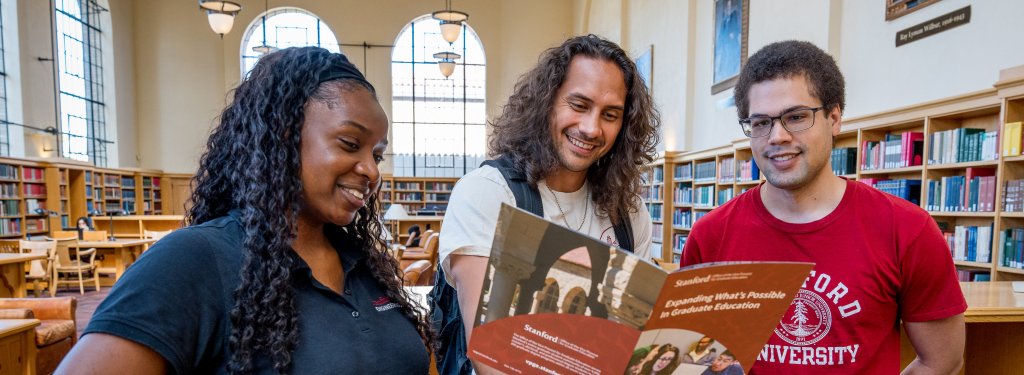
Alternative schooling and education have been gaining popularity in recent years as more students seek out unconventional ways to learn and grow. One of the most exciting aspects of alternative education is the emphasis on student-led initiatives, where learners take charge of their own education and create meaningful projects that benefit themselves and their communities. In this article, we will explore some inspiring examples of student-led initiatives from around the world that are making a positive impact.
1. **Student-Run Clubs**: Many alternative schools encourage students to start their own clubs based on their interests and passions. These clubs can cover a wide range of topics, from environmental sustainability to social justice issues. For example, at a progressive high school in California, students started a club focused on promoting mental health awareness among their peers. They organized events such as workshops on stress management techniques and mindfulness practices, as well as fundraisers for local mental health organizations.
2. **Community Service Projects**: Student-led community service projects are another common initiative in alternative education settings. Students often identify needs within their communities and devise creative solutions to address them. In New Zealand, a group of high school students launched a project to clean up local beaches that were polluted with plastic waste. They organized beach clean-up events, created educational materials about the importance of ocean conservation, and even collaborated with local businesses to reduce plastic usage.
3. **Peer Tutoring Programs**: Peer tutoring programs are an excellent way for students to support each other academically while developing leadership skills. At an alternative middle school in Colorado, older students mentor younger ones in subjects like math and science through a peer tutoring program they created themselves. Not only does this initiative help struggling students improve their grades, but it also fosters a sense of community and collaboration among classmates.
4. **Student-Designed Curriculum**: In some alternative schools, students have the opportunity to design their own curriculum based on their interests and goals. This approach allows learners to take ownership of their education by choosing what they want to study and how they want to learn it. For example, at a democratic school in Denmark, students collaboratively design individual learning plans that outline their academic pursuits for the semester. They work closely with teachers to set goals, select resources, and evaluate their progress throughout the term.
5 .**Educational Workshops**: Student-led educational workshops provide opportunities for learners to share knowledge with each other outside traditional classroom settings. At an art-focused charter school in London, students organize monthly workshops where they teach various artistic techniques such as painting or photography to fellow classmates who are interested in expanding their creative skills.
6 .**Campaigns for Change**: Some student-led initiatives focus on advocating for social change within educational institutions or broader society.
In Australia,a group of high school activists initiated a campaign against standardized testing policies that they felt placed unfair pressure on students.Students organized rallies,wrote letters,and met with policymakers,to raise awareness about the negative effects these tests had on student well-being.They successfully lobbied for changes,in assessment practices within thier district,serving as powerful advocates for equitable education policy
7 .**Mentorship Programs:** Mentorship programs pair upperclassmen with underclassmen or younger peers,to offer guidance,support,and advice throughout thier academic journey.In Canada,a group fo college seniors established,a mentorship program at thier university,to help first-year indigenous studnets navigate campus life,courses,and career planning.The mentors shared thier experiences ,provided resources,and fostered meaningful connections.,that contributed towards increased retention rates amogst indiginous studnets.
These examples illustrate just how impactful student-led initiatives can be within alternative schooling environments.They empower learners to take controlof thier learning experiences,foster creativity,collaboration,and critical thinking skills,,and promote active engagement both inside,classrooms walls.and beyond.Through these initiatives,stduents develop confidence,become proactive agents fo change ,and cultivate lifelong skills that will serve them well into adulthood.Alternative educators should continue,to support.student agency,iniateveness,,and innovation,,as key components o f holistic educatinal experience..By nurturing stduent-driven inititives.alternative schools can create vibrant learning communitis.where all membesr feel empowered.to pursue thir passions,makae positive contributions.to societiy,and become lifelong learners committed.towards personal growth.and social transformation.
 Alternative Amie
Leave a comment