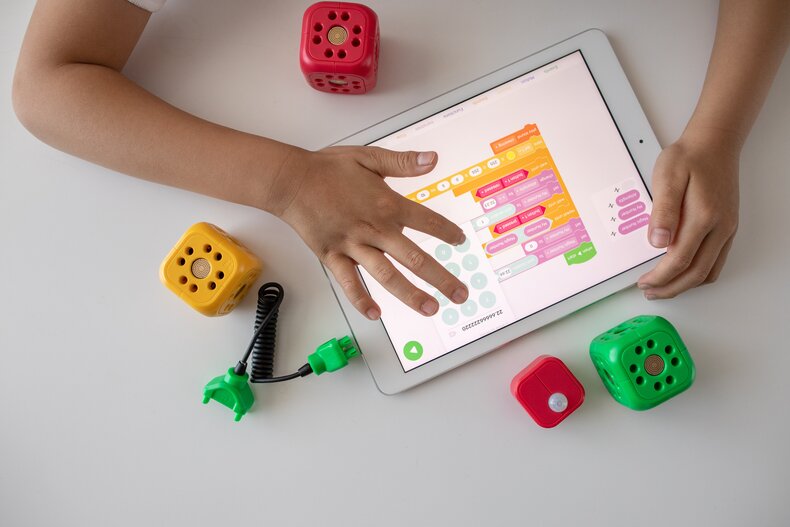
Game-based learning strategies have become increasingly popular in alternative education settings as a way to engage students and enhance their learning experiences. By incorporating elements of games into the curriculum, educators can create a more dynamic and interactive environment that encourages active participation and critical thinking.
One key benefit of game-based learning is its ability to cater to different learning styles. Games can provide hands-on, experiential learning opportunities for kinesthetic learners, while also offering visual and auditory cues for visual and auditory learners. This multi-sensory approach helps students retain information better and makes the learning process more enjoyable.
Additionally, games can foster collaboration and teamwork among students. Many game-based activities require students to work together towards a common goal, promoting communication skills and mutual respect. This not only enhances academic performance but also prepares students for real-world situations where teamwork is essential.
Furthermore, game-based learning can help increase motivation and engagement levels in students who may otherwise struggle with traditional teaching methods. The element of competition, immediate feedback, and rewards within games can incentivize students to actively participate in their own learning journey.
In conclusion, integrating game-based learning strategies into alternative education programs offers a myriad of benefits for both educators and students alike. By creating an immersive and stimulating educational environment through games, educators can effectively promote student success while fostering crucial 21st-century skills such as critical thinking, collaboration, and creativity.
 Alternative Amie
Leave a comment