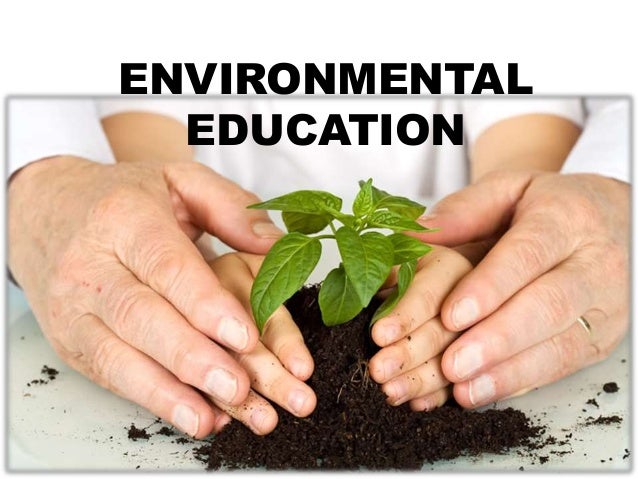
Promoting environmental stewardship through science studies is a crucial aspect of education in today’s world. As concerns about climate change, pollution, and biodiversity loss continue to grow, it is more important than ever to educate the next generation about the importance of protecting our planet and how they can contribute to sustainable practices.
One way to promote environmental stewardship through science studies is by incorporating hands-on learning experiences into the curriculum. Field trips to local parks or nature reserves can provide students with a firsthand look at different ecosystems and the impact of human activities on the environment. These field trips can also help students develop a sense of appreciation for nature and inspire them to take action to protect it.
In addition to field trips, schools can also implement project-based learning activities that focus on environmental issues. For example, students could conduct experiments to test water quality in their local community or create presentations on renewable energy sources. By engaging in these types of projects, students not only learn about environmental science but also develop critical thinking skills and problem-solving abilities that will serve them well in their future endeavors.
Furthermore, integrating sustainability principles into the school’s operations can help reinforce the importance of environmental stewardship among students. Schools can implement recycling programs, reduce energy consumption through efficient lighting and heating systems, and promote green transportation options such as biking or carpooling. By making sustainability a priority within the school environment, students are more likely to internalize these values and incorporate them into their own lives outside of school.
Another effective way to promote environmental stewardship through science studies is by inviting guest speakers who are experts in various aspects of environmental science to share their knowledge with students. These speakers could include scientists conducting research on climate change, conservationists working to protect endangered species, or policymakers advocating for sustainable policies. Hearing from these professionals can provide students with valuable insights into real-world applications of environmental science and inspire them to pursue careers in this field.
Additionally, schools can partner with local organizations dedicated to promoting environmental conservation efforts. By collaborating with nonprofits focused on wildlife preservation, clean water initiatives, or urban gardening projects, schools can provide students with opportunities for hands-on volunteering experiences that allow them to make a tangible impact on their communities. These partnerships not only benefit the environment but also foster a sense of civic responsibility among students.
Moreover, incorporating interdisciplinary approaches into science education can further enhance efforts to promote environmental stewardship. Integrating concepts from other subjects such as social studies (e.g., exploring the historical roots of environmental issues) or language arts (e.g., writing persuasive essays advocating for conservation measures) allows students to see how interconnected various disciplines are when addressing complex problems like climate change.
Lastly, assessment strategies should be aligned with promoting environmental stewardship through science studies. Instead of traditional tests or quizzes alone, teachers can evaluate student understanding through performance tasks like creating advocacy campaigns for environmentally friendly practices in their communities or designing solutions for reducing waste production at school events. By assessing student learning outcomes based on real-world applications rather than rote memorization of facts and figures,
In conclusion,
promoting
environmental
stewardship
through
science
studies
is essential
in preparing
students
to become responsible citizens who respect and protect our planet.
By incorporating hands-on experiences,
project-based learning,
sustainability principles,
guest speaker sessions,
community partnerships,
interdisciplinary approaches,
and innovative assessment strategies,
schools
can effectively instill values of sustainability
and empower
the next generation
to make meaningful contributions towards preserving our environment.
Through these concerted efforts,
we have an opportunity
to nurture a generation
of environmentally conscious individuals who will lead us towards a more sustainable future.
Environmental stewardship is not just an abstract concept—it is a call-to-action that begins within our classrooms today.
 Alternative Amie
Leave a comment