In the world of education, there is a growing emphasis on not just academic success but also on emotional intelligence. Alternative schools and educators are increasingly recognizing the importance of focusing on students’ social and emotional development alongside traditional academic learning.
Emotional intelligence, often referred to as EQ (emotional quotient), encompasses a set of skills that help individuals recognize, understand, and manage their own emotions as well as effectively navigate relationships with others. These skills include self-awareness, self-regulation, empathy, motivation, and social skills.
Alternative schooling environments provide unique opportunities for nurturing emotional intelligence in students. With smaller class sizes, more personalized attention from teachers, and a focus on holistic development rather than just grades or test scores, alternative schools are well-positioned to prioritize emotional learning.
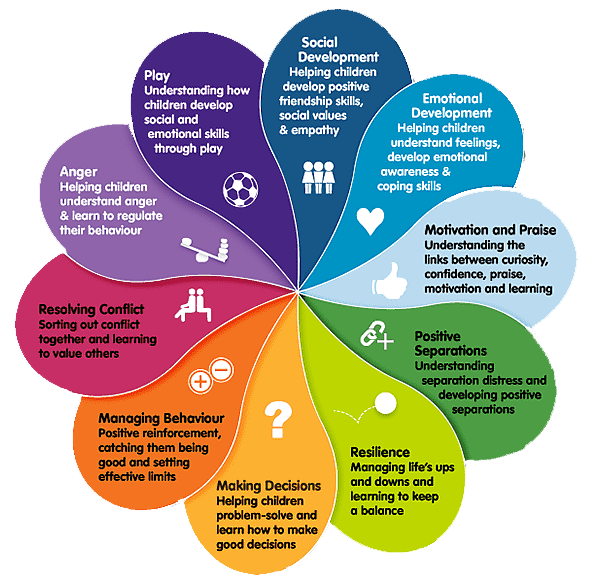
One key aspect of fostering emotional intelligence in alternative education settings is creating a safe and supportive environment where students feel comfortable expressing their thoughts and feelings. This can be achieved through activities such as group discussions, mindfulness practices, art therapy sessions, or peer counseling programs.
By encouraging open communication and providing tools for self-reflection, alternative schools help students develop a deeper understanding of their own emotions and those of others. This leads to improved interpersonal relationships both inside and outside the classroom.
Teaching conflict resolution skills is another important component of promoting emotional intelligence in alternative education settings. By equipping students with strategies to resolve conflicts peacefully and constructively, educators empower them to navigate disagreements without resorting to aggression or hostility.
Moreover, incorporating social-emotional learning (SEL) into the curriculum can further enhance students’ emotional intelligence. SEL programs focus on developing essential life skills such as empathy, teamwork, decision-making abilities, communication skills, and problem-solving techniques—all crucial elements of emotional intelligence.
Alternative schools also emphasize the value of experiential learning opportunities that allow students to apply their knowledge in real-world contexts. By engaging in community service projects or internships related to their interests or career goals, students have the chance to practice empathy towards others while honing their social skills.
Furthermore; integrating mindfulness practices into daily routines can significantly benefit students’ emotional well-being by helping them cultivate greater self-awareness and resilience in the face of challenges. Mindfulness exercises like deep breathing exercises or guided meditation sessions promote relaxation and stress management among students while enhancing their ability to stay focused and present.
In conclusion; focusing on emotional intelligence in alternative schooling environments goes beyond academics—it prepares students for success not just academically but also emotionally throughout their lives.
 Alternative Amie
Leave a comment