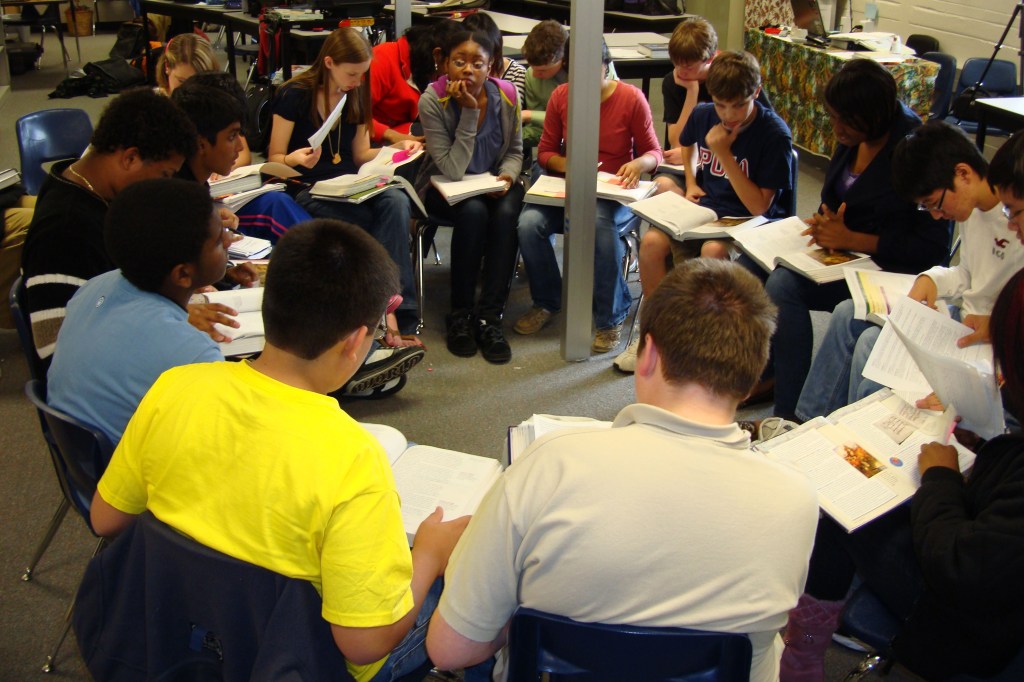
Socratic seminars have long been recognized as a powerful educational tool for fostering critical thinking, deepening understanding, and promoting meaningful dialogue among students. Rooted in the teachings of the ancient Greek philosopher Socrates, this method emphasizes inquiry-based learning through thought-provoking questions and collaborative discussion. In this article, we will explore the various applications and adaptations of the Socratic method in contemporary education, from traditional classroom settings to alternative approaches like Montessori and Waldorf schooling.
Socratic questioning techniques lie at the heart of Socratic seminars, guiding participants to engage in rigorous intellectual inquiry and logical reasoning. By posing open-ended questions that encourage reflection, analysis, and evaluation of ideas, educators can stimulate higher-order thinking skills while challenging students to articulate their thoughts clearly and coherently. The use of probing questions such as “How do you know this is true?” or “What are the implications of your argument?” not only promotes active participation but also cultivates a deeper understanding of complex concepts.
Applying the Socratic method in project-based learning offers a dynamic approach to student-centered instruction by integrating inquiry-driven tasks with collaborative problem-solving activities. By framing projects around essential questions that prompt investigation and exploration, teachers can inspire curiosity and creativity while fostering independent thinking skills. Students are encouraged to take ownership of their learning process, conduct research, analyze findings critically, and present their conclusions through presentations or discussions – all within a Socratic framework that values reasoned debate and constructive feedback.
In Montessori education, which emphasizes self-directed learning within multi-age classrooms, the Socratic method aligns well with its philosophy of nurturing independent thinking and intrinsic motivation. By encouraging students to ask questions, seek answers through hands-on experiences, and engage in peer-to-peer dialogue guided by an adult facilitator (or “directress” in Montessori terms), the Socratic approach complements Montessori’s emphasis on holistic development and individualized instruction tailored to each child’s unique needs.
Similarly, Waldorf schooling places a strong emphasis on interdisciplinary learning grounded in experiential activities that engage both mind and body. The Socratic method can be integrated into Waldorf classrooms through group discussions known as “Socrates circles,” where students explore moral dilemmas or philosophical concepts related to their main lesson blocks. By fostering dialogue that transcends subject boundaries and encourages imaginative thinking alongside critical analysis, Waldorf educators can enhance social-emotional growth while deepening cognitive skills within a supportive community setting.
Socratic dialogue in outdoor education presents a natural extension of experiential learning principles by inviting students to connect with nature while engaging in reflective conversations about environmental stewardship or ethical considerations related to outdoor activities. Through guided discussions facilitated by teachers or outdoor educators trained in Socratic questioning techniques, students can develop an appreciation for ecological systems while honing their ability to think ethically about sustainability issues impacting our planet.
Socratic circles for student discussions offer a structured format for classroom discourse that promotes active listening skills,
collaborative problem-solving,
and respectful exchanges
of diverse viewpoints.
By establishing norms
for participation
and establishing clear guidelines for discussion etiquette,
teachers can create an inclusive environment where all voices are heard
and respected.
Peer-led Socratic discussions provide opportunities for students
to take on leadership roles,
foster empathy towards peers’ perspectives,
and deepen their own understanding through teaching others.
By scaffolding support
for peer moderators
and providing training on effective questioning strategies,
educators empower students
to drive their own learning experiences
while cultivating valuable communication skills
Online platforms offer virtual spaces for hosting synchronous or asynchronous dialogues using video conferencing tools chat forums blogs podcasts or other digital mediums these platforms enable educators to facilitate engaging socratics sessions across distance boundaries allowing remote learners access enriching intellectual exchange despite physical separation technology integration enhances socratics teaching practices by expanding reach accessibility offering multimedia resources supporting diverse modalities expression historical perspectives reveal evolution over time classical greece modern pedagogy influencing philosophers theorists researchers adapt refine original concept meet changing educational needs cross curricular applications demonstrate versatility universal appeal spanning disciplines subjects including language arts mathematics science history art differentiated instruction underscores flexibility adaptation accommodate varied learner profiles exceptionalities employing tiered scaffolding strategies flexible grouping options personalized supports instructors tailor delivery methods content suit individual strengths areas growth cultivate critical thinking foster metacognitive awareness introspective examination processing knowledge enhancing overall cognitive development role reflection metacognition central socractic practice promoting self awareness self regulation monitoring assessing one’s own thought processes emotions behaviors fosters deep engagement content meaningful connections real world contexts social emotional social emotional domain encompasses interpersonal intrapersonal competencies resilience empathy cooperation teamwork ethics moral reasoning inherent socratric inquiry ethical dimensions arise exploring complex issues dilemmas posing moral quandaries requiring careful consideration values principles restorative justice principles emphasize accountability reconciliation harm repair healing relationships trust community conflicts disputes approached collaboratively constructively focusing solutions amicable resolutions rather punitive measures promote harmony unity inclusion diversity equity justice facilitating teacher relationships strengthen rapport trust enacting reciprocal respect valuing authentic communication mentorship guidance mutual vulnerability shared responsibility success collective effort promote positive school climate culture based open honest transparent interactions implementing innovative instructional methods transforming traditional paradigms enhancing student engagement empowerment fostering lifelong love curiosity discovery journey seeking truth knowledge wisdom
 Alternative Amie
Leave a comment