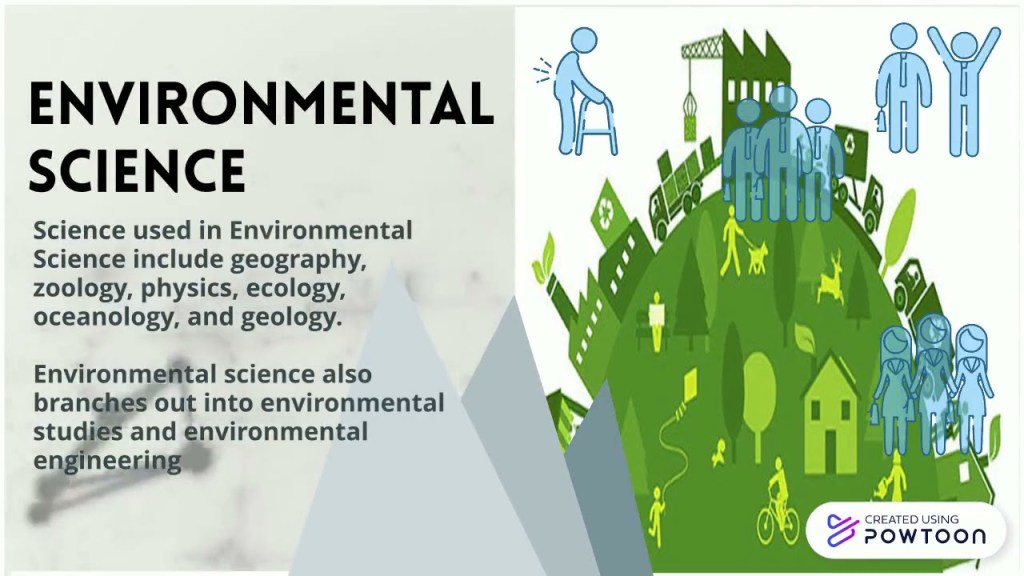
Environmental science is a fascinating field that explores the intricate relationships between humans and their environment. From understanding the impact of human activities on ecosystems to finding sustainable solutions for mitigating climate change, environmental science encompasses a wide range of disciplines and topics. In this article, we will delve into some of the key concepts and areas of study within environmental science, highlighting why it is crucial for students to learn about these issues in today’s world.
One of the foundational principles of environmental science is ecology, which focuses on studying how living organisms interact with each other and their environment. By understanding ecological principles such as food chains, energy flow, and nutrient cycling, students can grasp the complex web of relationships that sustain life on Earth. Ecology also plays a critical role in conservation efforts by informing strategies to protect endangered species and preserve biodiversity.
Another important aspect of environmental science is climate change research. The study of climate change involves examining long-term trends in temperature, precipitation patterns, sea level rise, and other indicators to understand how human activities are altering the Earth’s climate system. Students who learn about climate change gain insights into the causes and consequences of global warming, as well as potential mitigation strategies like reducing greenhouse gas emissions and transitioning to renewable energy sources.
Pollution control is another key area within environmental science that addresses the various types of pollution affecting air, water, soil, and wildlife. Students studying pollution control learn about pollutants such as chemicals, heavy metals, plastics, and pesticides that can harm human health and ecosystems. They also explore technologies and policies aimed at reducing pollution levels through waste management practices, emission controls, recycling programs, and clean-up efforts.
In addition to these core areas of study within environmental science, there are numerous interdisciplinary fields that combine scientific knowledge with social sciences or policy analysis to address complex environmental challenges. For example:
– Environmental economics examines how economic incentives can be used to promote sustainable development while accounting for the value of natural resources.
– Environmental policy analyzes government regulations and international agreements designed to protect the environment from degradation.
– Sustainable agriculture explores methods for producing food in an environmentally friendly manner that conserves soil fertility and minimizes pesticide use.
– Urban planning integrates principles of sustainability into city design by promoting public transportation systems, green spaces,and energy-efficient buildings.
By learning about these diverse aspects of environmental science,schools can equip students with essential knowledgeand skills neededto address pressingenvironmental issuesin their communitiesand beyond.As partofan alternativeeducationapproach,itis importanttoemphasize hands-onlearningexperiences,suchas field trips,tolocal parks,nature preserves,farms,and research facilities.These experiential opportunities enable studentsto connect theorywith real-world applicationsandsupportthe developmentofcritical thinking,collaboration,and problemsolvingskills.Incorporating servicelearningprojectsintothecurriculumcanalsoprovidestudentswithvaluable opportunities toparticipateinenvironmental stewardshipactivities,suchas tree planting,riverscleanups,wetlandrestoration,andcommunitygardening projects.Throughtheseendeavors,young learnerscanexperience firsthandtheimpactsoftheir actions ontheenvironmentanddevelopa senseofresponsibilitytowardssustainabilityandrenewable resource consumption.Additionally,guest lecturesfromscientists,policymakers,and activistsworkingonenvironmentalissuescangivestudents insightintothenewestresearchfindings,policy debates,and grassroots movements shapingthesustainabilityagenda.Teacherscanalsoincorporateproject-basedassignments,intothecurriculumthatchallengestudentstodevelopinnovativesolutionsforreal-worldenvrionmentalproblems.This approachencouragescreativity,critical thinking,andcollaborationamongstudentgroupsandhelpsimproveproblem-solvingcapabilities.Othereducational activitiessuchasdramaticreenactments,modelbuilding,evnironmentaldocumentaryscreenings,literaturereviews,discussionpanels,writingassignments,researchpapersandonlinequizzescanallbeusedtoenhancestudentengagementandunderstandingofcomplexenvironmnetalconceptsinacreativeandeffective way.Byprovidingdiverselearningopportunitiesandsupportingstudent-driven inquiryandindependentthinking,instructorscanguideyounglearnersontobecomecompassionate,stewardswhounderstandthemagnitudeofsustainabilitychallengesfacingourplanet.Despiteitsimportance,theintegrationoffenvironmentalsciencecurriculuminalternativeeducationsettingsmayposechallengesduetoresourceconstraints,timeconstraintsorinstitutionalculturedifferences.However,byspilotingnewteachingmethods,onlineresources,outdoorclassroomactivitiesandexperientiallearningopportunitieswithoutsideorganizationsorspecializedtrainers,schoolscanovercomethesebarriersandenrichthestudentexperience.Alternatively,colleaboratingwithothereducationalinstitutions,governmentagencies,nongovernmentalorganizationbusinessesorphilanthropicfoundationsfortechnicalassistancegrants,mobilizingcommuntyvolunteersortappingintoonlineplatformsandcoursesdedicatedtosustainabledevelopmentcouldalsobeusefulstrategiesforenhancingenvironmntaleducationprograms.Furthermore,itispivotalthatadministrators,e
ducators,parentsguardiansjoinforcestoadvocateforstate-andlocalpolicychangesaimedatstrengtheningenvironmentaleducationrequirementsinthecurr
iculumsettingclearassessmentstandardsformonitoringstudents’progressinscientificliteracyenthusiasmforenvirnomentalstewardshipknowledgeofcurrenteventsrelatedtosustainablityissuestechnologicalproficiencymathematicalandcomputationalcompetencyinterdisciplinarycollabortainabilitytocommunicateeffectivelythroughwritingpublicspeakinggraphicdesignskills.Toconcludetheintegrationofoenvironemntalsciencerelatedtopicsinquirybasedcurriculaoffersastimulatingmeaningfulwaytoguideyounglearnersontheirjourneytowardsbecomingresponsiblecitizenswhoareequippedtotacklepressingglobalchallenge
s.Allowingstudentsfreedomexploretheworldaroundthemengageinhandsonactivitesundertakeprojectsthatsignificantlycontributetosocialcauseswillnotonlyempowerthembutalsotransformhowtheyviewtheirroleinsocietyandasagentschange.Withafocusonsustainingleadershipteamworkproblem-solvingskillingenuityinnovationcreativityalternativemediationtechniquesitpossibletonurturesensitivesocietalchangemakersthroughenvironmtallyconsciouseducationprogrammes.Additonallybyofferingflexibleindividualisedsupportservicesadaptedinstructionmaterialscreativeinstructionaldesignoptionsacademicaccomodationspersonalizedgoalsettinmechanismsdatabaseddecisioamkingprocessesongoingassessmentmonitorigevaluateprogramswehaveabettehopesuccessfullyaddressingeverychildneedsmaximisingpotentialwhilecultivatingappreciationforournaturalworld.Educationhasaroletoplayinstrengtheningcommuitytiespromotingglobalunderstandingcooperatiomrespecttolerancepeaceharmony.Itisaforethoughtthatteachersshouldtakenoteoftipsftoensureeffectiveintegratiooenvironmentaleducationintothecurriculumincludingidentifyingcoreconceptsfocusingonreal-lifeapplicationstakingfieldtripsmakingconnectionsacrossdisciplinesestablishingtangiblegoalsjobscreatinghands-onexperinecesevaluatingoutcomesfinely-tuninglessonsincorpotaingtechnologyinvitingguestspeakersutilizindiverseresourcesencouragingprivaelectureparticipationrewardseffortscelebratinachievementsdevelopingleadershipsillsadoptinflexibleschedulesmaintiningopenlinescommunicationseekingingfeedbackfromvarioussrakholdersacknowledgingaccomplishmentsadaptingchangingcircumstancescontinuingprofessionaldevelopmenttakingrisksmodeliethicalbehaviorsfosteringpositivecliamtesocially-emotionaltolerantattitudepromotingepistemologicaawarenessreflectivepractice.Aswithanyinitiativeimplementingsoundpedagogicalpracticeswell-definedgoalsobjectivecomprehensiveguidelinesregularreviewevaluationadjustmentspromotioncollaborativepartnershipsactivecommunityengagementcontinuousprofessionaldevelopmenttrainingkeysuccess.Enviornementaleducationshouldberegardedasintegralcomponentholisticapproachtocreativeciticalthinkinlifelonglearnignengagementresponisibleaction.Tags:EnviornmentScienceEducationAlternativeSchoolEnvironmentSustainablityEco-friendlyClimateChageConservationBiodiversityPollutionControlInterdisciplinaryFieldServiceLearningProjectBasedAssignmentsCreativityCollaborationStewardshipResourceConstraintsEducationalInstituionsGovernmentAgenciesNGOsBusinessPhilanthropicFoundationsTechnicalAssistanceGrantsCommunityVolunteersOnlineResourcesOnlineCoursesPolicyChangesScientificLiteracyMathematicalandComputationalCompetencyInterdisciplinaryCollabortionTechnologicalProficiencyCommunicationSkillsLeadershipTeamworkProblem-SolvingSkillIngenuityInnovationCreativityMediationStrategiesIndividualisedSupportServicesAdaptedInstructionMaterialsFlexibleSchedulingOpenCommunicationFeedbackAcknowledgementContinuingProfessionalDevelopmentReflectivePracticeComprehensiveGuidelinesActiveCommunityEngagementHolisticApproachResponsibleActionKeysToSuccess
 Alternative Amie
Leave a comment