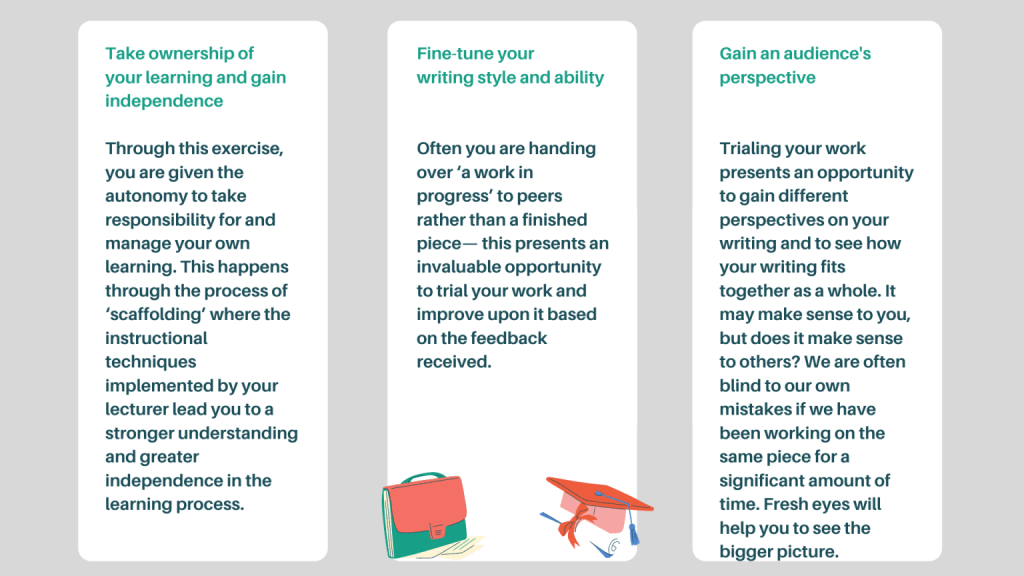
Peer assessment is a valuable tool in the realm of self-regulated learning, allowing students to take control of their own educational journey while also benefiting from the perspectives and feedback of their peers. This collaborative approach not only enhances academic performance but also fosters important skills such as critical thinking, communication, and self-reflection.
Self-regulated learning refers to the process by which individuals set goals for themselves, monitor their progress, and adjust their strategies accordingly to achieve those goals. Peer assessment fits seamlessly into this framework by providing students with opportunities to evaluate each other’s work in a structured and constructive manner.
One of the key benefits of peer assessment is that it encourages active engagement with course material. When students are tasked with assessing their peers’ work, they must delve deeply into the subject matter to provide meaningful feedback. This process not only reinforces their own understanding but also helps them identify gaps in their knowledge or areas where they can improve.
Furthermore, peer assessment promotes a sense of ownership over one’s learning journey. By taking on the role of assessor, students become more invested in both their own success and that of their peers. This sense of responsibility can lead to increased motivation and dedication to achieving academic goals.
In addition to promoting deeper engagement with course material, peer assessment helps develop crucial critical thinking skills. Evaluating someone else’s work requires students to analyze arguments, identify strengths and weaknesses, and formulate constructive feedback. These skills are essential not only for academic success but also for navigating real-world challenges where critical thinking is paramount.
Moreover, peer assessment fosters effective communication skills. Providing feedback in a clear and respectful manner is a skill that translates across disciplines and professions. Through peer assessment activities, students learn how to articulate their thoughts coherently and offer constructive criticism – all valuable abilities that will serve them well beyond the classroom.
Self-reflection is another key aspect nurtured through peer assessment. As students assess others’ work, they inevitably reflect on their own approaches and methodologies. This introspection can lead to insights about personal strengths and weaknesses as learners, helping individuals fine-tune their study habits for optimal performance.
It is important to note that effective implementation of peer assessment requires careful planning and guidance from educators. Clear guidelines should be provided regarding evaluation criteria, expectations for feedback delivery, and mechanisms for resolving disputes or disagreements between assessors.
Additionally, fostering a supportive classroom environment is crucial for successful peer assessment practices. Students should feel comfortable offering feedback without fear of judgment or reprisal – creating a culture where constructive criticism is seen as an opportunity for growth rather than as a threat.
Overall, peer assessment plays a vital role in promoting self-regulated learning by empowering students to take charge of their educational journeys while honing essential skills such as critical thinking, communication, and self-reflection.
 Alternative Amie
Leave a comment