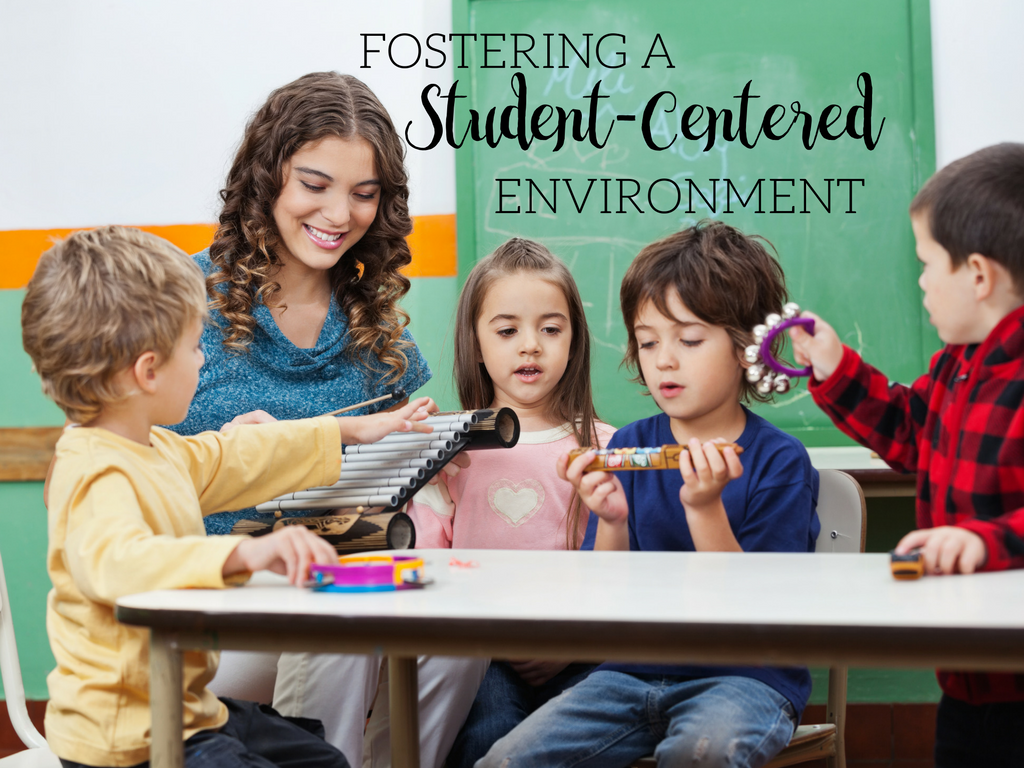
Project-based learning (PBL) is a dynamic and innovative educational approach that has gained momentum in recent years as an effective way to engage students in deeper learning experiences. Rooted in the principles of constructivism, PBL shifts the focus from teacher-led instruction to student-centered exploration, collaboration, and problem-solving. By immersing students in real-world projects that require critical thinking, creativity, communication skills, and collaboration, PBL aims to prepare them for success in a rapidly changing world.
The origins of project-based learning can be traced back to the progressive education movement of the early 20th century. Educators like John Dewey advocated for hands-on, experiential learning that connected students with their communities and encouraged them to explore topics through meaningful projects. However, it wasn’t until more recently that PBL gained widespread recognition as an effective pedagogical approach.
In a project-based learning environment, students are presented with a complex problem or question that requires investigation and analysis. They work collaboratively in groups to research the topic, gather information from various sources, develop a plan of action, and create a tangible product or presentation to demonstrate their understanding. This process not only allows students to delve deeply into a subject but also helps them develop essential 21st-century skills such as critical thinking, communication, creativity, and collaboration.
One key element of successful project-based learning is authenticity – projects should be relevant and meaningful to students’ lives and interests. By connecting classroom activities to real-world issues or challenges, educators can increase student motivation and engagement while fostering a sense of purpose and ownership over their learning.
Another important aspect of PBL is inquiry-based learning – encouraging students to ask questions, seek answers independently, and make connections between different concepts. By promoting curiosity and self-directed exploration, teachers can empower students to take control of their own learning journey.
Furthermore…
 Alternative Amie
Leave a comment