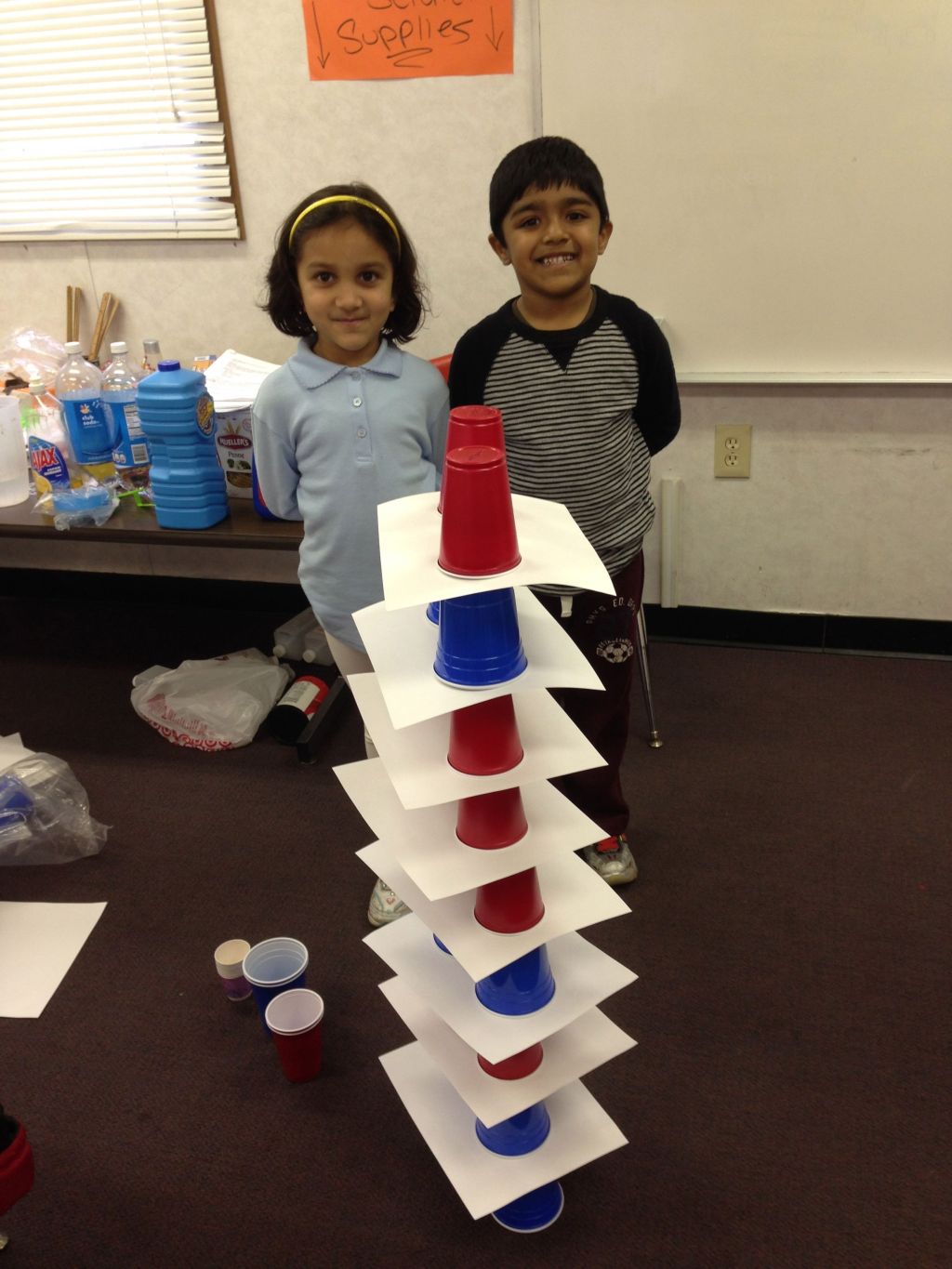
Project-based learning (PBL) is an innovative approach to education that has gained popularity in recent years, particularly for gifted students. This method of teaching allows students to explore complex problems and real-world challenges through hands-on projects, rather than traditional lectures and textbooks. Gifted students, who often crave intellectual stimulation and creative outlets, can greatly benefit from the opportunities provided by project-based learning.
One of the key benefits of project-based learning for gifted students is the opportunity for deep exploration and inquiry. Traditional classroom settings can sometimes feel limiting for intellectually advanced students, as they may quickly grasp concepts being taught and become bored with repetitive worksheets or lectures. PBL allows these students to delve into topics that interest them on a more profound level, leading to increased engagement and motivation.
Gifted students also thrive in project-based learning environments because they are given more autonomy over their own learning. In a typical classroom setting, teachers dictate what topics are covered and how they are presented. However, in a PBL setting, students have the freedom to choose projects that align with their interests and passions. This autonomy fosters a sense of ownership over their education and encourages independent thinking and problem-solving skills.
Furthermore, project-based learning promotes collaboration among gifted students. Many intellectually advanced individuals may struggle with social interactions due to feeling different from their peers or lacking common interests. Through group projects in a PBL environment, gifted students have the opportunity to work together towards a common goal, building teamwork skills and developing empathy for others’ perspectives.
Another advantage of project-based learning for gifted students is its emphasis on real-world application. Rather than memorizing facts or equations without understanding how they relate to everyday life, PBL tasks students with solving authentic problems that mimic those encountered in professional settings. This practical approach not only makes learning more relevant but also prepares gifted learners for future careers where critical thinking and creativity are highly valued.
In addition to academic growth, project-based learning provides numerous benefits for the social-emotional development of gifted students. By working on long-term projects that require perseverance and resilience when faced with challenges or setbacks, these learners develop important character traits such as grit and self-regulation. Furthermore, presenting their work to an audience outside of the classroom helps build confidence in public speaking and communication skills.
While there are many advantages to implementing project-based learning for gifted students, it is essential that educators receive proper training in designing effective PBL experiences tailored to this unique population’s needs. Gifted learners may require differentiated instruction or enrichment opportunities within projects to ensure they are appropriately challenged while still feeling supported in their educational journey.
Overall, project-based learning offers an engaging alternative to traditional methods of instruction for gifted students by providing intellectual stimulation through deep exploration of topics aligned with their interests; fostering autonomy over their own learning; promoting collaboration among peers; emphasizing real-world applications; enhancing social-emotional development; building important character traits like grit; self-regulation; confidence-building through public speaking opportunities outside classrooms designed specifically around enhancing abilities based solely on talent levels instead primarily focusing solely upon academic performance measures alone which might not always accurately reflect potential capabilities beyond standard curriculum expectations typically observed across general student populations found within conventional school programs today.
 Alternative Amie
Leave a comment