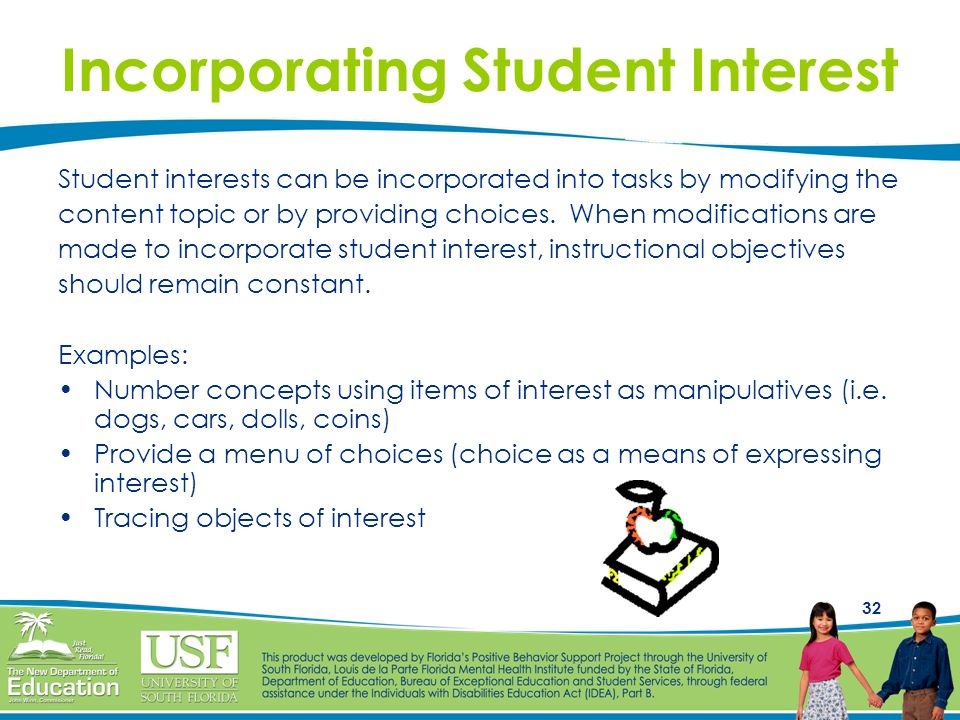
Interest-based curriculum design is a powerful approach to education that focuses on tailoring learning experiences to the unique interests and passions of individual students. By incorporating students’ interests into the curriculum, educators can increase engagement, motivation, and overall learning outcomes. This approach recognizes that when students are personally invested in what they are learning, they are more likely to retain information, apply it in real-world contexts, and develop a lifelong love for learning.
One key aspect of interest-based curriculum design is the emphasis on student choice and autonomy. Rather than following a one-size-fits-all approach to education, this model allows students to have a say in what they learn and how they learn it. By giving students the freedom to pursue topics that genuinely interest them, educators empower them to take ownership of their education and become active participants in the learning process.
Another benefit of interest-based curriculum design is its ability to foster creativity and critical thinking skills. When students are allowed to explore topics that they are passionate about, they are more likely to think creatively, ask questions, seek out new information, and make connections between different concepts. This type of open-ended exploration can lead to deeper understanding and more meaningful learning experiences.
Additionally, interest-based curriculum design promotes interdisciplinary learning by encouraging students to make connections across different subject areas. For example, a student who is interested in music could explore the mathematical principles behind musical scales or the historical context of different genres of music. By integrating multiple disciplines into their studies based on their interests, students can develop a holistic understanding of complex topics and see how various subjects relate to one another.
Overall, interest-based curriculum design has the potential to revolutionize traditional education by placing students at the center of their own learning journey. By tapping into their interests and passions, educators can create engaging and relevant learning experiences that inspire curiosity, creativity, and lifelong learning habits. This approach not only benefits individual students but also contributes to a more dynamic and inclusive educational environment where every learner has the opportunity to thrive.
 Alternative Amie
Leave a comment