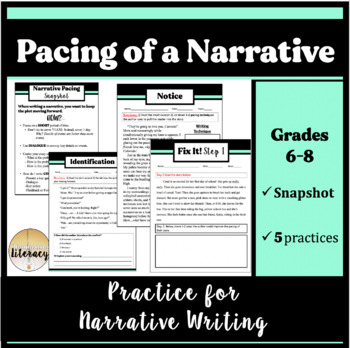
Story pacing is a crucial aspect of writing that can make or break the reader’s engagement with a piece. In the world of education, understanding how to pace a story effectively can be a valuable skill for students to develop.
When it comes to storytelling, pacing refers to the speed at which events unfold within a narrative. A well-paced story will keep readers hooked and eager to turn the page, while a poorly paced one may leave them feeling bored or overwhelmed.
One way to ensure good pacing in writing is by varying the tempo of your narrative. By mixing fast-paced action scenes with slower moments of reflection or character development, you can create a dynamic rhythm that keeps readers interested throughout.
Another important factor in pacing is knowing when to reveal key information or plot twists. Too much exposition too soon can lead to information overload, while withholding crucial details for too long may frustrate readers. Finding the right balance between revealing and concealing information is essential for maintaining tension and suspense in a story.
In an educational setting, teachers can help students improve their storytelling skills by guiding them through exercises that focus on pacing techniques. Encouraging students to experiment with different speeds of narration and practice incorporating cliffhangers or unexpected revelations into their writing can help them develop a strong sense of pacing in their stories.
Ultimately, mastering story pacing is about finding the perfect balance between keeping readers engaged and allowing room for anticipation and surprise. By honing this skill, students can become more effective storytellers and captivate audiences with their narratives.
 Alternative Amie
Leave a comment