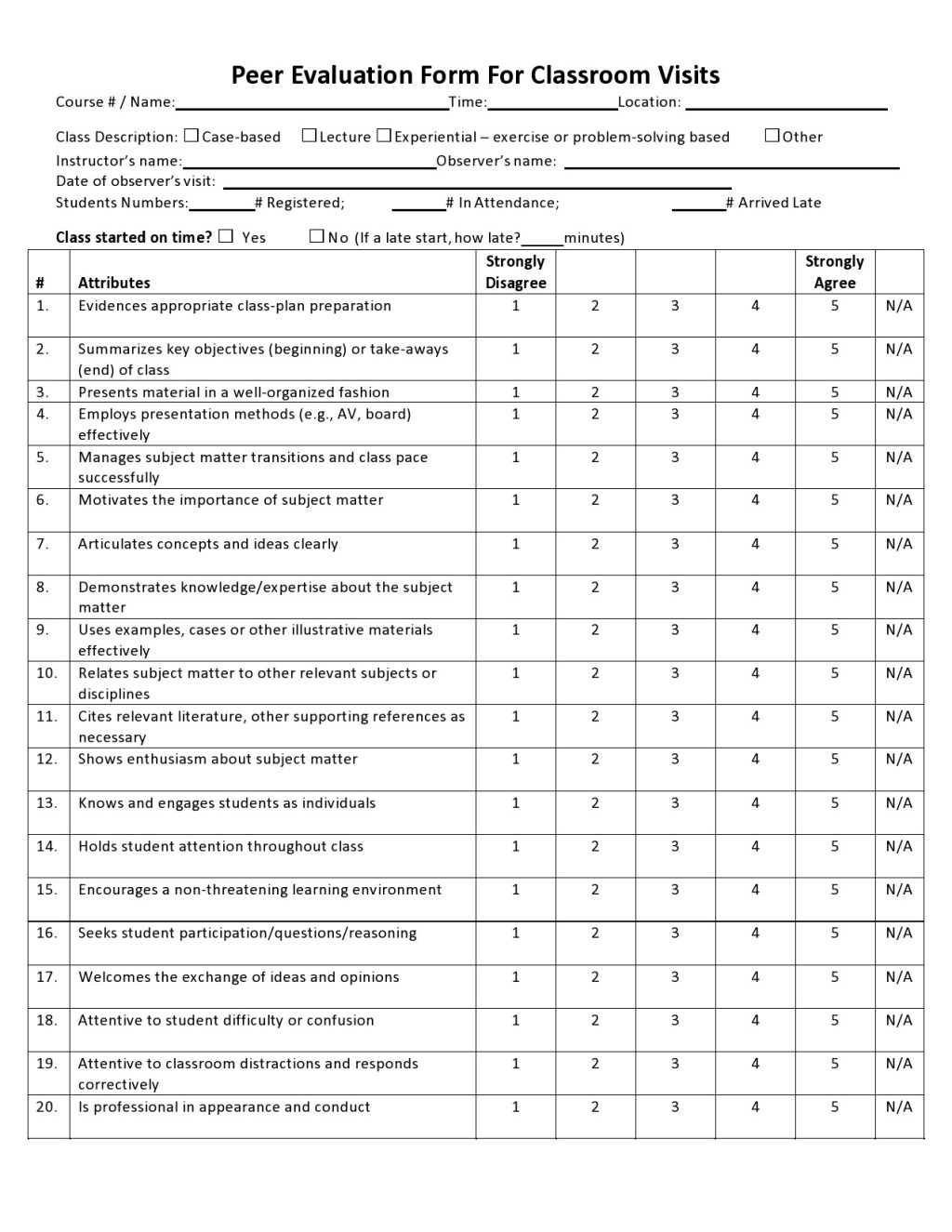
Peer assessment is a valuable tool in education that allows students to provide feedback to their peers on various aspects of their work. This form of assessment not only benefits the receiver of the feedback but also helps the giver develop critical thinking, communication, and evaluation skills. In this article, we will explore different aspects of peer assessment and how it can be effectively implemented in various educational settings.
Self-assessment techniques are essential for students to reflect on their own learning and progress. By incorporating self-assessment into peer assessment activities, students can identify their strengths and areas for improvement before receiving feedback from their peers. This process encourages metacognition and helps students take ownership of their learning journey.
Peer feedback strategies play a crucial role in ensuring that assessments are constructive and helpful. Teachers can guide students on how to give specific, actionable feedback that focuses on the criteria or rubrics provided for the assignment. Encouraging students to ask questions, provide examples, and offer suggestions for improvement can enhance the quality of peer feedback.
Incorporating peer assessment in project-based learning allows students to assess not only final products but also collaborative processes. Peer assessment can promote accountability within groups, as each member is responsible for evaluating their peers’ contributions fairly. It also fosters teamwork skills such as communication, collaboration, and conflict resolution.
Peer assessment in online learning environments presents unique challenges due to limited face-to-face interaction. However, digital tools and platforms can facilitate peer assessments by providing structured frameworks for giving feedback. Teachers can leverage features such as discussion forums, online surveys, or peer review modules to support virtual peer assessments effectively.
For social-emotional learning (SEL), peer assessment offers opportunities for students to develop empathy, perspective-taking, and relationship-building skills. Feedback focused on recognizing strengths and offering encouragement can contribute positively to students’ self-esteem and emotional well-being.
Using rubrics for peer assessment provides clear criteria for evaluation and ensures consistency in feedback across all student submissions. Rubrics help both givers and receivers understand expectations and standards, leading to more meaningful assessments.
Benefits of peer assessment are particularly significant for students with special needs who may benefit from multiple perspectives on their work. Peer assessments can provide alternative viewpoints that cater to diverse learning styles while promoting inclusion within the classroom community.
In language learning contexts, peer assessment enables language practice through giving and receiving feedback on writing assignments or oral presentations. Peers can help identify grammar errors, vocabulary usage issues, pronunciation difficulties, or cultural nuances that may enhance language proficiency.
In arts and creative subjects like music or visual arts, peer assessments encourage appreciation of different artistic styles while honing critical analysis skills. Students can learn how to articulate aesthetic preferences or offer constructive criticism that supports artistic growth.
Implementing peer assessment in physical education classes promotes reflection on skill development, sportsmanship behaviors, teamwork dynamics during group activities like team sports or fitness challenges.
Encouraging constructive criticism in peer assessments involves teaching students how to frame feedback positively by highlighting strengths first before suggesting areas for improvement.
Training students To give effective Peer Feedback requires modeling examples Of high-quality critiques And facilitating discussions On best practices For delivering helpful comments respectfully.
Peer Assessment For individualized Learning plans empowers Students To set goals based On personalized Needs And receive targeted Feedback From Their Peers To track Progress Towards those objectives.
Addressing bias And fairness In Peer Assessments necessitates establishing Clear guidelines For evaluation Criteria And encouraging Objectivity When assessing Peers’ Work To mitigate Unconscious biases Or favoritism.
Peer Assessment As A Form Of Student Empowerment encourages autonomy And agency In The Learning process By allowing Students To actively participate In shaping Their own educational experiences Through providing meaningful Feedback To classmates.
Using technology Facilitates Peer Assessments By streamlining The process With online Platforms That enable easy Submission Of assignments And structured Evaluation tools For efficient Feedback exchange Among peers.
The Role Of teachers In Guiding Peer Assessments Is crucial As they oversee The process By setting Expectations Guiding discussions On providing constructive Criticism And ensuring Accountability Among Students participating In Peer evaluations.
Peer Assessment For Building teamwork Skills Enhances Collaboration Among Students By fostering Communication Trust Respect During Group projects Which Are essential Skills That transfer beyond The Classroom Setting Into real-world Situations Where Teamwork Is valued
In conclusion
peer Assessment Is a versatile Tool That Can Be implemented Across Various Subjects Levels Educational settings To foster Critical thinking Communication Collaboration Self-awareness Empathy among Students While enhancing Learning outcomes And promoting A culture Of continuous Improvement Through reflective Practices
 Alternative Amie
Leave a comment