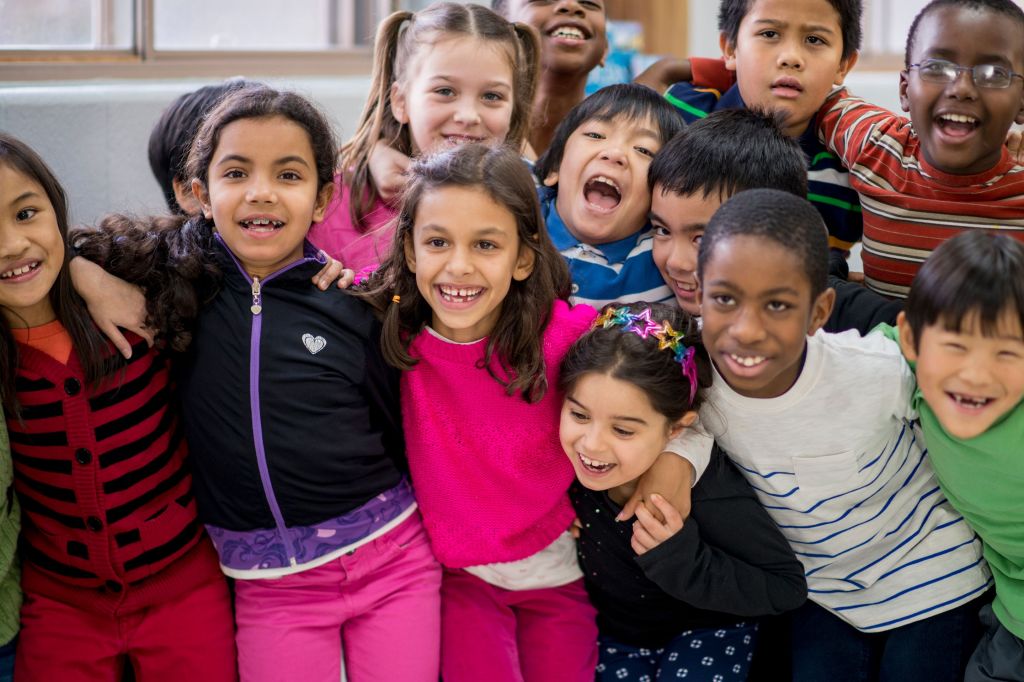
Growing up in a diverse and inclusive environment has shaped my views on education, community, and society as a whole. I was fortunate to attend an alternative school that embraced diversity in all its forms – race, ethnicity, socio-economic background, abilities, and more. This experience taught me the importance of creating an inclusive space where everyone feels valued and respected for who they are.
One of the key aspects of encouraging diversity and inclusion in education is fostering a sense of belonging among students. When individuals feel like they belong in their educational environment, they are more likely to engage with their learning and contribute positively to the community. This can be achieved through various means such as celebrating different cultures and traditions, incorporating diverse perspectives into the curriculum, and providing support systems for students from marginalized backgrounds.
Teachers play a crucial role in promoting diversity and inclusion within schools. They have the power to create a safe space where students feel comfortable expressing themselves and sharing their unique experiences. Educators can do this by actively listening to their students, being open-minded about different viewpoints, challenging stereotypes, and addressing issues of discrimination or bias when they arise. By modeling inclusive behavior themselves, teachers can set an example for their students on how to respect and appreciate diversity.
In addition to educators’ efforts, it is essential for school administrators to prioritize diversity and inclusion initiatives at both the policy level and within school practices. This involves hiring staff from diverse backgrounds, implementing anti-discrimination policies, providing training on cultural competency for all members of the school community, and ensuring that resources are allocated equitably across different student groups.
Ultimately, creating a truly inclusive educational environment requires ongoing commitment from all stakeholders – students, teachers, parents, administrators – working together towards a common goal of fostering understanding and empathy across differences. By embracing diversity as a strength rather than seeing it as a challenge or barrier to unity, schools can empower students to become global citizens who value inclusivity in all aspects of their lives.
 Alternative Amie
Leave a comment