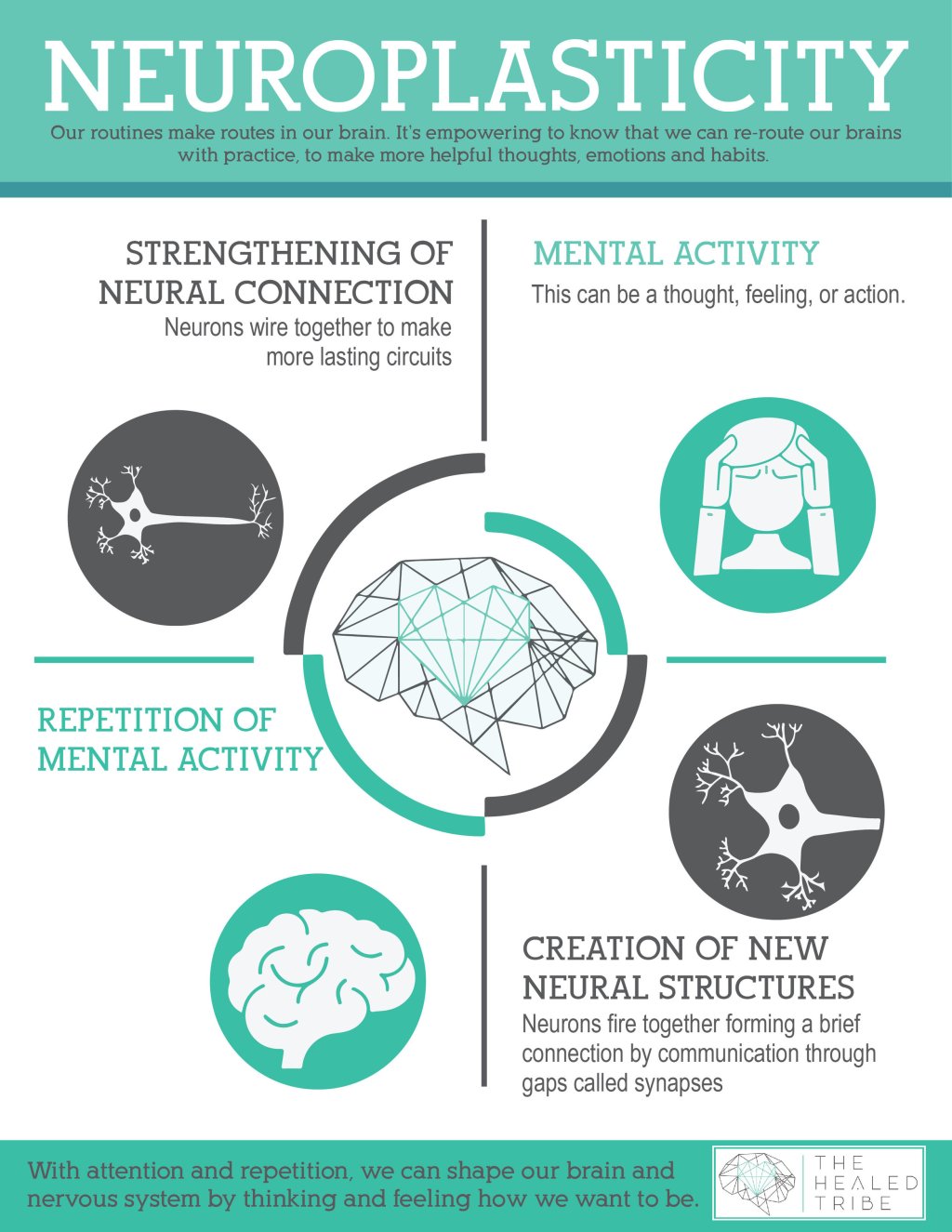
Sleep plays a crucial role in brain function, as it is during sleep that the brain processes and consolidates information from the day. Sleep deprivation can have significant negative impacts on cognitive abilities, memory, decision-making, and emotional regulation. Studies have shown that chronic sleep deprivation can lead to decreased neuroplasticity, which is the brain’s ability to reorganize itself by forming new neural connections. This can impair learning and overall cognitive function.
Stress also has a profound effect on the brain and learning. Chronic stress can lead to structural changes in the brain, particularly in areas related to memory and learning. High levels of stress hormones like cortisol can interfere with neurotransmitter function and inhibit neuroplasticity, making it harder for individuals to learn effectively.
👉 Check it out: Shop Health Supplements on Amazon
Nutrition plays a vital role in cognitive development, as the brain requires nutrients to function properly. A diet rich in essential fatty acids, antioxidants, vitamins, and minerals supports optimal brain health and cognitive function. Additionally, regular physical activity has been shown to improve brain health by increasing blood flow and oxygen delivery to the brain.
👉 Check it out: Shop Fitness Tracker on Amazon
Memory retention can be enhanced through various strategies such as spaced repetition, mnemonic devices, visualization techniques, and practicing retrieval of information. Music has also been found to have a positive impact on brain function by stimulating multiple areas of the brain involved in memory formation.
Incorporating mindfulness practices into education can help students regulate their emotions and attention levels, leading to improved focus and academic performance. Bilingualism has been linked to enhanced cognitive abilities due to increased neural connections formed while switching between languages.
Technology use among adolescents should be monitored as excessive screen time has been associated with decreased cognitive abilities such as attention span and memory retention. Encouraging creativity among students can enhance neural connections by engaging different parts of the brain involved in problem-solving and critical thinking skills.
Understanding how our brains work and implementing strategies based on neuroscience can significantly improve learning outcomes for students of all ages.
🛒 Recommended Products
As an Amazon Associate, we earn from qualifying purchases.
Disclosure: This post contains Amazon affiliate links. As an Amazon Associate, we earn from qualifying purchases at no additional cost to you.

 Alternative Amie
Leave a comment