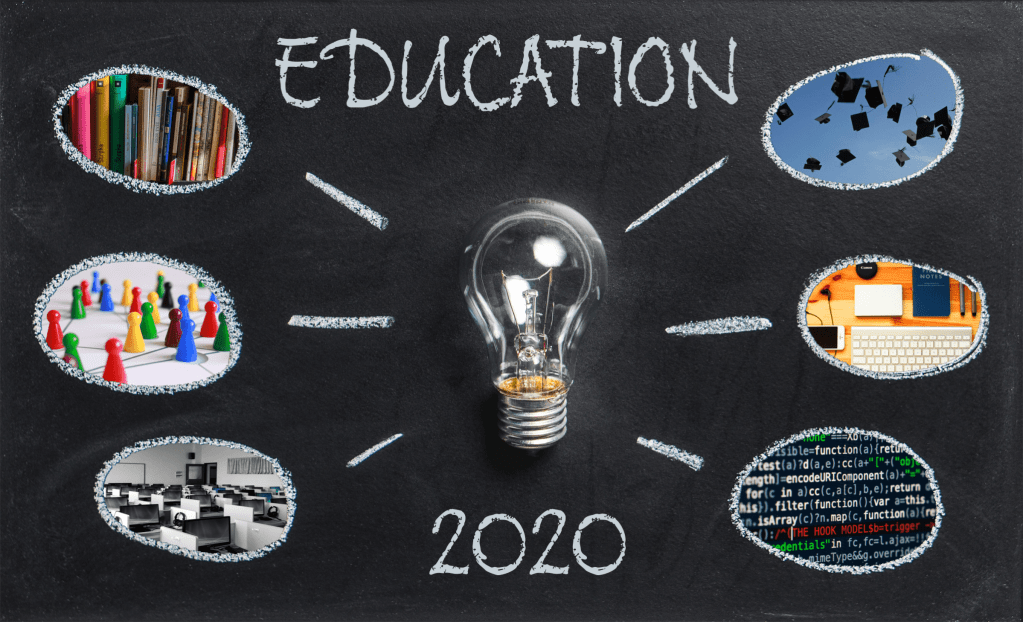
The landscape of education has been significantly transformed in recent years with the emergence of various innovative approaches to teaching and learning. As the world becomes increasingly digital, educators are embracing new technologies and strategies to engage students in more meaningful ways. In this post, we will explore some of the most exciting trends in online education that are reshaping the way students learn and grow.
One such trend is the flipped classroom model, where traditional teaching methods are reversed. Students engage with instructional content at home through videos or readings, allowing for more interactive and collaborative activities during class time. This approach promotes active learning and deeper understanding of concepts.
Gamification in online learning is another trend gaining traction. By integrating game elements such as points, badges, and leaderboards into educational platforms, educators can enhance student motivation and engagement. Gamified activities make learning fun while encouraging healthy competition among learners.
Personalized learning paths have also become a cornerstone of online education. Adaptive learning technology tailors instruction to each student’s individual needs and preferences, allowing for a more personalized and effective learning experience. Virtual field trips provide students with immersive experiences outside the classroom, fostering curiosity and exploration.
Project-based learning online empowers students to work on real-world projects that require critical thinking and problem-solving skills. Online tutoring services offer personalized support to students who need extra help or guidance in their studies.
Peer-to-peer collaboration tools facilitate communication and teamwork among students in virtual environments, promoting social interaction and knowledge sharing. Adaptive learning technology adjusts instruction based on individual progress, ensuring that each student masters key concepts at their own pace.
Online assessments and quizzes enable educators to measure student understanding quickly and efficiently while providing instant feedback for improvement. Digital literacy skills development equips students with essential technological competencies for success in today’s digital world.
Hybrid learning environments combine traditional face-to-face instruction with online components, offering flexibility for both educators and learners. Social emotional learning online focuses on developing emotional intelligence skills such as self-awareness, empathy, and resilience through digital platforms.
Competency-based education online allows students to progress based on mastery of specific skills rather than seat time or grades alone.Virtual reality (VR) technology immerses students in realistic simulations that enhance experiential learning opportunities.Online coding classes teach valuable programming skills that are increasingly relevant in today’s tech-driven society.
STEM education online emphasizes science,
technology,
engineering,and math subjects through hands-on experiments
and interactive lessons.
Professional development opportunities empower educators
to stay current with best practices
and innovations in teaching methodologies.
Open educational resources(OER)provide free access
to high-quality educational materials,supporting equitable access
to knowledge worldwide.
Online language courses offer flexible options
for language acquisition,
allowing learners
to study at their own pace from anywhere.
In conclusion,the evolving landscape
of alternative schooling
and education offers a myriad
of possibilities for enhancing
the teaching-and-learning process.Incorporating these innovative trends can lead to more engaging,
effective,and inclusive educational experiences
for all stakeholders involved
 Alternative Amie
Leave a comment