Restorative justice practices have gained increasing recognition in the field of education as an effective approach to discipline and conflict resolution. Unlike traditional punitive measures, restorative justice focuses on repairing harm and restoring relationships between individuals involved in a conflict or wrongdoing.
At its core, restorative justice is based on principles of accountability, empathy, and dialogue. When a harmful incident occurs within a school community, restorative justice processes provide an opportunity for all parties affected to come together in a safe and structured setting to address the impact of the actions, take responsibility for their roles, and work towards finding mutually agreeable solutions.
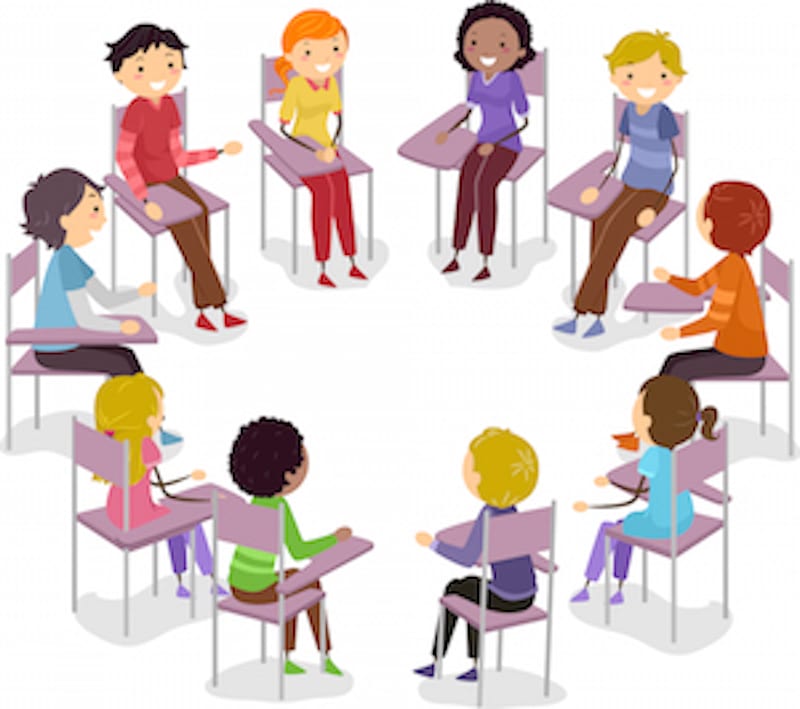
One key aspect of restorative justice practices is the use of circles or conferences. These involve bringing together those directly involved in an incident – such as students who were harmed or caused harm, along with teachers, parents, and other stakeholders – to engage in open communication facilitated by a trained mediator. Through this process, participants are encouraged to share their perspectives, listen actively to others’ experiences, express their feelings and needs, and collectively brainstorm ways to repair the harm done.
Restorative justice also emphasizes building understanding and empathy among individuals involved in conflicts. By encouraging active listening and fostering empathy towards one another’s experiences and emotions, restorative practices help cultivate a sense of interconnectedness within the school community. This can lead to greater respect for diversity, improved communication skills, and enhanced social-emotional learning among students.
Furthermore, research has shown that schools implementing restorative justice programs experience reductions in disciplinary incidents, suspensions/expulsions rates, bullying behaviors while promoting positive school climate outcomes. By addressing underlying causes of misconduct through dialogue rather than punishment alone; student engagement levels often rise leading them feeling more included within their academic environment which benefits overall educational success.
In conclusion; Restorative justice practices offer schools an alternative approach to discipline that prioritizes healing over punishment while fostering accountability,respectful communication,and positive relationships within the school community. As educators continue exploring innovative methods for creating safe,supportive learning environments; incorporating restorative justice principles into everyday practice can play a significant role empowering students with valuable life skills that extend beyond their time in school.
 Alternative Amie
Leave a comment