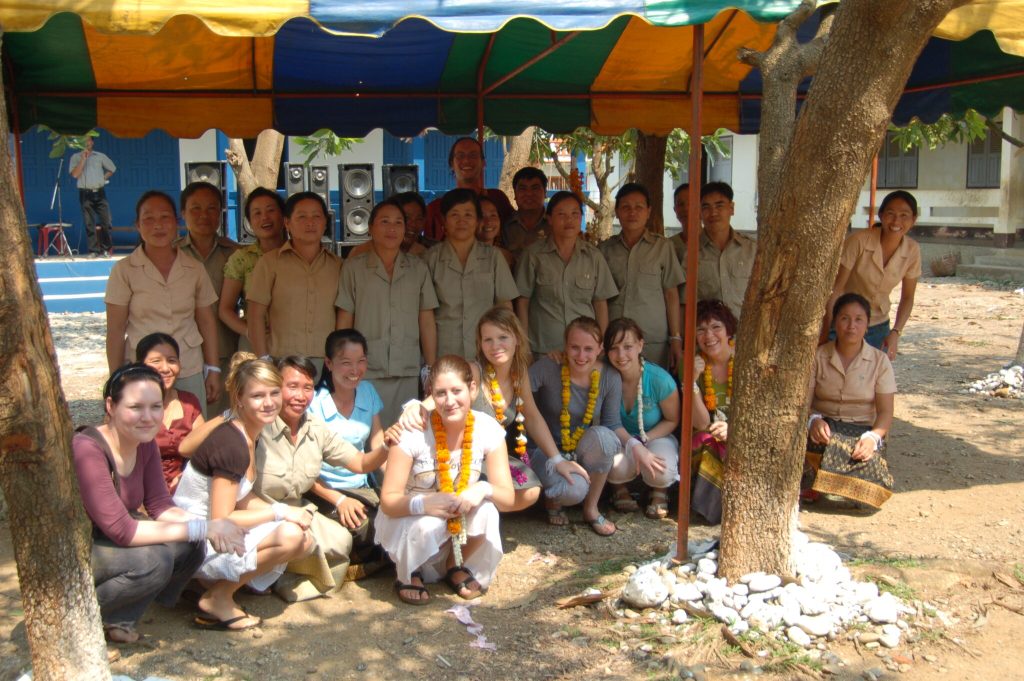
Volunteering abroad has become a popular choice for many individuals looking to make a meaningful impact while immersing themselves in a new culture. The idea of combining travel with volunteer work is indeed enticing, offering participants the opportunity to give back to communities in need while gaining valuable experiences and perspectives. However, it’s important to critically examine the practice of volunteering abroad to ensure that it is done ethically and effectively.
One of the key aspects to consider when evaluating volunteering abroad programs is the issue of voluntourism. Voluntourism refers to short-term volunteer opportunities that are often packaged as part of a vacation experience. While these programs may seem appealing on the surface, they can sometimes do more harm than good. Short-term volunteers who lack proper training or understanding of local contexts may inadvertently perpetuate harmful stereotypes or inadvertently disempower local communities by taking away jobs from locals or creating dependency on foreign aid.
To avoid falling into the trap of voluntourism, it’s essential for prospective volunteers to thoroughly research and vet organizations offering volunteer opportunities abroad. Look for programs that prioritize sustainability, community empowerment, and long-term impact over quick fixes or feel-good experiences. Reputable organizations should have clear goals and objectives for their projects, provide training and support for volunteers, and engage in ongoing communication with local stakeholders.
Another important factor to consider when volunteering abroad is cultural competency. Cultural competence involves having an awareness and understanding of one’s own cultural background as well as the ability to interact respectfully with people from different cultures. When volunteering in a foreign country, it’s crucial to approach interactions with humility, openness, and a willingness to learn from local community members.
Language skills can also play a significant role in determining the success of your volunteer experience abroad. While not always necessary depending on the nature of your work or location, being able to communicate in the local language can greatly enhance your ability to connect with community members and fully participate in project activities.
Furthermore, it’s essential for volunteers participating in international projects to critically reflect on their motivations for engaging in this type of work. Are you genuinely interested in making a positive difference and contributing meaningfully to a cause? Or are you seeking personal fulfillment or resume-boosting experiences? Being honest with yourself about your intentions can help guide your actions during your time abroad.
In addition to considering individual motivations, it’s crucial for volunteers to be aware of power dynamics at play within international development contexts. As outsiders coming into a community, volunteers must be mindful not only of their privilege but also how their presence may impact local dynamics. It’s important to listen carefully to community members’ needs and priorities rather than imposing external ideas or solutions onto them.
Moreover, before embarking on any volunteering opportunity abroad, take the time to educate yourself about potential ethical dilemmas that may arise during your experience. For example: How will you navigate situations where cultural norms clash with your personal values? What steps will you take if you witness instances of exploitation or injustice? Being prepared for such scenarios can help ensure that you respond thoughtfully and responsibly while overseas.
Lastly but certainly not least comes sustainability – arguably one of the most critical aspects when evaluating any form of assistance provided by foreigners within developing countries (or any region). Sustainable practices encompass long-term thinking; ensuring benefits continue after initial engagement ends; capacity building so locals gain skills/knowledge/abilities/resources without dependence; respect towards environment & culturally sensitive approaches among others things are imperative indicators here too!
In conclusion,…
 Alternative Amie
Leave a comment