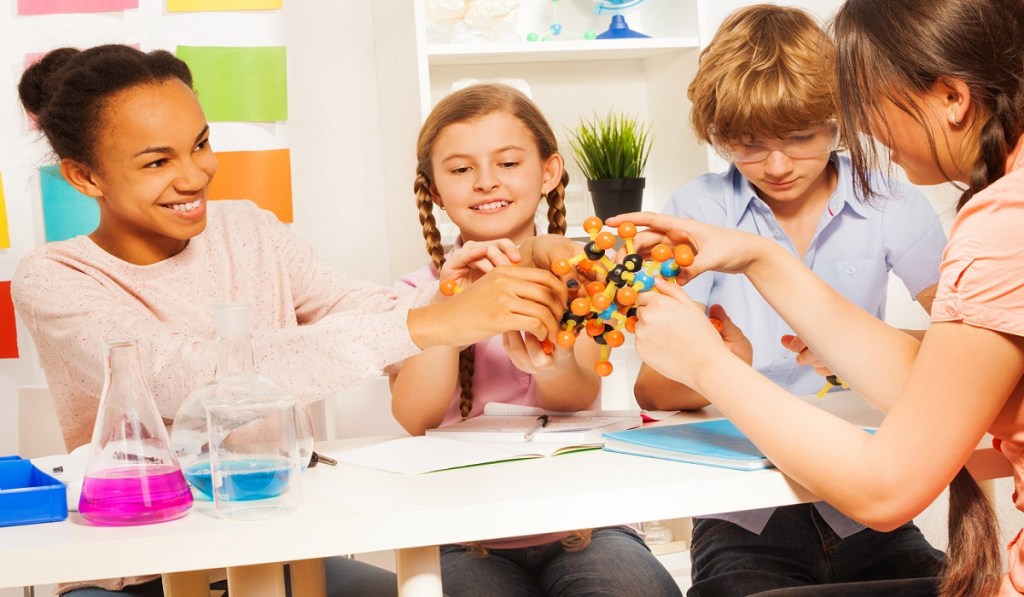
Project-based learning is a dynamic teaching method that allows students to engage in real-world projects and activities, fostering critical thinking, problem-solving skills, and creativity. Montessori education focuses on individualized instruction, hands-on learning materials, and mixed-age classrooms to promote independence and self-directed learning. Waldorf education emphasizes holistic development through arts integration, nature connection, and a focus on imagination and creativity.
Homeschooling provides families with the flexibility to tailor education to their child’s unique needs and interests while fostering strong parent-child relationships. Outdoor classrooms offer students the opportunity to learn in natural settings, promoting environmental awareness and physical activity. Experiential learning immerses students in hands-on experiences to deepen understanding and retention of concepts.
Student-centered curriculum places the learner at the center of their educational journey, allowing for personalized growth and exploration. Community involvement connects schools with local resources and fosters social responsibility among students. Social-emotional learning teaches essential life skills like empathy, communication, and stress management.
Arts integration infuses creative expression into all subjects, enhancing engagement and cognitive development. Technology in the classroom can enhance learning opportunities but should be used mindfully to avoid over-reliance or distraction. Environmental education instills an appreciation for nature conservation and sustainability practices.
Place-based education connects learning to local environments, cultures, and communities for meaningful context. Multi-age classrooms provide diverse social interactions and opportunities for peer mentoring. Inquiry-based learning encourages curiosity-driven exploration of topics through questioning.
Flexible scheduling accommodates varied student needs while promoting time management skills. Mindfulness practices help students develop emotional regulation techniques for improved well-being. Authentic assessments gauge student progress through performance tasks rather than traditional tests.
Parent involvement fosters strong partnerships between home and school for better support of student success in alternative schooling environments.
 Alternative Amie
Leave a comment