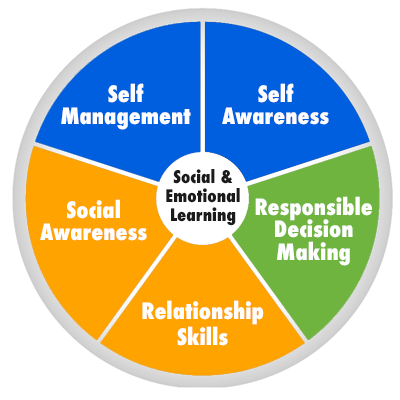
Social-emotional learning (SEL) is a critical component of education that focuses on developing students’ emotional intelligence, self-awareness, social awareness, relationship skills, and responsible decision-making abilities. In alternative schooling and education settings, where the emphasis is often on holistic development rather than just academic achievement, SEL plays a crucial role in helping students thrive both academically and personally.
Here are several reasons why incorporating social-emotional learning into alternative schooling programs can be highly beneficial for students:
1. **Promotes Positive Relationships:** Social-emotional learning helps students build healthy relationships with their peers and teachers. By enhancing their social awareness and empathy skills, students learn to communicate effectively, resolve conflicts peacefully, and collaborate successfully with others.
2. **Develops Self-Awareness:** Through SEL practices like self-reflection exercises and mindfulness activities, students in alternative schools can develop a better understanding of their emotions, strengths, weaknesses, values, and goals. This self-awareness is essential for personal growth and making informed decisions about academics and future pathways.
3. **Enhances Emotional Regulation:** Alternative schooling environments may cater to students who have experienced trauma or struggle with behavioral issues. Social-emotional learning equips these students with strategies to manage stress, regulate emotions constructively, cope with challenges effectively, and make positive choices even in difficult situations.
4. **Improves Academic Performance:** Research has shown that integrating SEL into the curriculum can lead to improved academic outcomes such as higher test scores, better attendance rates, increased motivation to learn, and enhanced problem-solving skills among students in alternative educational settings.
5. **Fosters Resilience:** Alternative school environments often serve diverse student populations facing various obstacles such as poverty or family instability. Social-emotional learning nurtures resilience by teaching students coping mechanisms for setbacks or failures while encouraging a growth mindset that promotes perseverance despite challenges.
6. **Prepares Students for Success Beyond School:** The social-emotional competencies acquired through alternative schooling experiences not only benefit students during their academic journey but also equip them with essential life skills for success in college or career paths post-graduation. These skills include effective communication abilities, adaptability in diverse settings,
7) Empowers Student Voice: Alternative schools aim to provide personalized learning experiences tailored to individual student needs; integrating social-emotional learning further empowers student voice by fostering self-advocacy skill development , promoting active participation in decision-making processes within the school community.
In conclusion,
incorporating social-emotional learning within alternative schooling programs has the potential to create a nurturing environment where all aspects of a student’s well-being are considered integral components of their educational journey towards success.
 Alternative Amie
Leave a comment