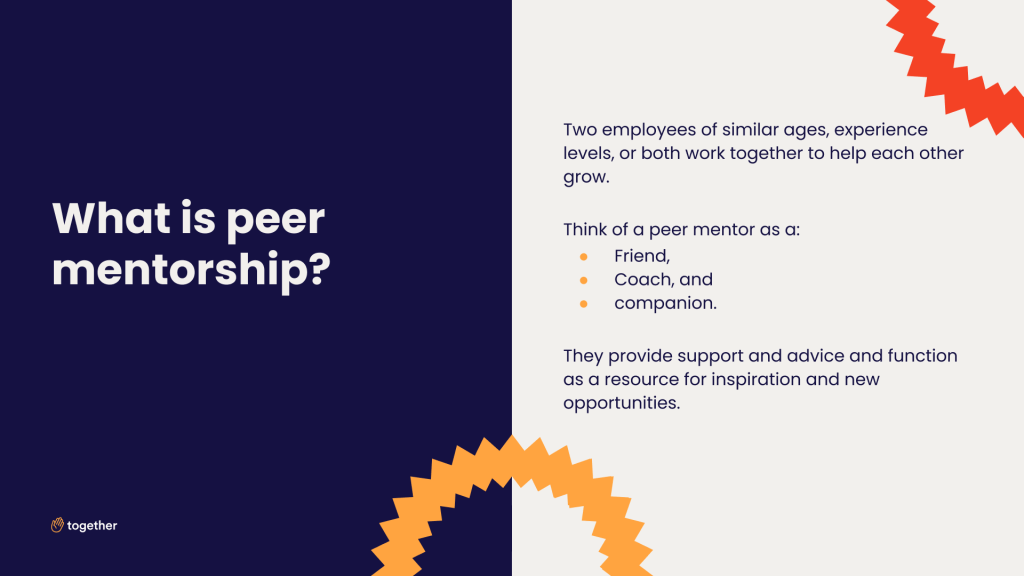
Peer mentoring programs have shown to be highly effective in supporting students facing a wide range of challenges, including those with learning disabilities. When it comes to students with learning disabilities, having a peer mentor can provide invaluable support and guidance. Peer mentors can help these students navigate their academic coursework, develop study strategies tailored to their needs, and build self-confidence.
For students with behavioral challenges, peer mentoring programs can offer a sense of belonging and understanding. Peer mentors can serve as positive role models and provide encouragement for these students to make positive choices and manage their behaviors effectively. By forming supportive relationships with their peers, students with behavioral challenges can feel more connected to their school community and improve their overall well-being.
LGBTQ+ students often face unique struggles related to identity acceptance and inclusion. Peer mentoring programs specifically designed for LGBTQ+ students create safe spaces where they can share experiences, seek advice from peers who may have similar backgrounds, and receive emotional support. These programs help foster a sense of community among LGBTQ+ students and promote acceptance within the school environment.
Students from low-income backgrounds may encounter obstacles that hinder their academic success. Peer mentoring programs tailored to these students can provide guidance on resources available for financial aid, scholarships, or other forms of assistance. Peer mentors can also offer encouragement and motivation for these students to pursue their educational goals despite financial limitations.
For students dealing with mental health issues, having a peer mentor who understands what they are going through is crucial. Peer mentors in this context can offer emotional support, listen without judgment, and encourage healthy coping mechanisms. By sharing personal experiences and coping strategies that have worked for them, peer mentors can help mentees navigate the challenges associated with mental health conditions.
Immigrant and refugee students often face language barriers, cultural adjustment issues, or feelings of isolation in a new country. Peer mentoring programs tailored to these populations pair them with peers who understand the immigrant experience firsthand. Through mentorship relationships based on empathy and cultural sensitivity, immigrant and refugee students receive practical guidance on navigating unfamiliar systems while feeling supported in their journey towards academic success.
Students in foster care may lack stable support systems outside of school due to placement changes or family disruptions. A peer mentor who provides consistent encouragement, companionship, and advocacy plays a vital role in promoting the academic achievement of these vulnerable youth.
Students living with chronic illnesses face unique challenges balancing academics alongside managing their health condition(s). A peer mentor who has navigated similar circumstances themselves offers valuable insights into self-care practices at school while providing emotional support during difficult times.
Homeless youth often struggle academically due to unstable living situations impacting attendance or focus on studies. In such cases,
peer mentoring initiatives connecting homeless youth with caring individuals who understand the complexities of homelessness not only help meet basic needs but also nurture personal growth leading towards educational success.
When it comes to supporting children coping
with having incarcerated family members
there’s an increase need
for compassion
Substance abuse issues amongst student populations require specialized intervention approaches aimed at both treatment & prevention efforts – here
peer-led initiatives play an important part by fostering trust & encouraging healthy choices over time.
Pregnant or parenting teens striving for educational attainment amidst added responsibilities benefit greatly from fellow student parents offering guidance on balancing childcare demands alongside academics.
Gifted & talented learners oftentimes find themselves socially isolated due
to accelerated learning paces; therefore,
a dedicated peer-mentoring program matching them up helps foster connections amongst intellectual equals leading toward enriched educational experiences.
Moreover,
students grappling physical disabilities
find solace
in knowing there’s someone like-minded rooting
for them every step along the way;
thus,
a specially designed peer-mentoring program becomes instrumental
in creating inclusive environments ensuring equal access
& opportunities across all facets
of education.
Neurodivergent learners benefit tremendously from structured social interactions aiding in skill development & confidence-building exercises essential for thriving both academically & personally; hence,
peer-mentoring setups catered
towards neurodiversity prove pivotal
In conclusion,
peer mentoring interventions crafted around diverse student groups cater not only towards addressing specific needs but also act as catalysts propelling holistic growth fostering inclusive communities within educational settings.
 Alternative Amie
Leave a comment