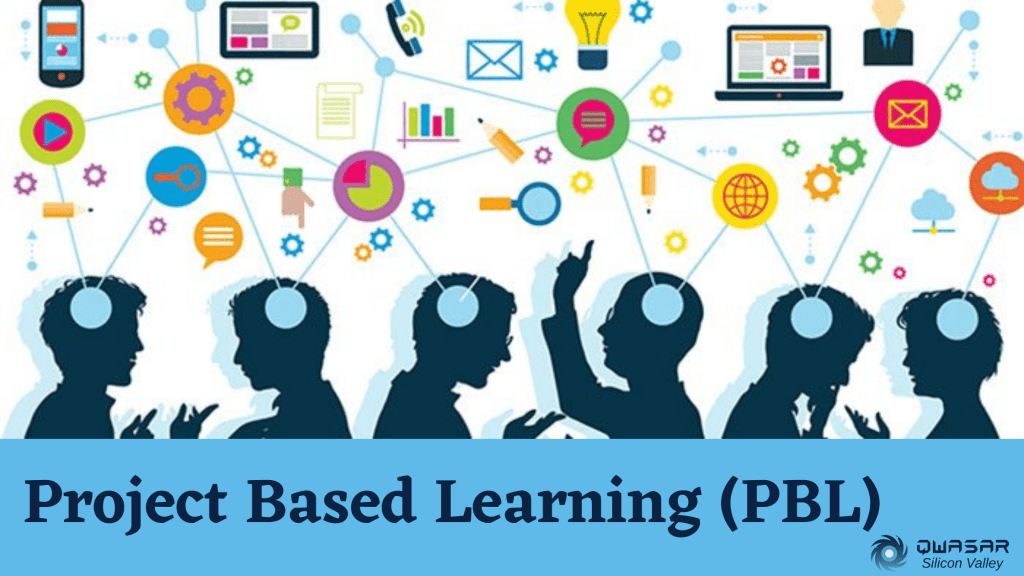
Project-based learning, also known as PBL, is a teaching method that encourages students to gain knowledge and skills by investigating and responding to engaging challenges or problems. This approach allows learners to explore real-world issues and develop solutions through hands-on projects. By working on these projects, students not only acquire academic knowledge but also enhance their critical thinking, problem-solving, collaboration, and communication skills.
Inquiry-based learning is another student-centered approach where educators facilitate learning by encouraging students to ask questions, seek answers, and construct meaning from their discoveries. This method promotes curiosity, exploration, and a deeper understanding of concepts as learners actively engage in the process of finding solutions through research and experimentation.
Personalized learning plans are individualized strategies tailored to meet each student’s unique needs, interests, strengths, and goals. By designing custom plans for learners, educators can optimize their educational experience and support them in achieving academic success while fostering personal growth.
Experiential learning involves immersing students in real-world experiences that allow them to apply theoretical knowledge in practical settings. Through internships, field trips, simulations, or other hands-on activities outside the classroom environment, learners can deepen their understanding of concepts while developing essential skills such as problem-solving under pressure or adapting to unpredictable situations.
Self-paced learning gives students the flexibility to progress at their own speed based on individual mastery of content. This approach empowers learners to take ownership of their education by setting goals and managing their time effectively while accessing resources tailored to their needs.
Online resources for self-directed learners offer a wealth of information accessible anytime and anywhere. Platforms like Khan Academy,, Coursera ,EDX ,Udemy , Skillshare provide a variety of courses,, tutorials ,,and interactive tools that cater to diverse interests .These resources enable self-directed learners’ access high-quality educational materials regardless geographical location limitations
Goal setting plays a crucial role in self-directed education as it helps students clarify objectives ,, prioritize tasks,and measure progress towards achievement .By establishing specific,, measurable ,,achievable ,, relevant ,and timely goals ,,learners can stay motivated focused throughout the educational journey .
Building supportive learning communities is essential for fostering collaboration,,, peer mentoring,and sharing ideas among individuals with common educational aspirations .By connecting with like-minded peers,,students can exchange insights,receive feedback,support one another’s growth,and create an enriching environment conducive personal development
Developing critical thinking skills equips students with analytical abilities evaluate information effectively solve complex problems make informed decisions.By honing this skill,self-directed learners become better equipped navigate challenges generate innovative solutions across various domains
Time management poses key challenge for self-directed learners juggling multiple responsibilities balancing competing priorities allocating sufficient time completing tasks meeting deadlines.This skill crucial success ensuring effective utilization limited time resource during educational pursuits
Reflective practice encourages individuals critically analyze past experiences identify lessons learned areas improvement.By reflecting regularly,self-directed learners gain valuable insights adapt strategies enhance performance achieve desired outcomes
Peer mentoring collaboration involve mutual exchange knowledge assistance between peers.Leveraging collective expertise experience fosters collaborative environments nurture growth development among individuals engaged mutual support system
Technology offers vast array tools platforms empower self-directed education enhancing accessibility interactivity personalized instruction.Through online courses apps virtual reality simulations technology enables immersive engaging educational experiences cater diverse preferences styles
Creativity innovation play vital roles transforming traditional models education into dynamic engaging experiences.Cultivating creativity fosters innovative thinking originality problem-solving abilities preparing learners thrive rapidly evolving global landscape
Balancing structure freedom paramount providing guidance autonomy.self-paced-learning environments require optimal balance providing necessary framework direction without impeding learner independence initiative striking equilibrium enhances motivation engagement retention among participants
Cultivating growth mindset encourages belief intelligence abilities capacities developed cultivated challenges setbacks.Growth-oriented perspective drives resilience persistence willingness learn adapt overcome obstacles promoting continuous improvement long-term success
Overcoming challenges inherent self-directed learning requires grit perseverance resilience.surmounting obstacles setbacks integral part developmental process building character fortitude tenacity facing uncertainties adversities inevitable journey pursuit knowledge personal growth
Nurturing intrinsic motivation entails fostering internal drive passion enthusiasm pursuing goals.Focusing intrinsic rewards satisfaction accomplishment sense purpose empowers individuals maintain momentum engagement throughout challenging demanding endeavors
Assessing evaluating self-directed projects involves determining alignment objectives outcomes assessing quality work identifying areas improvement refining strategies future endeavors.Ongoing assessment evaluation processes inform adjustments modifications optimize effectiveness efficiency project completion
Integrating real-world experiences curriculum bridges gap theory practice offering authentic contexts application acquired knowledge skills.Experiential elements enrich educational encounters stimulating intellectual curiosity deepening comprehension subject matter cultivating practical competencies readiness professional pursuits life endeavors integrated curricula maximize relevance engagement efficacy instructional delivery methods incorporating experiential components
 Alternative Amie
Leave a comment