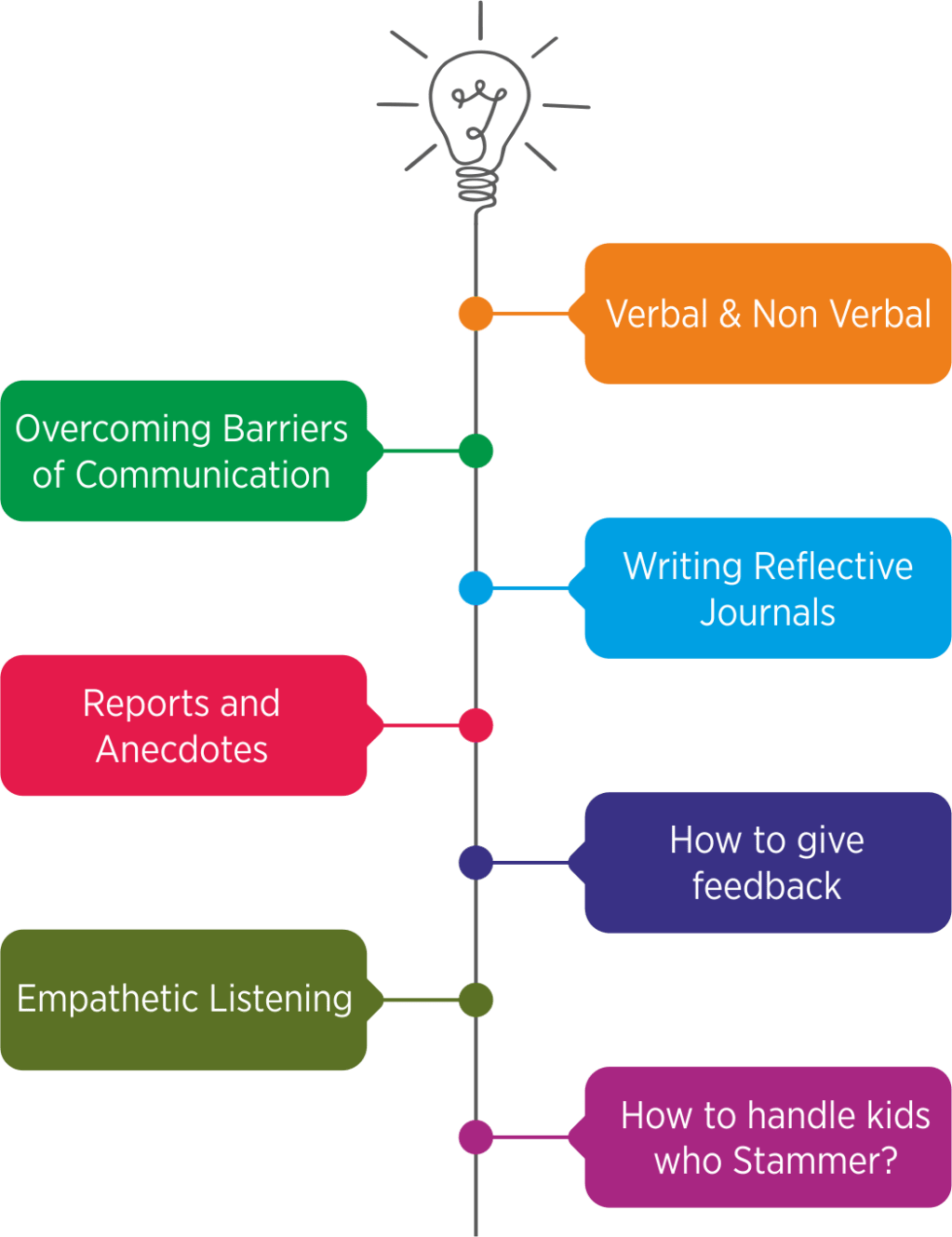
In the realm of alternative schooling and education, effective communication strategies are vital for creating a conducive learning environment, fostering positive relationships between educators, students, and parents, and ensuring the overall success of the educational experience. Communication goes beyond mere exchange of information; it involves active listening, empathy, clarity in conveying messages, and building trust among all stakeholders involved in the educational process.
Alternative schools often operate with unique structures and philosophies compared to traditional education settings. As such, implementing tailored communication strategies can play a crucial role in supporting these unconventional approaches to learning. In this article, we will explore various communication techniques that can be applied within alternative schooling environments to enhance collaboration, understanding, and engagement at all levels.
1. **Open and Transparent Communication**:
Openness and transparency form the foundation of effective communication within alternative education settings. It is essential for educators to maintain open lines of communication with students, parents or guardians, colleagues, and other stakeholders involved in the educational community.
Being transparent about school policies, decision-making processes, curriculum design principles, and behavioral expectations creates a sense of trust and fosters a collaborative atmosphere where everyone feels valued and respected. This transparency also extends to addressing challenges or conflicts openly rather than sweeping them under the rug.
2. **Active Listening**:
Active listening is a critical component of effective communication that is often overlooked but holds immense importance in alternative schooling environments. Educators must not only convey information clearly but also listen attentively to what students have to say.
By actively listening to students’ concerns, feedback, or ideas without judgment or interruption,
educators demonstrate respect for their perspectives while gaining valuable insights into their individual needs and learning styles. This practice helps build stronger teacher-student relationships based on mutual understanding and empathy.
3. **Two-Way Feedback Mechanisms**:
Establishing two-way feedback mechanisms within alternative schools allows for continuous dialogue between educators,
students,
and parents regarding various aspects of the educational experience.
Feedback should flow both ways – from teachers to students (formative assessments,
constructive criticism) as well as from students back to teachers (questions,
suggestions).
Additionally,
parents should be encouraged to provide feedback on their child’s progress,
school programs,
or any concerns they may have.
This reciprocal feedback loop promotes accountability,
improvement opportunities,and overall growth within the educational community.
4. **Utilizing Multiple Communication Channels**:
In today’s digital age,it is crucial for alternative schools
to leverage multiple communication channels
to ensure information reaches all stakeholders effectively.
Traditional methods such as face-to-face meetings
and written newsletters are still valuable;
however,digital platforms like email updates,social media groups,and online forums offer additional means
of reaching out
to a wider audience rapidly.
Educators can use these diverse channels strategically based on the nature of information being conveyed (e.g.,
urgent announcements,virtual events,classroom updates)
and recipients involved (e.g.,
students,faculty,parent associations).
This multi-channel approach enhances accessibility,collaboration,and engagement across different segments
5 . Empathy-Based Communication :
Empathy-based communication involves putting oneself in another person’s shoes,to understand their emotions,perspectives,challenges,and needs better.This approach plays an essential role in alternative schooling environments where diversity,inclusion,and individualized instruction are emphasized.Educators who practice empatheticcommunication foster positive relationships with learners by acknowledging their unique backgrounds,cultural differences,socio-emotional struggles,and academic aspirations.By demonstrating empathy towards student experiences,fears,hopes,challenges,and achievements ,teachers create safe spacesfor open dialogues,growth-oriented support systems.and personalizedlearning pathways tailoredto each learner’s strengthsand areasfor improvement.Concluding Remarks:Effectivecommunication liesatthe heartof successfulalternativeeducationstrategies.It servesasabridgeconnectingeducatorswithstudents.parents,colleagues.and broadercommunitymembersinmeaningfulways.Communicationis notaone-size-fits-allapproach;it requires adaptability.empathy.transparency.active listening.and intentionalitytobenourishedandinfluentialwithinalternative schoolenvironments.Byimplementingtheaforementionedcommunicationstrategies.alternativeschoolscanfosterpositiveengagement.createmeaningfulconnections.promotecollaboration.buildtrust.encourageinnovation.supportdiverselearners.andcultivatea cultureofcontinuousgrowthandexcellenceinlearning.Throughopenchannels.ofcommunicationaltarnativeschooleducationalistscanco-createanenvironmentwhereeveryvoiceisheard.everyindividualissupportedandeveryachievementiscelebratedandasatresultdriveforwardthetraditionalboundariesofformal educationintoanewrealmofpossibilitiesandpotentialities
 Alternative Amie
Leave a comment