Speech therapy is a crucial form of intervention for individuals who face challenges in communication, language development, and speech articulation. Whether it’s due to developmental delays, neurological conditions, or other underlying issues, speech therapy can play a vital role in helping individuals improve their ability to communicate effectively.
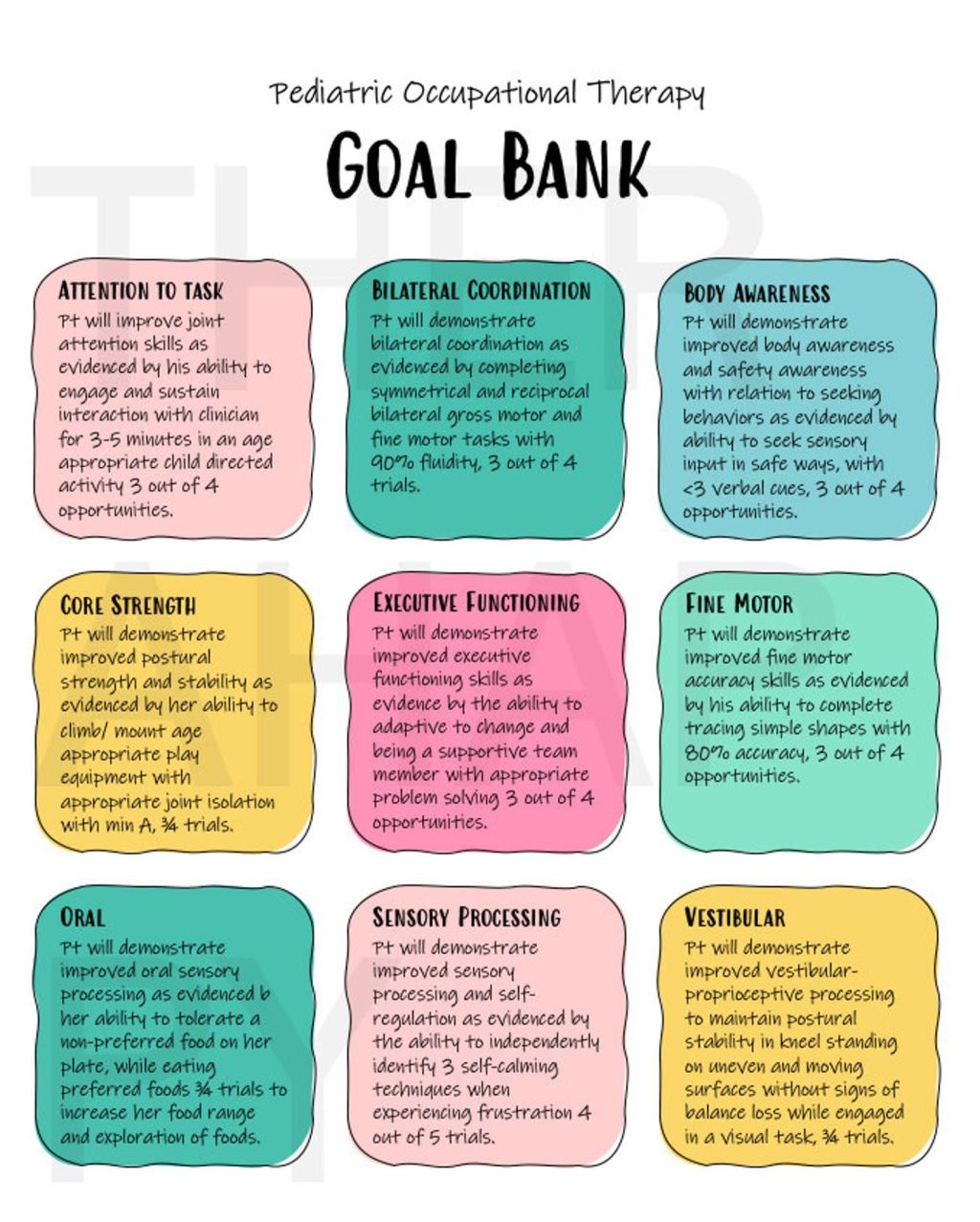
One of the key components of successful speech therapy is setting clear and achievable goals. These goals serve as benchmarks for progress and guide the therapy process towards desired outcomes. In this article, we will explore the importance of setting specific speech therapy goals and provide examples of different types of goals that therapists may work towards with their clients.
Why Setting Goals in Speech Therapy Is Important
Setting goals in speech therapy is essential for several reasons:
1. **Measurable Progress:** Goals provide a way to track and measure progress over time. By setting specific objectives, both the therapist and the individual receiving therapy can see tangible improvements as they work towards achieving those targets.
2. **Motivation:** Clear goals can be motivating for clients as they offer a sense of achievement when reached. Working towards specific milestones can help keep individuals engaged and committed to the therapy process.
3. **Focus:** Goals help focus the efforts of both the therapist and client on areas that need improvement. By identifying specific targets to work on, sessions can be structured more effectively to address those particular needs.
4. **Individualized Treatment:** Setting personalized goals ensures that each client’s unique needs are addressed during therapy sessions. By tailoring goals to match an individual’s abilities and challenges, therapists can create a more targeted treatment plan.
Examples of Speech Therapy Goals
Speech therapists may set various types of goals based on an individual’s specific needs and challenges. Here are some common examples across different areas of communication:
**Articulation:**
1. Goal: Improve clarity in producing sounds
– Objective: Increase correct production of target sounds (/r/, /s/, /l/) from 50% accuracy to 80% accuracy in single words.
2. Goal: Enhance intelligibility in connected speech
– Objective: Produce multisyllabic words with at least 90% accuracy during conversational tasks.
**Language Development:**
1. Goal: Expand vocabulary skills
– Objective: Learn five new vocabulary words per week related to academic subjects (e.g., science, math).
2. Goal: Improve understanding and use of grammar structures
– Objective: Demonstrate correct use of past tense verbs in sentences during storytelling activities at least three times per session.
**Fluency (Stuttering):**
1. Goal: Reduce instances of stuttering behaviors
– Objective: Decrease frequency of stuttering repetitions from five occurrences per minute to two occurrences per minute during structured speaking tasks.
2 .Goal : Increase fluency techniques utilization
-Objective : Use easy onset technique during conversation at least once every session
**Social Communication Skills**
1.Goal : Enhance non-verbal communication skills
Objectives : Maintain eye contact while talking with others for 5 minutes
In addition , these are some general principles that should be considered when establishing treatment objectives :
– Specificity : The goal should be clearly defined such as which sound or structure will be targeted .
– Measurability : Make sure you have concrete criteria by which you will measure whether your objective has been achieved .
– Realistic expectations : Set attainable targets within a reasonable timeframe based on individual capabilities .
– Functional relevance : Ensure that the goal directly contributes toward improving overall communicative effectiveness .
Overall , setting well-defined targets plays a critical role in guiding effective speech therapy interventions . By establishing clear objectives tailored to each individual’s needs , therapists can help their clients make meaningful strides toward improved communication skills .
 Alternative Amie
Leave a comment