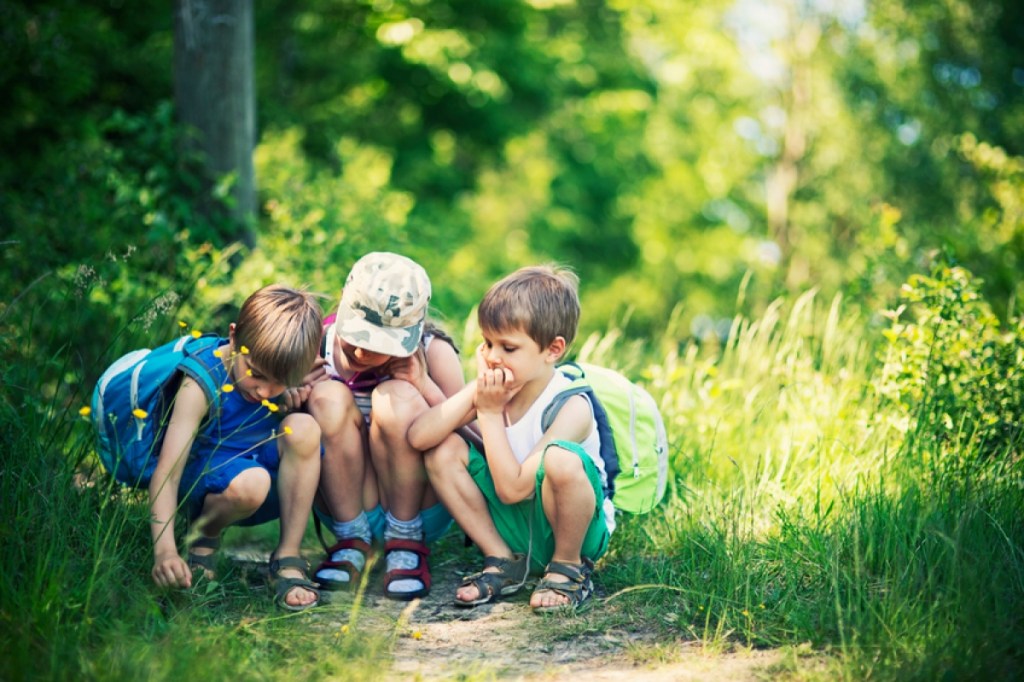
Nature study is a fundamental component of alternative education and schooling, offering students the opportunity to engage with the natural world in a hands-on, experiential way. By immersing themselves in nature, students can develop a deeper appreciation for the environment, cultivate important life skills, and foster a sense of stewardship towards the planet.
One of the key benefits of nature study is its ability to foster a sense of wonder and curiosity in students. When children are exposed to the beauty and complexity of the natural world, they are naturally inclined to ask questions and seek out answers. This curiosity can lead to a lifelong love of learning and exploration as students develop their observational skills and critical thinking abilities through direct interaction with nature.
In addition to sparking curiosity, nature study also provides numerous opportunities for interdisciplinary learning. Students can explore concepts from various subjects such as biology, ecology, geology, physics, mathematics, art, and literature through their interactions with nature. For example, studying plant growth patterns can involve elements of biology and mathematics; observing animal behavior can lead to discussions about ecology and environmental science; sketching landscapes or creating nature-inspired artwork can integrate art with natural history studies.
Furthermore, engaging in hands-on activities in nature allows students to apply theoretical knowledge gained from textbooks into real-world contexts. For instance, conducting field experiments on soil composition or water quality enables students to see how scientific principles work in practice. By actively participating in data collection and analysis processes outdoors, students not only deepen their understanding of scientific concepts but also hone their problem-solving skills and learn how to work collaboratively with peers.
Another significant benefit of incorporating nature study into alternative education is its potential to promote physical health and well-being among students. Spending time outdoors exposes children to fresh air, sunlight (which provides essential Vitamin D), physical activity (such as hiking or gardening), which all contribute positively towards overall health outcomes. Research has shown that connecting with nature reduces stress levels improves mood boosts creativity fosters empathy promotes mindfulness enhances concentration increases physical fitness lowers rates of obesity strengthens immune systems encourages healthy eating habits
Additionally fostering emotional intelligence by encouraging reflection introspection self-awareness empathy compassion connection gratitude presence
Moreover Nature based education contributes sustainable practices environmental awareness conservation efforts ecological literacy future generations protect preserve resources reduce carbon footprint combat climate change
By instilling an appreciation for nature at an early age through immersive experiences outdoor adventures interactive lessons alternative schools help shape environmentally conscious responsible citizens who value respect protect our planet’s precious ecosystems biodiversity multitude benefits offer current future generations alike
 Alternative Amie
Leave a comment