As we continue to explore alternative schooling and education options around the world, it’s important to shed light on the unique approach that African schools offer. Africa is a diverse continent with a rich tapestry of cultures, languages, and educational practices. In this article, we will delve into the innovative methods used in African schools that provide valuable insights for educators and policymakers globally.
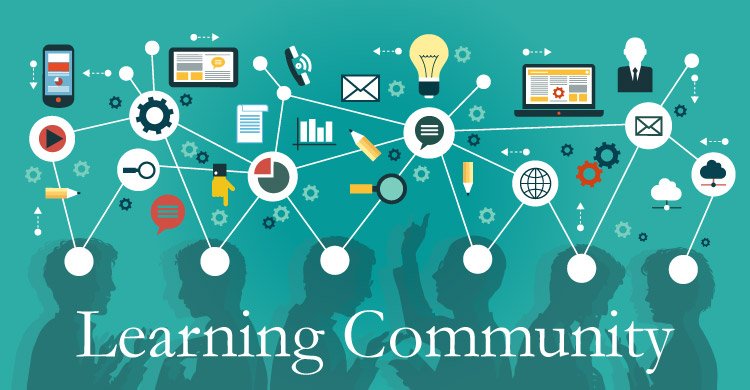
One of the key characteristics of African schools is their emphasis on community-based learning. Education in many African countries is not just seen as an individual endeavor but as a collective responsibility of the community. This communal approach to education fosters a sense of belonging and cooperation among students, teachers, parents, and other stakeholders. Schools often serve as hubs for social interaction, cultural exchange, and knowledge sharing beyond traditional classroom settings.
In addition to promoting community involvement in education, many African schools prioritize holistic development by incorporating practical skills training alongside academic subjects. This hands-on approach equips students with real-world abilities that are relevant to their local context and future career prospects. Vocational training programs are commonly integrated into school curricula to prepare students for various professions such as agriculture, carpentry, sewing, or entrepreneurship.
Furthermore, African schools often leverage indigenous knowledge systems to enrich their educational offerings. Traditional wisdom passed down through generations plays a vital role in shaping curriculum content and teaching methodologies. By blending modern pedagogy with ancient practices rooted in local culture, schools in Africa create dynamic learning environments that honor heritage while embracing innovation.
Another noteworthy aspect of African schools is their resilience in the face of challenges such as limited resources and infrastructure constraints. Despite facing adversity due to factors like poverty or political instability, many educators on the continent demonstrate remarkable creativity and resourcefulness in ensuring quality learning experiences for their students. From makeshift classrooms under trees to mobile libraries bringing books to remote villages, African schools exemplify perseverance and adaptability in pursuit of educational excellence.
Moreover, technology is increasingly being integrated into African classrooms to enhance teaching and learning outcomes. With the proliferation of mobile devices and internet connectivity across the continent, digital tools offer new opportunities for interactive instruction and global collaboration. E-learning platforms enable students to access educational resources online while virtual reality simulations bring distant concepts closer to home.
Beyond academic achievement alone, African schools place great importance on nurturing values such as empathy, respect for diversity, environmental stewardship,and social responsibility among learners.Incorporating moral education components into the curriculum helps instill ethical principles that guide students’ behavior both inside and outside school premises.This focus on character development goes hand-in-hand with academic rigor,to produce well-rounded individuals who are equipped not only with knowledge but also with integrityand compassion.
In conclusion,African schools embody a holistic approachto educationthat encompasses communal engagement,cultural relevance,sustainability,resilience,and tech-savvy innovation.These key attributes make them valuable modelsfor exploring alternativeeducational paradigmsand fosteringglobal dialogueon effective schoolingpracticesacross diverse contexts.Aswe celebratethe richnessand diversityofAfricaneducation,itbecomes clearthateachcontinenthasmuchto learnfromone anotherin forginga brighterfuturefor learnersaroundthe world.
 Alternative Amie
Leave a comment