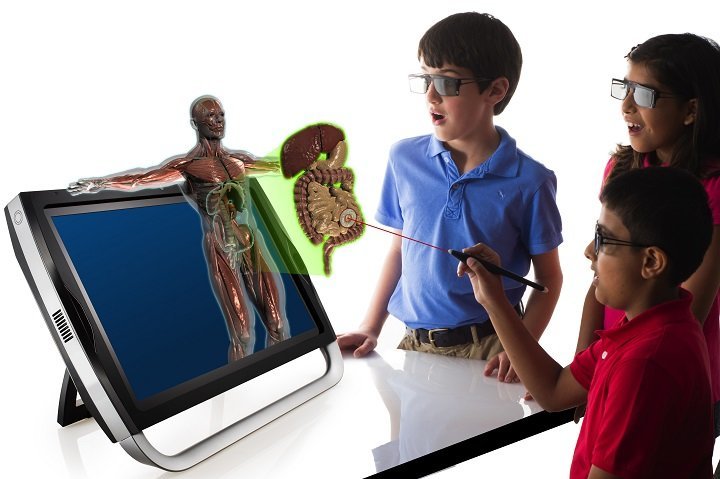
In recent years, technology has become an integral part of education, transforming the way students learn and teachers instruct. Technology integration in learning refers to the incorporation of various technological tools and resources into the educational environment to enhance teaching methods, facilitate personalized learning experiences, and prepare students for success in a digital world.
One of the primary benefits of technology integration in learning is its ability to cater to diverse learning styles. With access to a wide range of digital resources such as interactive videos, simulations, educational games, and online assessments, educators can create engaging and dynamic lessons that appeal to visual, auditory, kinesthetic learners alike. This personalized approach ensures that all students have the opportunity to learn in a way that suits their individual preferences and strengths.
Furthermore, technology integration in learning promotes collaboration among students and teachers. Online platforms like Google Classroom or Microsoft Teams enable seamless communication and information sharing between classmates and instructors. Students can collaborate on projects in real-time, provide feedback on each other’s work, and engage in discussions outside of traditional classroom hours. This collaborative environment fosters teamwork skills essential for success in today’s interconnected world.
Another significant advantage of incorporating technology into education is its ability to enhance student engagement. Interactive whiteboards, virtual reality simulations, or educational apps capture students’ attention by making learning more interactive and hands-on. By utilizing gamification elements like badges or rewards systems within educational software programs, teachers can motivate students to stay focused on their tasks while also promoting healthy competition among peers.
Moreover, technology integration in learning equips students with essential 21st-century skills necessary for future success. By using digital tools such as coding applications or multimedia editing software during their studies, students develop critical thinking abilities, creativity, problem-solving skills that are highly valued by employers across various industries. Additionally,the use of online research databases helps them cultivate information literacy skills crucial for navigating the vast amount of data available on the internet.
Incorporating technology into education also enables teachers to track student progress more efficiently through data analytics tools. By collecting real-time data on student performance,such as quiz scores or completion rates,t eachers can identify areas where individual students may need additional support or intervention.In turn,this allows educators t o adapt their instructional strategies accordingly,making targeted interventions based on specific needs rather than employing a one-size-fits-all approach.This personalized feedback loop supports student growth
However,it is importantto acknowledge potential challenges associated with integratingtechnologyintoeducation.One common concern isthe issueofaccessibilityandequity;not allstudentsmayhaveequalaccess tot echnologicalresourcesorhigh-speedinternetconnections at home.Thismeans somestudentsmightbeleftbehindif schoolsrelytoo heavilyon technologically-driveninstruction.Also,the rapid paceoftechnologicaladvancementsrequirescontinuousprofessionaldevelopmentfor teachers tomasternewtoolsandskills.Itisimperativeforeducationalinstitutions top rovideadequate trainingand supporttos tafftoensure effectiveintegrationoftechnologyintotheclassroom.Furthermore,data privacyandsecurityconcernsneedtobead dressedtocreateasafelearningenvironmentforteachersa ndstudentsalike,
Overall ,the benefits oft echnologyintegrationinlearning far outweighthechallengesitpresents.Byleveragingdigitaltoolsandresources,e ducatorscancreateanengaging,collaborative,andpersonalizedlearningexperiencefors tudents.Theuseoftechnologyenablesstudentstodevelopcriticalskillsforsuccessinthedigitalagewhileprovidingteacherswithvaluabledatainsightsforinformedinstructionaldecision-making.Technologyintegrationinlearningispavingthewayfort hefutureofeducationbyempoweringlearnersandeducatorswiththemostup-to-dateeducational methodologiesandsolutions
 Alternative Amie
Leave a comment