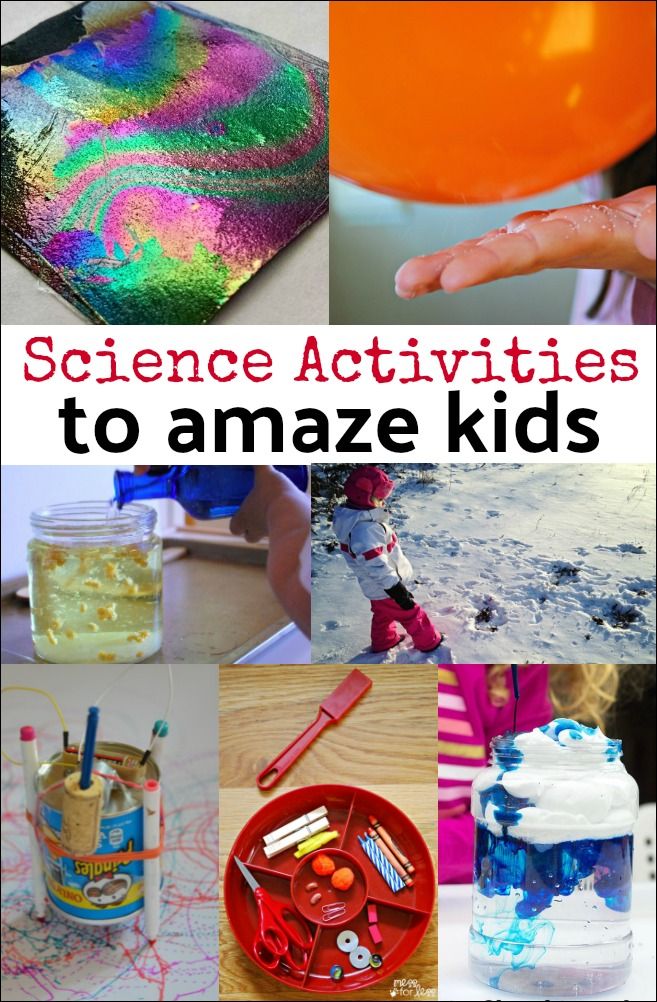
Science is a fascinating field that encompasses a wide range of subjects and disciplines, from biology and chemistry to physics and astronomy. In the world of alternative schooling and education, incorporating science into the curriculum can be an excellent way to engage students in hands-on learning experiences and foster a love of discovery. Here are 15 exciting scientific concepts and activities that can inspire curiosity and critical thinking in learners of all ages.
1. **The Scientific Method:** One of the fundamental principles of science is the scientific method, a systematic approach to investigating phenomena through observation, experimentation, and analysis. Teaching students how to formulate hypotheses, conduct experiments, collect data, and draw conclusions can help them develop critical thinking skills that are essential for scientific inquiry.
2. **Biodiversity:** Exploring biodiversity can open up a world of wonder for students as they learn about the variety of life forms on Earth. Activities such as creating a biodiversity inventory in their schoolyard or local community can help students appreciate the interconnectedness of living organisms and ecosystems.
3. **Chemical Reactions:** Introducing students to basic chemical reactions through hands-on experiments can ignite their interest in chemistry. Simple activities like mixing baking soda and vinegar to observe a fizzing reaction or testing pH levels in household substances can make abstract concepts more tangible.
4. **Solar System Exploration:** Delving into our solar system offers endless opportunities for discovery and exploration. Students can create scale models of planets, moons, and asteroids or use online simulations to understand celestial mechanics.
5. **Ecological Footprint Analysis:** Encouraging students to calculate their ecological footprint by considering their energy consumption, waste production, water usage, transportation habits, and dietary choices fosters awareness about sustainability issues.
6. **Genetics & Heredity:** Exploring genetics through activities such as Punnett square simulations or genetic trait surveys within families helps students grasp how traits are passed down from one generation to another.
7. **Renewable Energy Sources:** Investigating renewable energy sources like solar power, wind power, hydroelectricity, geothermal energy, and biofuels empowers students to think critically about sustainable solutions to energy challenges.
8. **Robotics & Programming:** Engaging with robotics kits or programming languages introduces students to engineering principles while developing problem-solving skills through hands-on projects like building robots or coding simulations.
9 .**Climate Change Studies:** Studying climate change provides an opportunity for interdisciplinary learning by integrating concepts from earth science with social studies topics related to environmental policy-making,
10 .**Microbiology Adventures:*** Discovering unseen worlds through microbiology investigations allows students to explore microbial diversity using microscopes or DIY agar plate experiments that cultivate bacteria samples from different environments
11 .**Space Exploration Challenges*: Offering space exploration challenges such as designing Martian habitats or planning lunar missions encourages creative problem solving while teaching students about aerospace engineering principles
12 .*Zoology Expeditions:* Organizing zoology expeditions where students observe animal behavior in natural habitats promotes wildlife conservation awareness while fostering observational skills
13 .*Oceanography Field Trips:* Conducting oceanography field trips exposes students to marine ecosystems firsthand as they collect water samples conduct beach cleanups monitor tide pools or participate in citizen science initiatives
14 .*Forensic Science Mysteries:* Solving forensic science mysteries engages student detective work by analyzing evidence conducting crime scene investigations interpreting data identifying suspects based on DNA fingerprinting techniques
15 . *Astrophotography Workshops:* Hosting astrophotography workshops enables budding astronomers capture images stars planets galaxies nebulae using telescopes cameras remote imaging software editing tools sharing results with peers online communities
Incorporating these 15 exciting scientific concepts into alternative schooling programs provides unique opportunities for experiential learning engagement creativity collaboration critical thinking skill development fostering lifelong appreciation curiosity scientific inquiry Alternative educators who integrate these ideas spark passion future scientists innovators leaders shaping tomorrow’s world through knowledge discovery innovation
 Alternative Amie
Leave a comment