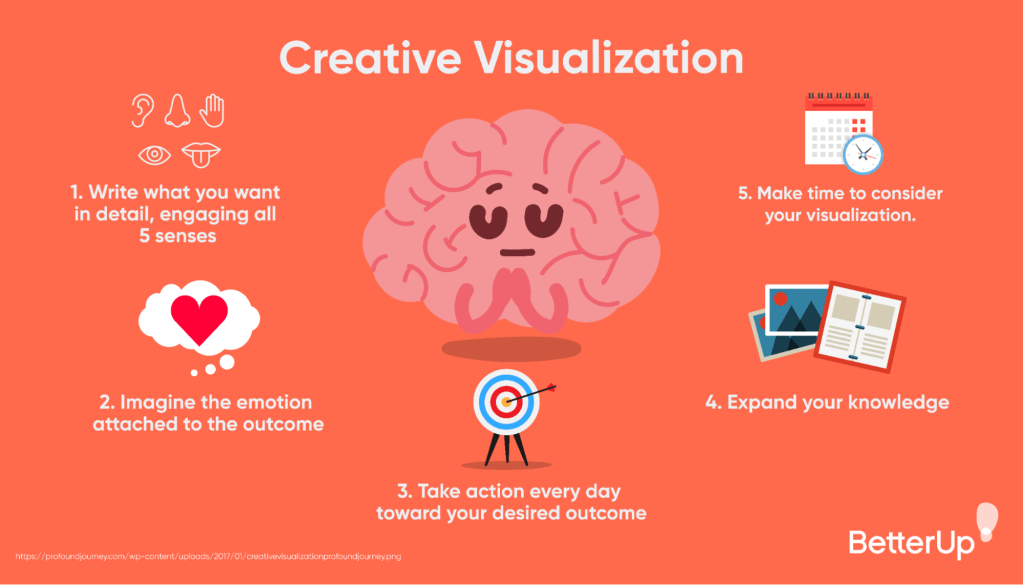
Visualization exercises have been utilized for centuries as a tool to enhance learning, creativity, and overall well-being. By engaging the mind’s eye and creating vivid mental images, individuals can tap into their inner resources and manifest desired outcomes. In the realm of education, visualization techniques are increasingly recognized for their ability to improve focus, memory retention, problem-solving skills, and emotional regulation.
The concept of visualization has its roots in ancient practices such as meditation and guided imagery. These techniques were used by ancient civilizations for spiritual purposes and healing rituals. Over time, visualization evolved into a powerful psychological tool that is now applied in various fields including sports performance, therapy, and education.
In recent years, alternative schooling approaches have embraced the use of visualization exercises to support students’ holistic development. By incorporating these practices into the curriculum, educators aim to cultivate students’ imagination, self-awareness, empathy, and resilience. Visualization exercises provide a creative outlet for learners to explore complex ideas and emotions in a safe space.
One common form of visualization exercise is guided imagery. In this practice, individuals are led through a series of verbal cues that encourage them to imagine specific scenarios or environments. For example, students may be asked to visualize themselves succeeding in an upcoming exam or project. Through this process, they can mentally rehearse their actions and responses in a controlled setting.
Another popular technique is creating vision boards or mind maps. These visual representations help individuals clarify their goals and aspirations by visually organizing their thoughts and desires. By regularly reviewing these visual aids, students can stay motivated and focused on achieving their objectives.
Visualization exercises can also be used to boost creativity and problem-solving skills. By envisioning different possibilities or scenarios in their minds’ eye, learners can expand their perspective and think outside the box. This imaginative approach encourages innovation and critical thinking – essential skills for navigating today’s rapidly changing world.
Furthermore, visualization techniques have been shown to have a positive impact on emotional well-being. By visualizing calming scenes or engaging in mindfulness practices like body scans or breathing exercises,
students can reduce stress levels
and promote relaxation response within themselves.
Moreover,
visualization exercises can help students develop empathy by encouraging them to step into someone else’s shoes
and see the world from different perspectives
Through this empathetic lens,
learners gain a deeper understanding
of others’
experiences
and build stronger interpersonal relationships.
Incorporating visualization exercises into daily routines at school can foster a sense of community among students while promoting social-emotional learning skills such as empathy,
self-regulation
And conflict resolution.
Educators play an essential role in guiding students through these practices effectively.
They must create a supportive environment where learners feel comfortable exploring their inner worlds
and sharing their experiences with others.
By modeling mindfulness techniques
And providing opportunities for reflection,
teachers can help students integrate visualization exercises seamlessly into their academic journey.
Ultimately,
the goal of incorporating visualization techniques into alternative schooling approaches is not only to enhance academic performance but also
to nurture holistic development
by fostering creativity,
empathy,
And resilience.
As we continue
to explore innovative ways
to support student growth
and well-being,
visualization exercises stand out
as valuable tools
that empower learners
to unlock
their full potential.
Whether it’s envisioning success in academics,
cultivating compassion towards others,
or sparking new ideas through creative thinking,
visualization holds immense promise as an accessible
and transformative practice that paves the way
for deep personal growth
And meaningful learning experiences.
In conclusion,
by embracing the power of visualization,
educators pave the way
for enriching educational journeys
that inspire curiosity,
foster connection,
and empower students
to thrive both academically
And personally.
Through intentional integration
of these transformative practices,
alternative schooling settings
can truly become nurturing environments
where every learner has
the opportunity
to flourish
beyond measure.
Visualizing success begins with taking that first step towards harnessing one’s inner visions – let us embark on this journey together.
 Alternative Amie
Leave a comment