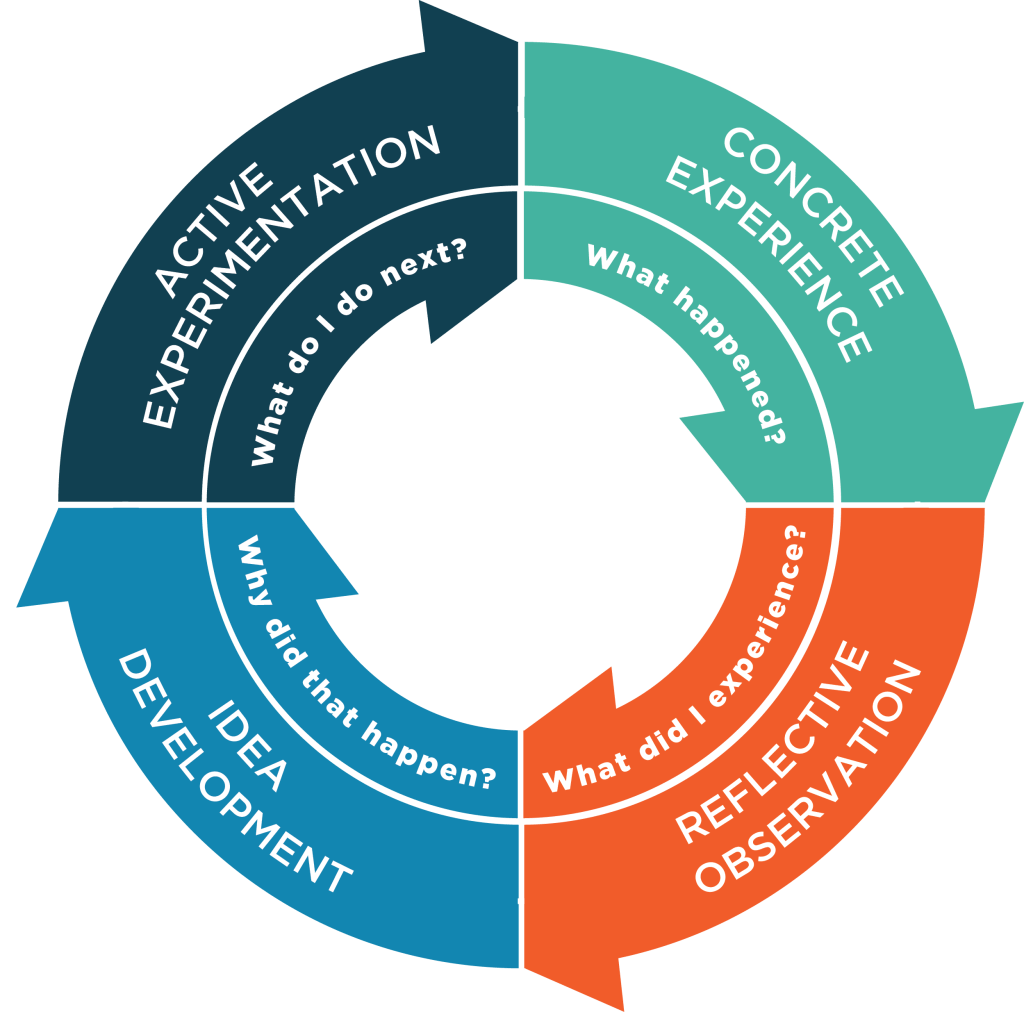
Experiential learning is a powerful educational approach that emphasizes hands-on, real-world experiences as a way to learn and grow. In contrast to traditional classroom-based learning, experiential learning encourages students to actively engage with the material through direct experience, reflection, and application. This dynamic approach not only enhances academic understanding but also fosters important life skills such as critical thinking, problem-solving, collaboration, and adaptability.
To delve deeper into the topic of experiential learning, we have gathered a panel of experts who will share their insights and experiences in utilizing this innovative educational method:
Panelist 1: Dr. Sarah Thompson – Educational Psychologist
Dr. Thompson has conducted extensive research on the benefits of experiential learning for students of all ages. She emphasizes the importance of connecting theory with practice to create meaningful learning experiences. According to Dr. Thompson, “Experiential learning allows students to make connections between what they are studying in the classroom and how it applies in real-life situations. This hands-on approach not only deepens understanding but also increases retention and engagement.”
Panelist 2: Mr. John Martinez – High School Teacher
As a high school teacher who incorporates experiential learning into his curriculum, Mr. Martinez has witnessed firsthand the transformative impact it can have on students’ academic performance and personal development. He believes that experiential learning provides opportunities for students to take ownership of their education and become active participants in the learning process.
“By engaging students in real-world projects and activities, they develop critical thinking skills that are essential for success in today’s rapidly changing world,” says Mr. Martinez. “Experiential learning challenges students to think creatively, work collaboratively, and adapt to new situations – skills that go beyond memorization and rote learning.”
Panelist 3: Ms. Emily Chen – Alternative Education Advocate
Ms. Chen is a passionate advocate for alternative education models that prioritize student-centered approaches such as experiential learning. She believes that traditional schooling often fails to meet the diverse needs of learners and can stifle creativity and curiosity.
“Experiential learning empowers students to explore their interests, discover their strengths, and cultivate a lifelong love for learning,” Ms. Chen explains. “By allowing students to learn by doing rather than simply listening passively, we can unlock their full potential and nurture a generation of confident individuals who are ready to face any challenge.”
In conclusion…
The panelists unanimously agree that experiential learning holds immense promise for revolutionizing education by providing a more holistic and engaging approach to teaching and learning.
By embracing hands-on experiences, reflective practices, group collaborations,
and real-world applications within educational settings,
students are better equipped with essential skills such as problem-solving,
communication abilities,
critical thinking capacities,and adaptability.
Furthermore,this shift from traditional rote memorization towards practical application cultivates an environment where curiosity thrivesand lifelong love for knowledge becomes instilled.
Ultimately,the goal is towitness each learner blossominto independent thinkerswho confidently navigate through life’s various challengeswith unwavering resilienceand unyielding determination.
 Alternative Amie
Leave a comment