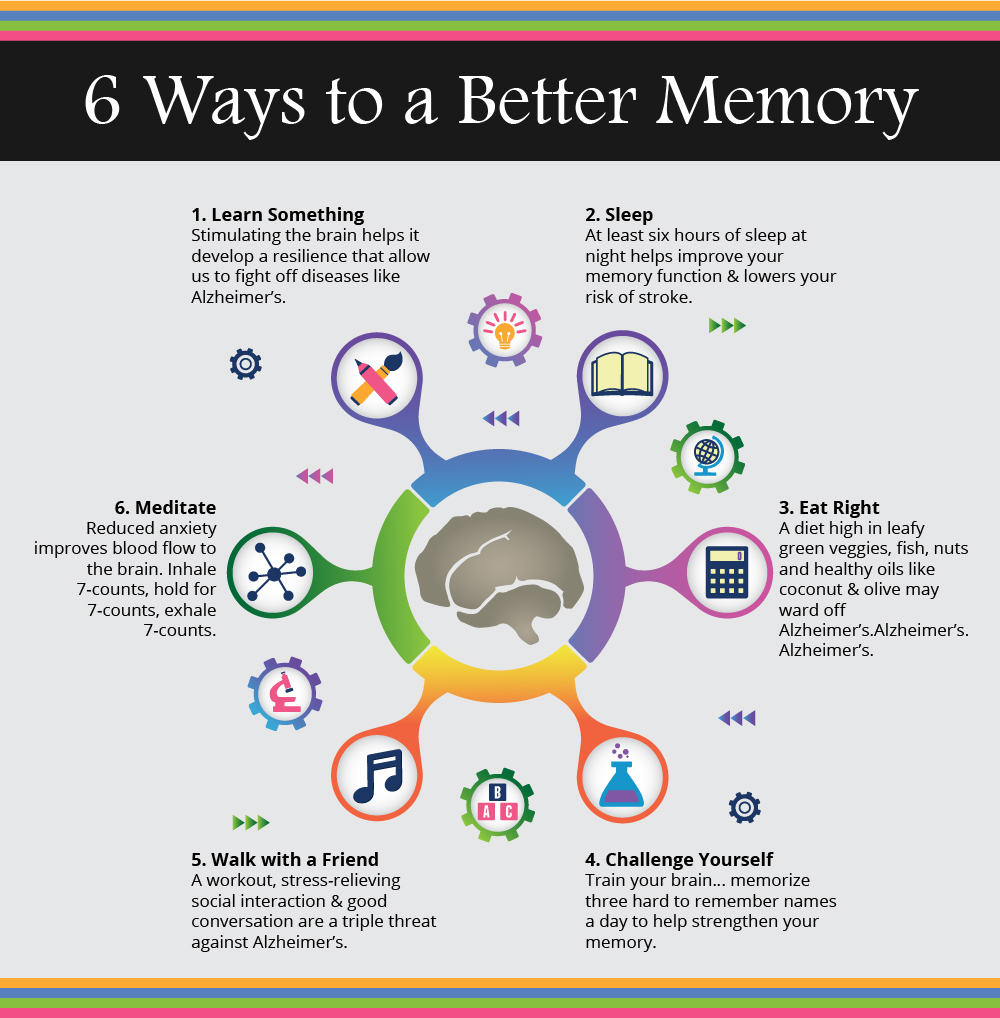
Memory techniques are essential tools for students looking to retain information effectively. One popular method is the mnemonic device, which involves creating associations between new information and something familiar. This could be through acronyms, visualization, or creating a story linking key points. Another technique is spaced repetition, where you review material at increasing intervals to strengthen memory retention over time.
Mind mapping is a visual tool that helps students organize thoughts and ideas in a non-linear way. By using keywords and connecting branches to show relationships between concepts, students can better understand and remember complex information. Mind maps can be particularly beneficial for visual learners who thrive on spatial organization.
Speed reading is a valuable skill that can significantly increase the amount of information absorbed in a shorter period. Techniques such as skimming, scanning, and eliminating subvocalization (mentally pronouncing words) can help improve reading speed without sacrificing comprehension.
Critical thinking skills are crucial for analyzing information effectively and making informed decisions. Students can develop these skills by asking probing questions, considering different perspectives, evaluating evidence, and recognizing biases in arguments.
Creative problem-solving encourages students to think outside the box when faced with challenges. Techniques like brainstorming, mind mapping, role-playing scenarios, and lateral thinking exercises can stimulate innovative solutions to problems.
Study habits tailored to different learning styles – visual learners benefit from using color coding systems, diagrams, charts; auditory learners may find recording lectures or discussing concepts with others helpful; kinesthetic learners learn best through hands-on experiences like experiments or real-life applications of theories.
Effective note-taking methods include outlining key points during lectures or readings, using symbols or abbreviations for quick reference later on; Cornell method divides notes into main ideas & details with space for reflections/questions; concept mapping visually connects related ideas for better understanding.
Test-taking strategies involve managing time wisely during exams by allocating enough time for each section; reviewing instructions carefully before starting; answering easy questions first then going back to harder ones if time allows; staying calm under pressure by taking deep breaths when feeling anxious.
Mindfulness practices such as meditation or deep breathing exercises can help students stay focused and reduce stress levels when studying or taking tests.
Brain breaks incorporating movement like stretching or short walks between study sessions can boost productivity by re-energizing the brain & improving concentration levels
Gamification in education involves integrating game elements like rewards/points into learning activities to motivate engagement & enhance student interest
Building confidence in students through positive reinforcement & constructive feedback fosters a growth mindset where they believe in their ability to learn & improve over time
Emotional intelligence development teaches students self-awareness/self-regulation skills needed to manage emotions effectively during challenging situations
Self-directed learning techniques empower students to take charge of their own education by setting goals/creating action plans based on personal interests/passions
Peer teaching/collaborative learning promotes teamwork/problem-solving abilities while enhancing communication/social skills among peers
 Alternative Amie
Leave a comment