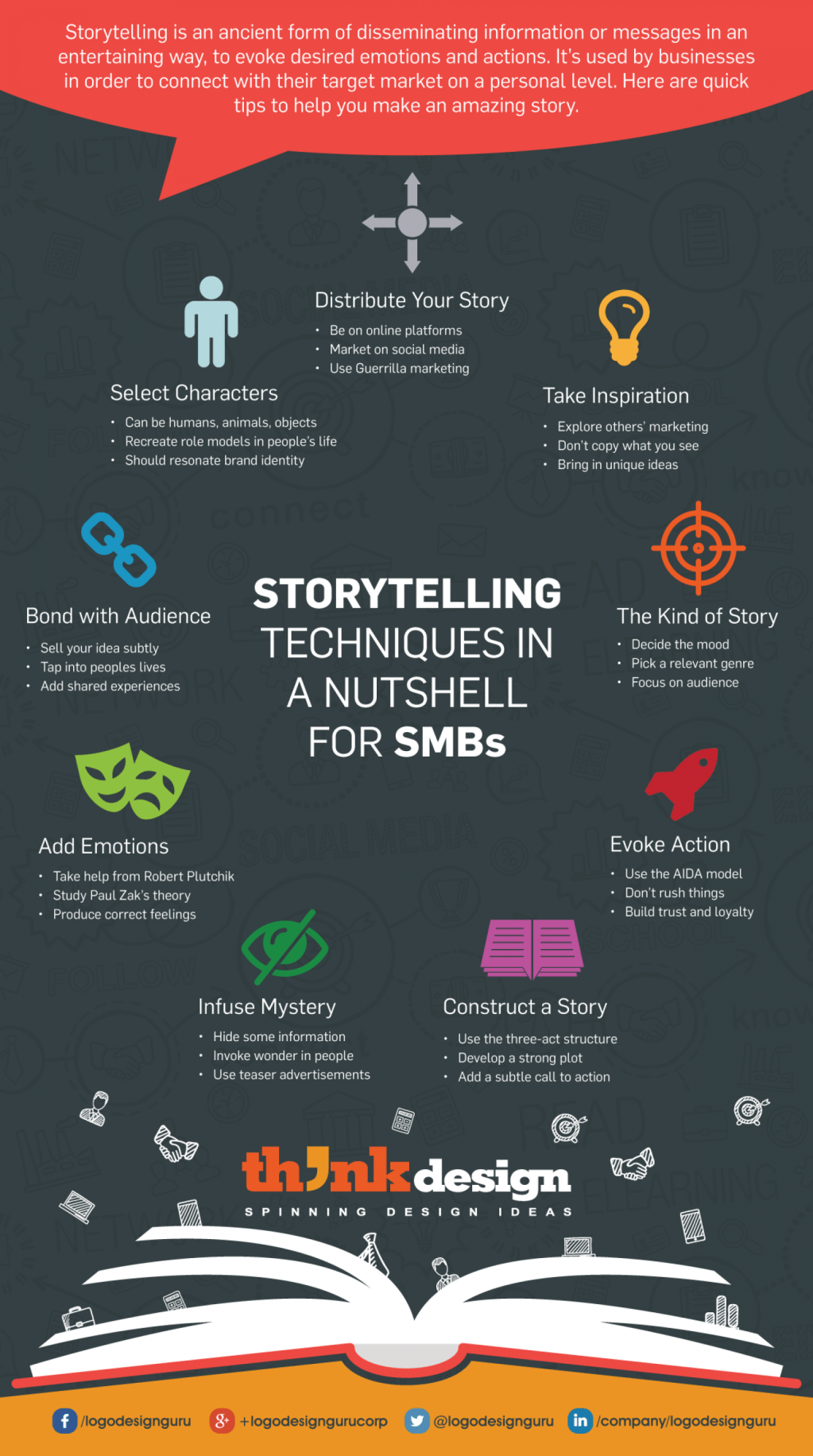
Personal narratives are powerful tools for self-expression and connection. They allow individuals to share their unique experiences, perspectives, and emotions with others. Collaborative storytelling takes this idea a step further by bringing people together to create a shared narrative. This process can foster empathy, understanding, and mutual respect among participants. In the digital age, storytelling has evolved to include various multimedia elements such as videos, animations, and interactive websites that enhance the audience’s engagement with the narrative.
Reflective narratives provide individuals with an opportunity to explore their thoughts and feelings in-depth. These stories often focus on personal growth, lessons learned from past experiences, or moments of realization. Therapeutic storytelling utilizes narratives as a tool for healing and self-discovery. By telling their stories and engaging in dialogue with trained therapists or counselors, individuals can gain insight into their emotions and behaviors while processing trauma or difficult life events.
Cultural narratives play a crucial role in preserving traditions, values, and histories within communities. Autobiographical narratives offer individuals a chance to document their life stories for future generations or personal reflection. Fictional narratives transport readers into imaginary worlds filled with characters and plots that spark creativity and imagination.
Storyboarding is a common technique used in narrative creation across various mediums such as film production, graphic novels, or video games. It helps creators visualize the sequence of events in their story before implementing it fully. Non-linear storytelling disrupts traditional chronological structures by presenting events out of order or from multiple perspectives.
Multimodal narratives combine different forms of media like text, images, sound effects to create immersive storytelling experiences for audiences. Oral storytelling traditions have been passed down through generations in many cultures worldwide as a way of preserving history while entertaining listeners.
Metaphors are powerful literary devices that add depth and meaning to narratives by drawing parallels between seemingly unrelated concepts or objects. Trauma-informed storytelling emphasizes sensitivity towards survivors’ experiences when sharing personal accounts of trauma.
Nature-based storytelling connects individuals with the natural world through narratives that celebrate its beauty or highlight environmental issues affecting our planet today.
Expressive writing encourages emotional release through written words; it can be therapeutic for those struggling with mental health issues like anxiety or depression.
Social justice narratives shed light on systemic injustices faced by marginalized communities while advocating for change through awareness-raising campaigns.
Identity exploration through stories allows individuals to examine different aspects of themselves – including race/ethnicity/gender/sexuality – within safe spaces conducive discussion about diversity inclusion
Integrating music into narratives enhances emotional resonance evoking specific moods atmospheres within scenes settings characters
Historical narrative analysis examines how stories shaped perception past events influenced present-day beliefs social norms culture
Community-based projects involve residents co-creating shared storylines reflect values aspirations concerns unique identities neighborhoods
Overall alternative schooling education platforms serve spaces where innovative approaches teaching learning thrive fostering creativity critical thinking collaboration skills among students educators alike
 Alternative Amie
Leave a comment