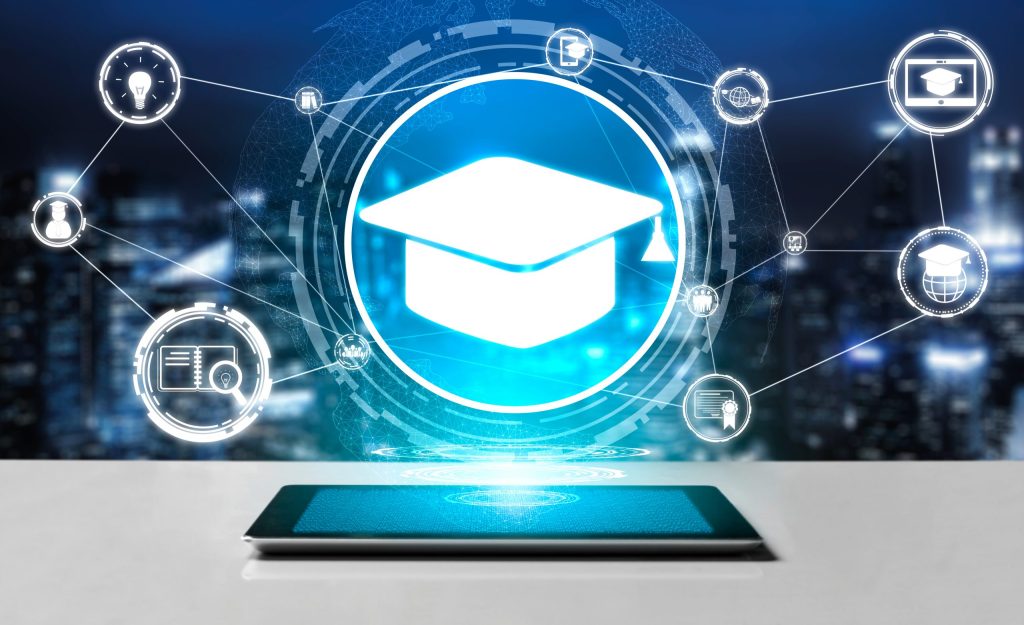
In today’s rapidly evolving world, technology plays a pivotal role in shaping how we learn and educate ourselves. From virtual classrooms to online resources, technology has revolutionized the way education is imparted and received. Alternative schooling and education have also embraced technology as a powerful tool to enhance learning experiences for students of all ages.
One of the key advantages of integrating technology into alternative schooling is its ability to provide personalized learning experiences. With the help of adaptive learning software and platforms, educators can tailor lesson plans according to each student’s individual needs and pace of learning. This level of customization ensures that students receive targeted instruction that caters to their strengths and weaknesses, ultimately leading to better academic outcomes.
Furthermore, technology enables access to a wealth of educational resources that may not be readily available in traditional classrooms. Online libraries, digital textbooks, educational apps, and interactive multimedia content offer students a diverse range of materials to explore and engage with. This vast repository of information empowers learners to delve deeper into subjects that interest them most and fosters a sense of curiosity and self-directed learning.
Virtual classrooms are another significant technological innovation that has gained traction in alternative education settings. Through video conferencing tools and online collaboration platforms, students can participate in live classes, interact with peers from around the world, and engage with instructors in real-time – all from the comfort of their homes. Virtual classrooms break down geographical barriers and create opportunities for global connections, enabling students to broaden their perspectives and cultural awareness.
Moreover, technology facilitates experiential learning through simulations and virtual reality (VR) experiences. These immersive technologies allow students to step into simulated environments where they can practice real-world skills in a safe yet realistic setting. For example, medical students can perform virtual surgeries or science enthusiasts can conduct experiments without any physical constraints or risks involved.
In addition to enhancing academic learning experiences, technology also plays a crucial role in fostering creativity and innovation among students. Coding workshops, robotics clubs, 3D printing labs – these are just some examples of how technology can inspire young minds to think critically, problem-solve creatively, and collaborate effectively with others. By engaging with cutting-edge tools and technologies early on, students develop essential skills that are highly sought after in today’s rapidly changing job market.
Furthermore, online assessment tools enable educators to track student progress more efficiently than traditional methods would allow for. Automated grading systems save time for teachers while providing instant feedback for students on their performance levels which encourages continuous improvement efforts from both parties involved – making it easier than ever before! Technology also allows educators themselves access new forms professional development through webinars podcasts so they stay up-to-date latest advances within field giving them opportunity grow professionally alongside their pupils
Despite these numerous benefits afforded by tech-driven approaches alternative schooling there are also challenges associated with integrating technology seamless manner classroom settings One potential drawback is the risk over-reliance on devices may lead decreased social interaction amongst peers face-to-face communication skills could suffer result Additionally issues related privacy security must be carefully considered ensure that data remains protected at times Tech literacy among educators staff members equally important order successful implementation initiatives To address these concerns schools organizations must invest training programs continuous support ensure all stakeholders equipped necessary knowledge aptitude leverage effectively
In conclusion it evident that technology serves as powerful catalyst transforming landscape alternative schooling education Its ability personalize instruction provide access vast array resources facilitate collaborative experiences foster creativity critical thinking makes invaluable tool enhancing overall experience learners educators alike As we continue embrace embrace innovations advancements realm it imperative strike balance between harnessing power maintaining human touch core our educational endeavors Ultimately goal should empower individuals thrive thrive ever-evolving world ready face challenges future head-on empowered by knowledge skills acquired through dynamic fusion tech-based methodologies traditional pedagogical practices
 Alternative Amie
Leave a comment