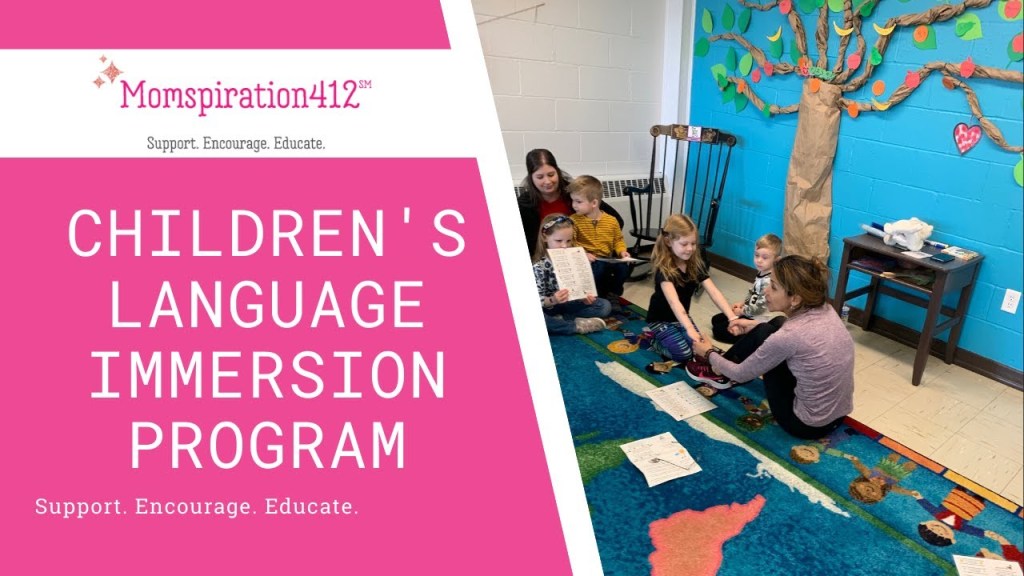
Language immersion programs have become increasingly popular in the field of education, offering a unique and effective way for students to learn a new language. These programs provide an immersive environment where students are surrounded by the target language throughout their daily activities, helping them develop proficiency quickly and effectively.
The concept of language immersion dates back to the 1960s when educators began experimenting with bilingual education methods. It has since evolved into various models, including full immersion, partial immersion, and two-way immersion programs. In a full immersion program, all instruction is conducted in the target language from kindergarten onwards. Partial immersion programs introduce the target language gradually alongside the native language.
Research has shown that students who participate in language immersion programs not only achieve high levels of proficiency in the target language but also demonstrate cognitive benefits such as improved problem-solving skills and creativity. These programs offer a culturally rich experience that goes beyond traditional classroom learning, making them a valuable option for those seeking alternative educational approaches.
 Alternative Amie
Leave a comment