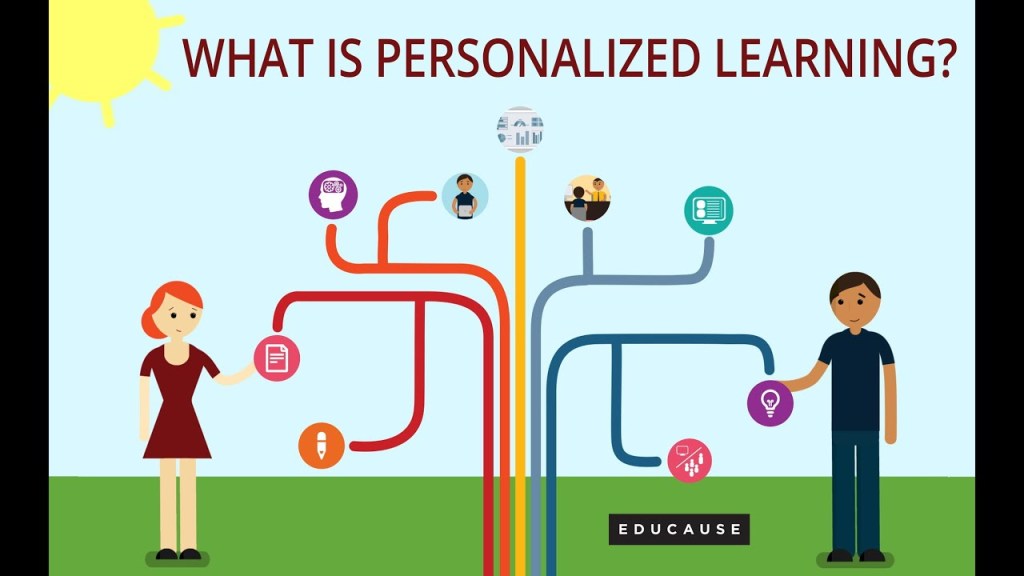
In the realm of education, there has been a growing recognition of the need for innovative and personalized approaches to learning that cater to the diverse needs and preferences of students. Traditional one-size-fits-all models are increasingly being challenged by alternative schooling methods that prioritize individualized learning experiences. This shift towards personalized education is fueled by a desire to cultivate critical thinking, creativity, and autonomy in learners, preparing them for success in an ever-evolving world.
One such approach that has gained traction in recent years is project-based learning (PBL). PBL engages students in hands-on projects that require them to investigate real-world problems, collaborate with peers, and present their findings. By working on projects that have relevance outside the classroom, students develop essential skills such as problem-solving, critical thinking, communication, and teamwork. This experiential approach not only deepens understanding but also fosters a sense of ownership over their own learning.
Gamification in education is another strategy that can make learning more engaging and interactive for students. By incorporating game elements such as points, badges, leaderboards, and rewards into educational activities, educators can motivate students to stay focused and actively participate in their learning journey. Gamified platforms provide immediate feedback on progress and achievements, which can boost student morale and encourage perseverance through challenges.
Peer-to-peer teaching is a valuable method for promoting collaborative learning environments where students take on the roles of both teacher and learner. Through peer tutoring or group projects, students can enhance their understanding of concepts by explaining them to others. This not only reinforces their own knowledge but also develops empathy, communication skills, and leadership qualities.
Individualized learning plans (ILPs) are essential tools for tailoring education to meet each student’s unique needs. By assessing learners’ strengths, weaknesses, interests, and goals, educators can create customized plans that guide instruction and assessment. ILPs empower students to take ownership of their learning by setting personal targets and tracking progress towards achieving them.
Self-assessment strategies play a crucial role in helping students reflect on their own learning process and outcomes. By encouraging self-reflection through journals or checklists, learners can evaluate their strengths and areas needing improvement independently. Self-assessment instills metacognitive skills that enable students to monitor their progress effectively while identifying strategies for growth.
Personalized feedback mechanisms are vital components of effective self-paced learning programs. Timely feedback provides learners with insights into areas requiring attention while celebrating achievements along the way. Whether delivered through written comments or audio recordings from teachers or peers – constructive feedback serves as a guiding light for continuous improvement.
Collaborative online platforms offer opportunities for self-paced learners to engage with course materials at their convenience while fostering connections with virtual classmates worldwide.Cultivating a growth mindset among students encourages resilience when facing challenges.Research shows individuals who believe abilities can be developed through dedication & hard work outperform those lacking this belief.Utilizing open educational resources (OER) ensures all learners have access 2 quality content regardless of financial constraints.Integrating mindfulness practices supports emotional well-being & enhances focus among self-directed learners.Building emotional intelligence equips individuals w/ social awareness & relationship management skills essential 4 personal growth.Balancing structure & flexibility enables self-paced programs 2 maintain academic rigor while accommodating diverse learner preferences.Leveraging technology facilitates personalized educational experiences tailored 2 individual needs.Encouraging creativity stimulates innovation among autonomous learners.Addressing social-emotional needs creates supportive environments where all individuals thrive.Promoting self-regulated skills empowers learners 2 take charge of their own education journey.Fostering community among self-paced participants cultivates collaboration & shared growth.Incorporating real-world applications into curriculum strengthens connections between theory & practice.Supporting diverse styles acknowledges individual differences enriching collective experiences.With these alternative methodologies shaping modern education landscapes,self-directed learners are empowered 2 navigate complexities confidently & embrace lifelong discovery.
 Alternative Amie
Leave a comment